
Review · AUSTRALIA
Noosa: National Park and Dolphin Watching Safari
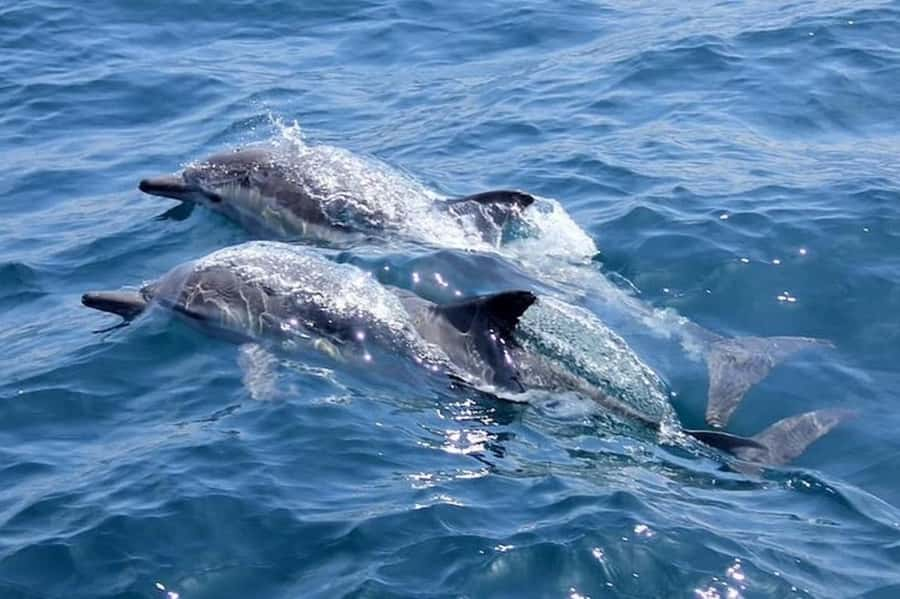
A live hydrophone turns this into more than a standard dolphin-spotting cruise. As you travel along Noosa’s coast, you may not only see dolphins near the boat, but also hear their calls beneath the surface and record those sounds on your phone. That extra sense of connection is the most unusual part of the trip.
I like the small-boat setting, which should make the outing feel more personal than a large sightseeing vessel. I also like that Peppi and Alby explain dolphin behaviour and share collected data with Southern Cross University, giving the trip a useful conservation purpose.
The main consideration is simple: dolphins are wild animals, so sightings can take time and are never guaranteed. You should also prepare for motion sickness if boats have caused trouble for you before, and keep an eye on the weather forecast because rough conditions can change the schedule.
Key points before you book
- Hear dolphins underwater: The onboard hydrophone lets you listen to dolphin calls and record them on your phone.
- Cruise beside Noosa National Park: The 90-minute route combines wildlife watching with broad coastal views.
- Travel on a small boat: The setting feels more intimate, though it can also mean more movement in a swell.
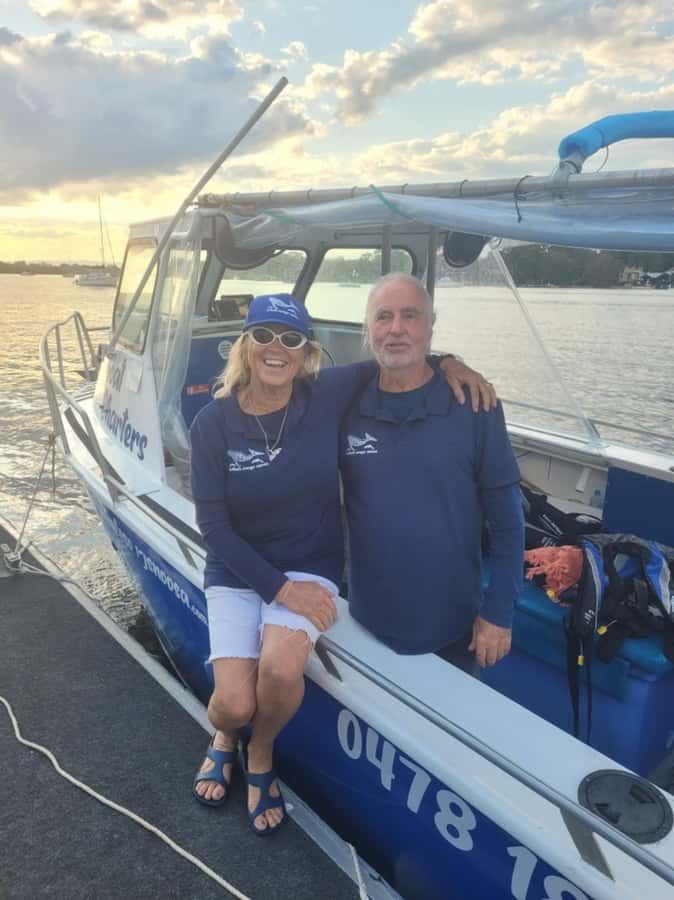
- Learn from Peppi and Alby: The guides explain dolphin communication, behaviour, and local marine life.
- Support local research: Sightings and other data are shared with Southern Cross University.
- Plan for changing conditions: Weather and swell can lead to a cancellation or postponement, with 24 hours notice.
Why the hydrophone changes the whole dolphin trip
Most wildlife cruises depend on your eyes. This one adds your ears.
A hydrophone is an underwater microphone. When the dolphins are close enough, you can listen to their calls through the boat’s sound system. You can also capture the audio on your mobile phone, creating a memory that is different from another set of dolphin photographs.
This matters because dolphins can be present without constantly breaking the surface. A dolphin may appear for a quick breath, slip below the boat, and vanish from view. Hearing its calls gives you something to notice during those quieter moments.
I would not book this expecting a full underwater concert. The dolphins are wild, and sound quality will depend on their distance and the conditions. Still, the hydrophone gives the trip a clear purpose beyond simply hoping an animal swims past.
The guides also use the sounds as a way to explain communication and behaviour. That makes the outing more useful for families, curious adults, and anyone who wants to understand what they are seeing instead of just pointing a camera at it.
More national park trips around Australia:
- AAA Noosa National Park Tour and Dolphin Safari Whalesongsnoosa
★ 5.0 · 5 reviews - Dolphin Kayak Tour & Beach 4X4 National Park Tour (Private)
★ 5.0 · 4 reviews - Pula: National Park Brijuni Island Visit & Dolphin Cruise
★ 4.5 · 788 reviews
Starting at the Big Pelican in Noosa
The meeting point is the iconic Big Pelican. After a welcome from the crew, you board the boat for the coastal cruise.
Hotel pickup and drop-off are not included, so you need to make your own way to the departure point. Build in enough time to arrive without rushing, especially if you are carrying a phone, camera, water, or a light jacket.
This is a short outing at 90 minutes, which is useful if you want to fit wildlife watching into a larger Noosa day. You are not committing to a half-day boat trip, and the duration should suit people who want time on the water without giving up an entire afternoon.
The boat is described as small. That is good news if you prefer a closer connection with the guides and a less commercial feel. The trade-off is that a small boat can respond more noticeably to waves and swell than a larger vessel. If you have had motion sickness before, take a suitable remedy before boarding rather than waiting until you feel unwell.
Cruising Noosa’s National Park coast
Once underway, the focus shifts to the coastline around Noosa National Park. The route also passes along a coast known for its World Surfing Reserve status, so the scenery is part of the main event, not just background while you search for dolphins.
You will have open views of the headland and shoreline from the water. Seeing the coast from a boat gives you a different angle from a walk or road trip, and the changing viewpoint helps keep the 90-minute trip varied.
The water is described as clear and blue, but conditions can change. Sun, wind, and swell affect both the comfort of the ride and how easy it is to spot animals. Bring sun protection and wear clothing that works for an exposed boat. Bottled water is included.
The coast is a strong reason to book this even if wildlife sightings are slow. You still get a scenic outing beside one of Noosa’s best-known natural areas. That said, this is not a dedicated national park walking tour. You will see the coast from the water rather than explore trails or land at a lookout.
Searching for Indo Pacific Bottlenose and Common Dolphins
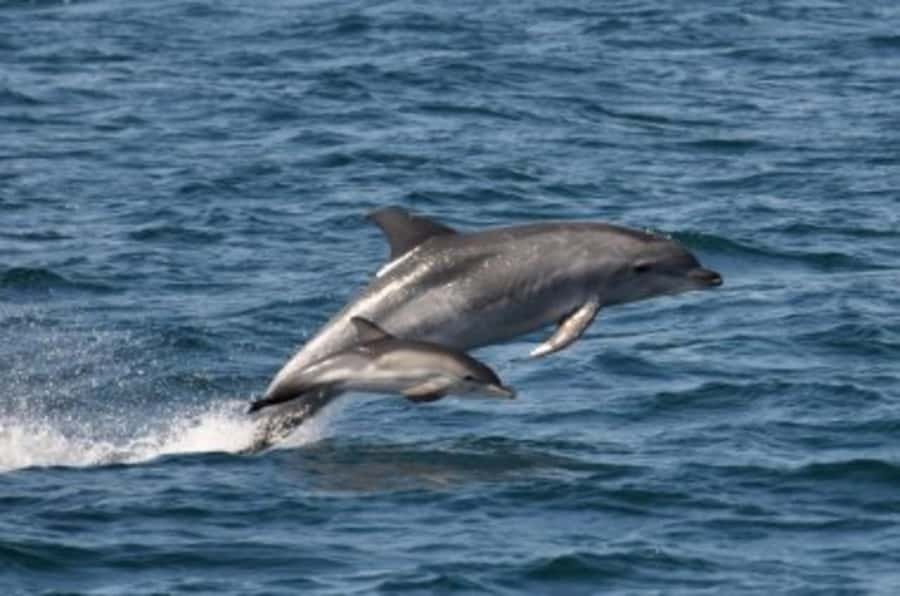
The main wildlife targets are Indo Pacific Bottlenose Dolphins and Common Dolphins. Both are described as curious and playful, but their behaviour can change from one outing to the next.
You may see a few dolphins moving close to the boat, or you may need to spend time searching. One outing involved a patient search followed by several dolphins approaching close enough to observe the boat while the people on board watched them. That is a useful expectation to set: the search is part of the experience, and the reward may come later.
When dolphins appear, give yourself time to watch their movement rather than focusing only on photographs. Look for how they travel, surface, and respond to one another. The guides can add context about what you are seeing, which helps turn a brief appearance into a better wildlife encounter.
There is no promise of a particular number of dolphins or a guaranteed close approach. That honesty is important. A responsible wildlife trip should allow the animals to choose the distance, and you should be ready for an outing where the scenery and education carry more of the experience.
The small boat can help you feel closer to the water, but close does not mean touching or feeding. The value is in watching natural behaviour without treating the animals like performers.
More dolphin watching tours in Australia:
- Moreton Island: Dolphin & Tangalooma Wrecks Snorkel Cruise
★ 4.5 · 1,039 reviews - Port Stephens: Dolphin Discovery Cruise
★ 4.4 · 926 reviews - Mandurah: Dolphin and Views Cruise
★ 4.6 · 920 reviews - Swim with Wild Dolphins Day Tour
★ 4.5 · 669 reviews
Peppi and Alby bring the subject to life
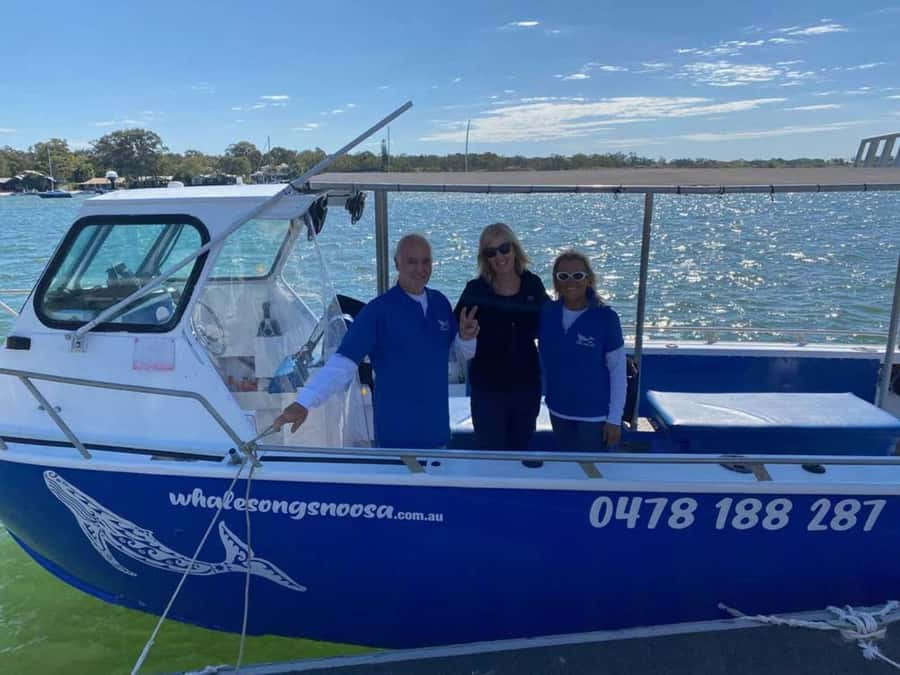
The strongest part of the tour is the guiding. Peppi and Alby are praised for their experience, clear explanations, and enthusiasm for the subject.
Their role is not just to point toward a fin. They explain dolphin behaviour and communication, helping you understand why the animals act as they do. That makes a difference when sightings are brief or spread out across the trip.
Peppi is specifically noted for sharing background information and interesting details during the cruise. The guides are also described as experienced with both the boat and the wildlife search, which should help you feel in capable hands.
I like the balance here. The trip offers facts, but it is not presented as a classroom session detached from the sea. You learn while watching the coastline, listening to the hydrophone, and waiting for wildlife to surface.
The language of the tour is English. If you want the most from the commentary, you should be comfortable following spoken English while the boat is moving.
Conservation that connects to the outing
The conservation element is practical rather than decorative. Information gathered during the experience is shared with Southern Cross University.
You are not simply watching dolphins and leaving with photographs. Your sightings can contribute to a broader record of local dolphin activity. The supplied information does not promise a particular research project or explain exactly how each piece of data is used, so I would treat this as a meaningful supporting role rather than the main reason to book.
That is still valuable. Wildlife tourism works best when it helps people understand the animals and supports better knowledge of the local population. The guides’ explanations and the data-sharing process give the cruise a purpose beyond entertainment.
The hydrophone fits well with this idea. Listening to dolphin calls encourages you to pay attention to communication and behaviour, not just count how many animals appear beside the boat.
What the 90 minutes feels like
The short duration keeps the outing manageable. You meet at the Big Pelican, receive a welcome, board the boat, and set out along the coast. The main portion is spent looking for dolphins, listening through the hydrophone, hearing commentary, and enjoying the Noosa views.
Because the animals are wild, the timing within those 90 minutes will vary. You might see dolphins soon after leaving, or you might spend more time scanning the water before they appear. The guides may need to adjust the search based on conditions and animal movement.
The compact format works well for several types of visitors:
- You have limited time in Noosa but want a marine wildlife outing.
- You prefer a focused trip instead of a full-day charter.
- You enjoy natural history and want explanations alongside the scenery.
- You are travelling with children who can manage a boat ride of 90 minutes.
- You want a special occasion activity with a coastal setting.
- You are curious about dolphin sounds, not just dolphin photographs.
It may be less suitable if you need guaranteed wildlife, dislike boat movement, or want a long snorkelling session. Snorkelling or a picnic may be possible as a way to personalise the trip, but the supplied details do not say that either is part of the standard $67 booking. Confirm that directly before planning around it.
Is $67 good value?
At $67 per person, this sits in a reasonable range for a guided wildlife cruise of 90 minutes, particularly because you get more than a simple ride along the coast.
The price includes the guided dolphin-watching trip, live commentary, use of the hydrophone, and bottled water. You also receive a coastal view of Noosa National Park and the World Surfing Reserve. The conservation data-sharing adds purpose, though it is not a direct financial saving or a guaranteed research encounter.
The small boat and specialist sound equipment are the main value points. A cheaper boat trip that only offers a general cruise might not provide the same focus on dolphin communication. On the other hand, the price is harder to justify if you want a guaranteed close sighting or a longer time on the water.
I would see the $67 as fair for a short, focused nature activity. You are paying for the guides’ attention, the chance to hear underwater calls, and access to a coastal view that you cannot get from land. You are not paying for certainty.
Weather, comfort, and practical limits
Weather and swell conditions can affect the trip. The operator gives 24 hours notice if the outing must be cancelled or postponed, which is helpful if you are planning other activities around it.
Wear comfortable clothing suited to an exposed boat and bring sun protection. Bottled water is included, but you may still want your own essentials for the day. A phone can be useful for recording the dolphin sounds, as the activity specifically allows you to capture them.
Motion sickness deserves serious attention. If you have never been on a boat, or if you have felt sick at sea before, take a sea sickness remedy before boarding. A small boat may give you a stronger sense of the water’s movement, especially when the swell rises.
The experience is not wheelchair accessible. Strollers and prams are allowed, but infant seats are unavailable, and infants must not sit on laps. These restrictions matter if you are planning a family outing with very young children.
There is no hotel pickup or drop-off. You need to arrange your own transport to the Big Pelican and back.
Free cancellation is available up to 24 hours before departure for a full refund. You can also reserve now and pay later, which helps if you are building a flexible Noosa schedule.
Who should book Whale Songs Noosa?
I would choose this for the person who wants a thoughtful wildlife outing rather than a quick photo stop. The hydrophone gives it a clear point of difference, and the guides’ focus on dolphin behaviour makes the short trip feel purposeful.
Families can enjoy the mix of animals, sound, and scenery, provided children can handle the boat and the weather is suitable. Couples and solo visitors may appreciate the small-boat atmosphere and the chance to record dolphin calls as a keepsake.
It is also a good fit for visitors who care about responsible wildlife tourism. The dolphins decide how close to come, and information from the outing is passed to Southern Cross University.
I would hesitate if your top priority is guaranteed close contact, a long time snorkelling, or a completely smooth ride. The experience depends on nature, and the sea may not cooperate.
Should you book this Noosa dolphin tour?
Book it if you want a compact coastal trip with real educational value, a small boat, and the unusual chance to hear dolphins through a hydrophone. The views of Noosa National Park help fill the time, and Peppi and Alby add useful detail to the wildlife search.
Go in with patience. You may need to look for the dolphins before they come close, and weather can change the plan. If you accept that wildlife follows its own schedule, $67 is a fair price for 90 minutes of scenery, sound, and marine life, with conservation support built into the outing.
FAQ
How long is the Whale Songs Noosa dolphin experience?
The guided tour lasts 90 minutes.
How much does the tour cost?
The price is $67 per person.
Where does the tour begin?
The experience begins at the Big Pelican in Noosa.
What dolphins might I see?
The tour looks for Indo Pacific Bottlenose Dolphins and Common Dolphins.
Can I hear the dolphins underwater?
Yes. An onboard hydrophone lets you listen to dolphin calls, and you can record the sounds on your mobile phone.
Is hotel pickup included?
No. Hotel pickup and drop-off are not included.
What happens if the weather is poor?
The tour depends on weather and swell conditions. If it must be cancelled or postponed, 24 hours notice is provided.
Just added on the water around Australia
- Private Port Stephens Day Trip from Sydney incl Dolphin Cruise★ 5.0 · 3 reviews
- Sydney: Port Stephens Sandboarding, Dunes & Dolphin Cruise option★ 3.5 · 5 reviews
- Port Stephens Private Tour From Sydney, with Dolphin/ Whale Cruise Options★ 5.0 · 8 reviews
- Rainbow Beach: Dolphin & Wildlife Ocean Kayak & Beach 4WD Tour★ 5.0 · 59 reviews
- Small Group Port Stephens + Dolphins + 4WD/sandboarding ex Sydney★ 4.5 · 18 reviews
- 4-Day Monkey Mia Dolphins Pink Lake Pinnacles Comfort-Level Tour★ 5.0 · 25 reviews
- Dolphin & Whale Cruise★ 5.0 · 23 reviews
- Noosa Ocean Adventures: Dolphins★ 4.5 · 107 reviews
Australia Dolphin Watching Tours, compared.
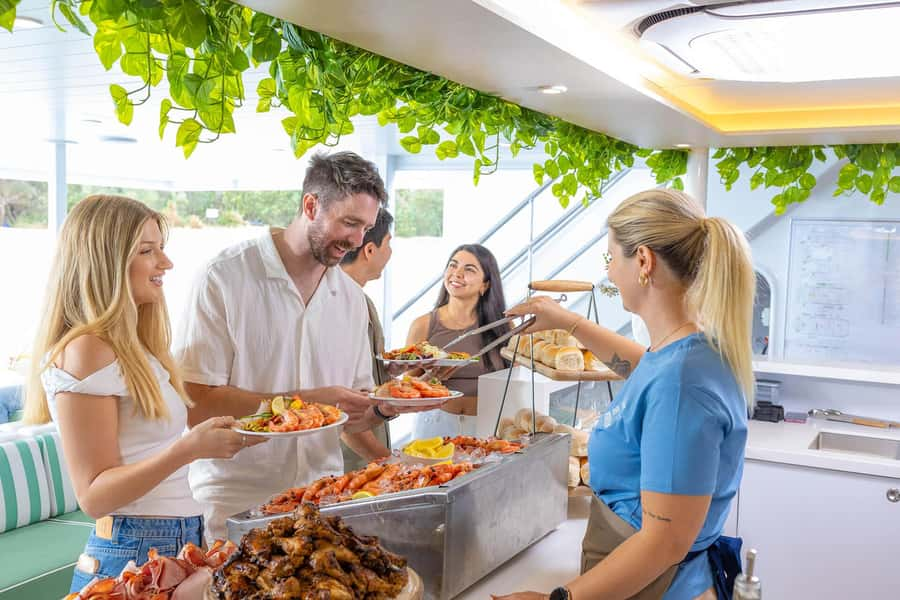
Dolphin & Tangalooma Wrecks Snorkel Cruise
Our review of this trip →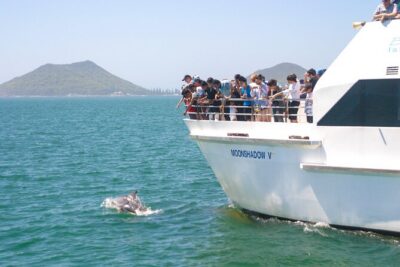
Port Stephens: Dolphin Discovery Cruise
Our review of this trip →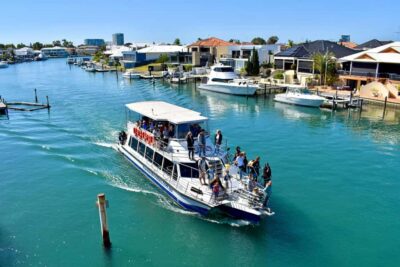
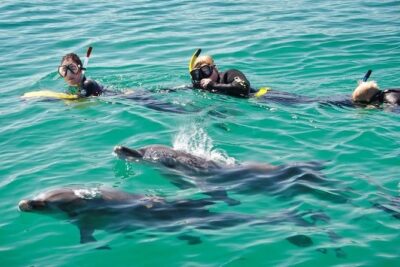
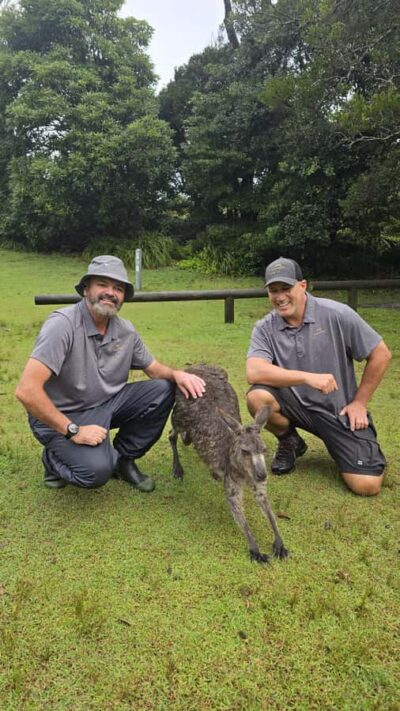
Jervis Bay Day Trip with Dolphins, Roos & Beach Time
Our review of this trip →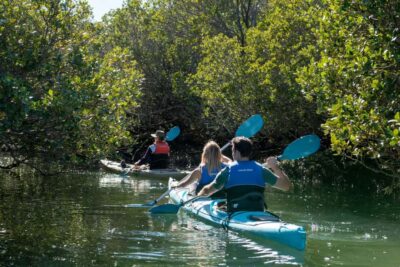
Adelaide: Dolphin Sanctuary Eco Kayaking Tour
Our review of this trip →
Snubfin Dolphin Eco Cruise from Broome
Our review of this trip →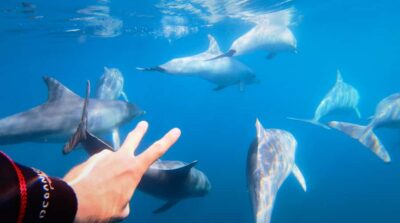
Adelaide: 4-Hour Swimming with Dolphins Experience
Our review of this trip →Browse the lists this tour appears in