
Review · AUSTRALIA
Mandurah Dolphin Cruise and Views
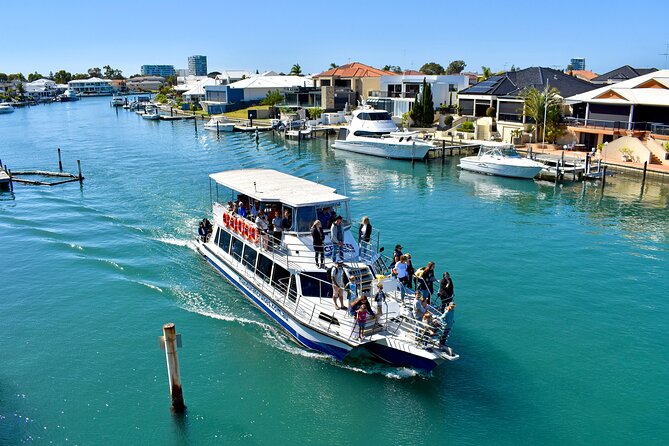
Mandurah’s wild dolphins are the star here, but the setting does much of the work. You cruise calm estuary water rather than heading far offshore, watching for Indo-Pacific bottlenose dolphins among wetlands, marinas, and canal-side homes. The dolphins stay wild, so their behavior feels genuine, not staged.
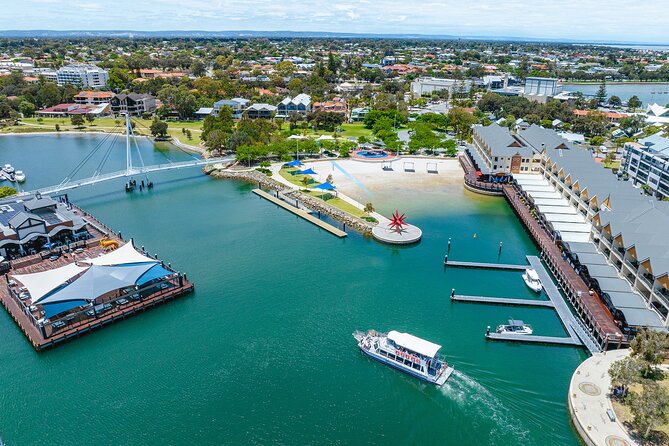
I like two things right away: the small maximum group of 20 gives you room to move around the boat, and the 75-minute route packs in more than dolphin spotting. You also get Creery Wetlands, birdlife, Mandjar Bay, the ocean marina, and the grand canals of Port Bouvard.
The trade-off is simple. Dolphins may appear beside the boat within minutes, or only near the end, and some departures may see fewer than others. If you miss them, the operator offers a free return trip, but you still need time in your schedule for a second attempt.
Key points to know before you book
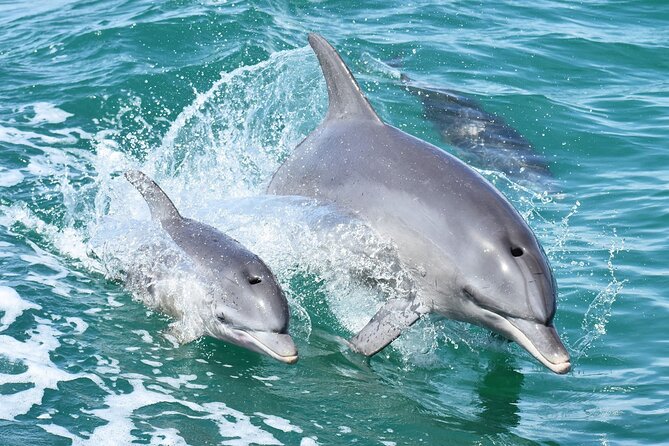
- Dolphins stay in the inland waterways: You do not need to head into open ocean to look for them.
- The route mixes wildlife with scenery: Expect wetlands and birdlife alongside marina views, luxury homes, and Mandurah’s canals.
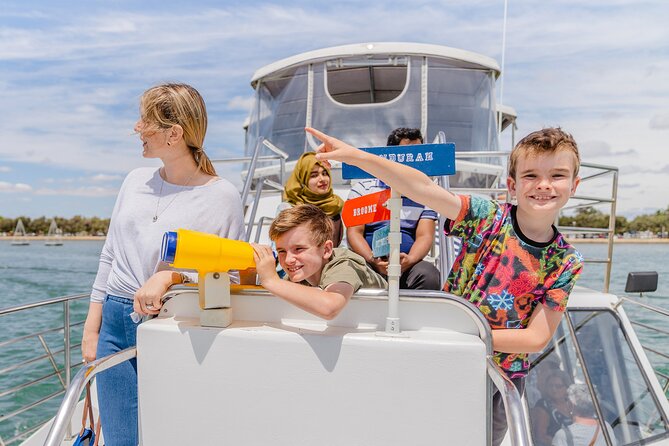
- The boat holds no more than 20 people: That makes it easier to move around and find a good viewing angle.
- Live commentary runs throughout the cruise: The guide covers dolphins, birds, local culture, and the Peel-Harvey water system.
- The cruise lasts about 75 minutes: It is long enough to feel like a proper outing without taking over your day.
- A missed sighting comes with a second chance: Dolphin sightings are guaranteed through a free return trip, not by controlling where wild animals appear.
Why Mandurah’s estuary makes a good dolphin trip
Mandurah sits less than an hour south of Perth by car, yet its waterways feel far removed from the city. The Peel Inlet and Mandurah Estuary form a broad inland system where dolphins can rest and feed in relatively calm water.
That matters for you because the cruise is not built around a rough ride into the Indian Ocean. Most of the action takes place inside sheltered waterways, where the boat can move at an easy pace and you can watch the banks, islands, birds, and water as well as the dolphins.
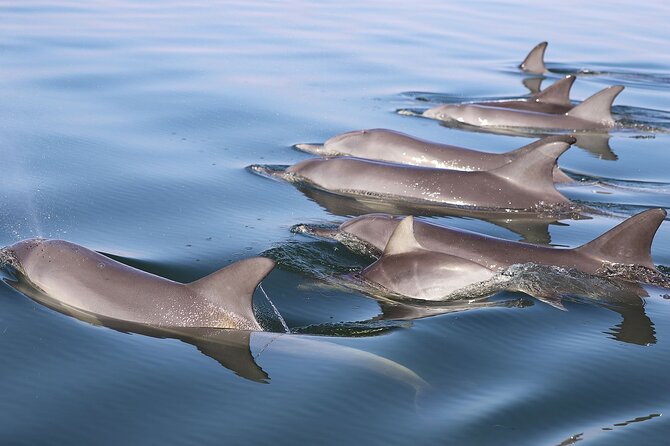
The local Indo-Pacific bottlenose dolphins are wild animals. They may swim beside the boat, ride in its wake, or leap clear of the surface. They may also keep their distance. The operator says more than 90 dolphins live in Mandurah’s inland waters, but that does not mean every animal will perform on cue.
I appreciate the honest arrangement: you get a sighting or a free trip back. That is a fairer promise than pretending nature can follow a timetable. It also gives you a practical reason to book early in your stay if dolphins are high on your list.
More Dolphin Watching Cruises in Australia
- Moreton Island: Dolphin & Tangalooma Wrecks Snorkel Cruise
★ 4.5 · 1,039 reviews - Port Stephens: Dolphin Discovery Cruise
★ 4.4 · 926 reviews - Mandurah: Dolphin and Views Cruise
★ 4.6 · 920 reviews
From Mandurah Cruises to Mandjar Bay
The cruise begins at Mandurah Cruises, 73 Mandurah Terrace, near the Mandurah Performing Arts Centre and Mandjar Bay. The boat returns to this same meeting point, so you do not need to arrange a separate pickup or find your way back from another marina.
The opening stretch introduces you to Mandurah’s built-up waterfront. You pass the world-class Ocean Marina and Dolphin Quay, a busy center for commercial and recreational boats. The water here is framed by docks, boats, and waterfront buildings, giving you a quick sense of how closely Mandurah’s town life is tied to the estuary.
Mandjar Bay is the central waterway on the route. It is a good early section for photographs because the boat gives you broad views across the bay and back toward Mandurah’s waterfront. The Performing Arts Centre, designed by Hames Sharley to work with the bay and Mandurah Bridge, is also part of this opening scene.
Do not expect every minute to be a dedicated dolphin search. The cruise is also a scenic orientation to Mandurah. If you enjoy hearing how a place works, the commentary adds value here by linking the water, town, bridges, boats, and surrounding region.
The canal homes and Port Bouvard Marina
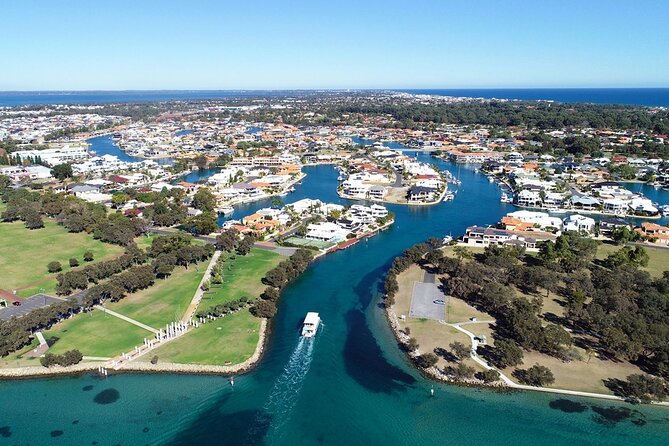
From the central waterways, the boat travels through canal areas lined with large waterfront homes. These properties are part of the attraction, though they will not appeal to everyone. Some people enjoy seeing the scale and design of the homes from the water. Others may find the house commentary takes attention away from wildlife.
That balance is worth knowing before you pay. If your only goal is close dolphin watching, the canal sections can feel like a detour. If you want a broad picture of Mandurah, they help show how the town has grown around its waterways.
The Port Bouvard Marina section is particularly scenic. The route passes through Port Mandurah’s canals, where homes sit right beside the water. The boat gives you a view that is impossible to get from the road, and the slow pace lets you take in the curves of the canals without rushing from one photo stop to the next.
The cruise does not promise a nonstop wildlife spectacle. One departure may find dolphins within five minutes of leaving the dock. Another may spend most of the trip looking at birds, water, and homes before spotting dolphins during the final ten minutes. Keep your camera ready, but do not spend the whole cruise staring at one patch of water.
Creery Wetlands and the birdlife
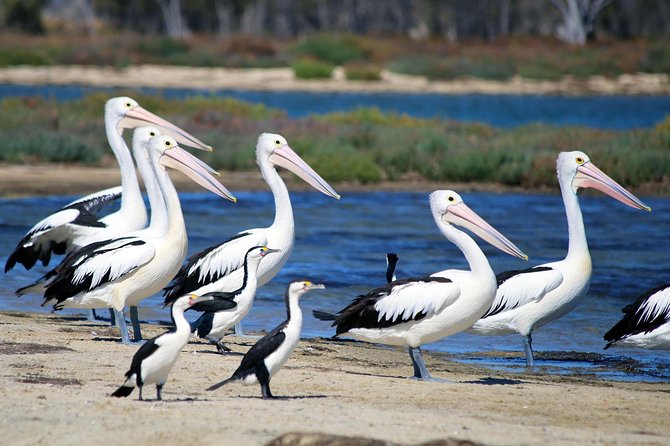
Creery Wetlands Nature Reserve is one of the more valuable parts of the route for anyone who likes birds or quiet natural areas. It is a RAMSAR-listed wetland, and the area supports about 130 bird species.
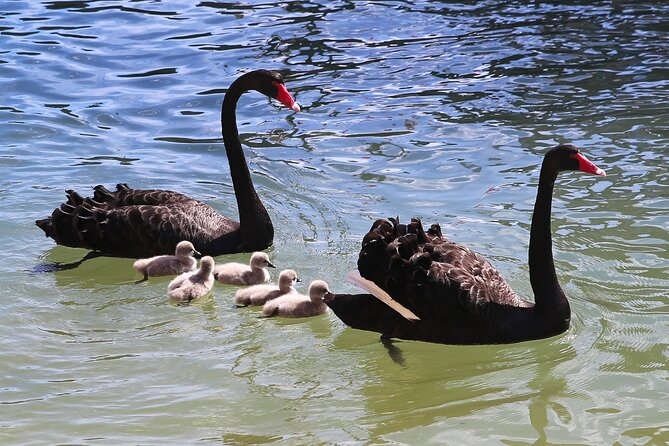
The guide provides live commentary on the birds and their habitats, so you get more than a passing view of wings and feathers. The wetlands also give the cruise a change of pace. After marinas and houses, the shoreline becomes a place to watch natural habitat and waterbird activity.
This is where the trip can work well for families and mixed-age groups. Children may focus on dolphins, while adults enjoy the birds and the explanation of how the estuary supports them. You might also find that the wetlands are the most peaceful part of the cruise, especially if you like scenery that is not built up.
Birdwatching is not a substitute for dolphins if dolphins are your only reason for booking. Still, the reserve helps make a less active dolphin day worthwhile. The guide can keep the trip informative while the boat continues searching.
Same water, a different boat:
- Swim with Wild Dolphins Day Tour
★ 4.5 · 669 reviews - Sydney: Jervis Bay Day Trip with Dolphins, Roos & Beach Time
★ 4.5 · 643 reviews - Adelaide: Dolphin Sanctuary Eco Kayaking Tour
★ 4.5 · 560 reviews - Snubfin Dolphin Eco Cruise from Broome
★ 5.0 · 533 reviews
The Peel-Harvey Estuarine System
After the Port Mandurah canals, the route opens into the Peel-Harvey Estuary. At about 136 square kilometers, it is one of Western Australia’s largest inland waterways. The wider water gives you a stronger sense of the scale of the region than the tighter marina and canal sections.
The estuary supports varied and rare animal species, and the guide explains the connection between the water, wildlife, and local communities. This is also where you may appreciate the decision to stay mostly within calm inland water. The boat can cover a broad area without turning the outing into an offshore voyage.
The open water may feel less visually packed than the canals. That is part of the appeal, but it also means the experience depends more on what the wildlife is doing that day. If dolphins are active, the open view gives you a better chance to watch them surface and travel alongside the boat. If they are quiet, you may spend more time scanning the water.
The route also reaches the point where Mandurah’s inland waters meet the Indian Ocean. You do not get an extended ocean cruise. Instead, you pass the mouth and see the contrast between sheltered estuary water and ocean waves before returning through the inland system.
What the dolphin sighting is really like
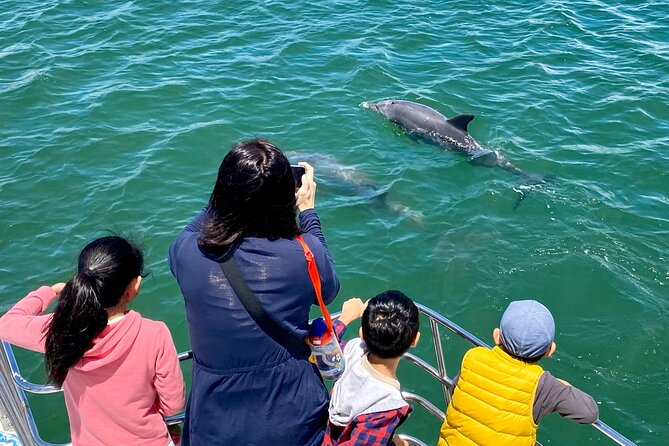
A good sighting may be brief or surprisingly close. Dolphins can swim alongside the boat, surf the wake, and appear at several points along the route. When a dolphin surfaces near the vessel, everyone’s attention shifts quickly, so keep your phone or camera ready before the first one appears.
Some departures see several dolphins and have time for photos and video. Others see only a few, sometimes late in the trip. That difference is not a flaw in the boat or crew. Wild dolphins choose their own route and pace.
The operator does not feed the dolphins to bring them closer. That is important. Bringing food would create an artificial encounter and could affect the animals’ behavior. The cruise relies on Mandurah’s natural dolphin population and follows them without turning the sighting into a performance.
The free return policy helps with the uncertainty. If you barely see a dolphin or miss one entirely, contact the operator to arrange another trip. The policy is most useful if you are staying in Mandurah for more than a day or have flexibility before leaving the area.
The guide, boat, and onboard atmosphere
The cruise includes a driver or skipper, a tour host, and live commentary. The strongest feature of the commentary is its range. You hear about dolphin behavior, bird habitats, Mandurah’s waterways, local culture, and the region’s story from Aboriginal times to the present.
The boat is described as spacious, and the group limit is 20 people. That combination matters. You should have a better chance of moving from one side to the other when wildlife appears, rather than being fixed in one crowded seat. Several aspects of the route are also easier to enjoy when you can look around instead of peering over a packed row.
The crew’s friendly and welcoming manner receives repeated praise, and safety information is part of the departure briefing. Life jackets are available for emergencies, with their location explained before leaving. You should listen closely during that briefing, especially if the boat is noisy or you are seated away from the skipper.
Drinks and snacks are not included, though drinks can be bought onboard. Your ticket also includes a buy-one-get-one-free churro offer from San Churro and 10 percent off at the Mandurah Cruises gift store. Those extras are pleasant, but I would treat them as bonuses rather than reasons to choose the cruise.
Price, timing, and who gets good value
At $31.56 per person, this is reasonably priced for a 75-minute water outing with a guide, wildlife search, wetlands, marinas, and canals. The value is strongest if you want several experiences in one short trip rather than a specialist birding expedition or a long offshore wildlife voyage.
The cruise is also easy to fit into a day. You can choose a morning or afternoon departure, then pair it with time around Mandurah’s waterfront. Since transport to and from the attraction is not included, you need to make your own way to 73 Mandurah Terrace.
The small group limit improves the value. You are paying for access to a guided route, but you are not joining a huge boat where wildlife viewing becomes a contest for rail space. The trip is also suitable for most people, and it runs in all weather, so dress for changing conditions.
Rain or wind can change the feel of the outing. The operator may cancel for poor weather and offer another date or a full refund. For your own comfort, bring a jacket and plan on conditions being cooler or wetter on the water than beside the dock.
Free cancellation is available up to 24 hours before departure. Inside that window, changes and refunds are not accepted, except when the operator cancels because of weather or because the minimum number of people is not reached.
Who should book this cruise
I would recommend it to families, couples, first-time visitors to Mandurah, and anyone who wants a relaxed introduction to the region. The 75-minute length works well for mixed groups, and the combination of dolphins, birds, wetlands, and homes gives everyone something to watch.
It is also a good choice for a dolphin fan who understands that wild sightings vary. The free return trip takes some pressure off, especially if you can book early in your visit.
I would hesitate if you want a long open-ocean adventure, a dedicated photography charter, or a trip focused only on dolphins. You may find the canal homes and town commentary take up more time than expected. The route is scenic and informative, but it is not a high-speed chase after marine life.
Should you book the Mandurah Dolphin Cruise?
Book it if you want a gentle, well-priced look at Mandurah from the water, with a real chance of seeing wild dolphins and a useful backup if you do not. The best parts are the small group, the calm estuary route, the Creery Wetlands, and the chance to see dolphins behaving naturally.
Go in with sensible expectations. You may see dolphins within minutes, or you may wait until the final stretch. If you can accept that uncertainty, this cruise offers a pleasant mix of wildlife, wetlands, canals, birdlife, and local context in a compact 75-minute outing.
FAQ
How long does the Mandurah Dolphin Cruise last?
The cruise lasts approximately 1 hour and 15 minutes.
Where does the cruise depart and return?
It departs from Mandurah Cruises at 73 Mandurah Terrace, Mandurah, Western Australia, and returns to the same meeting point.
Are dolphin sightings guaranteed?
Yes. If you do not see dolphins, you can take the cruise again for free. The dolphins remain wild animals, so the operator cannot control how close they come or how active they are.
Does the cruise enter the open ocean?
The route focuses on Mandurah’s inland waterways, including the Peel Inlet and Mandurah Estuary. It passes the mouth where the inland waters meet the Indian Ocean but is not described as an extended ocean cruise.
What wildlife can you see besides dolphins?
You can look for birdlife in Creery Wetlands Nature Reserve, which supports about 130 bird species. The guide also discusses local wildlife and bird habitats.
Is food included?
Food and drinks are not included unless specified. Drinks and alcoholic drinks are available to buy, and the cruise ticket includes a buy-one-get-one-free churro offer from San Churro.
What happens if the weather is poor?
The cruise operates in all weather, so you should dress appropriately. If the operator cancels because of poor weather, you can choose another date or receive a full refund.
Just added on the water around Australia
- Adelaide: Dolphin Sanctuary Single or Double Kayak Rental★ 4.1 · 51 reviews
- Adelaide: Dolphin Sanctuary Mangroves Kayak Tour★ 4.2 · 54 reviews
- Port Stephens 3 Hour Whale and Dolphin Watch Cruise★ 5.0 · 53 reviews
- Nelson Bay: Whale and Dolphin Watching Catamaran Cruise★ 4.6 · 47 reviews
- Philip Island: Dolphin and Whale Cruise★ 4.4 · 48 reviews
- Moreton Island: Tangalooma Whale Watching & Dolphin Feeding★ 4.7 · 57 reviews
- Jervis Bay Tour with Dolphins, Kangaroos & World’s Whitest Beach★ 4.5 · 76 reviews
- From Sydney: Port Stephens Dolphin, Koalas, Lunch & Sandboarding★ 5.0 · 211 reviews
Australia Dolphin Watching Tours, compared.

Dolphin & Tangalooma Wrecks Snorkel Cruise
Our review of this trip →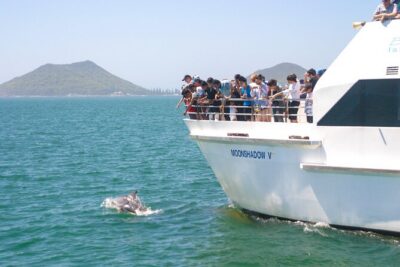
Port Stephens: Dolphin Discovery Cruise
Our review of this trip →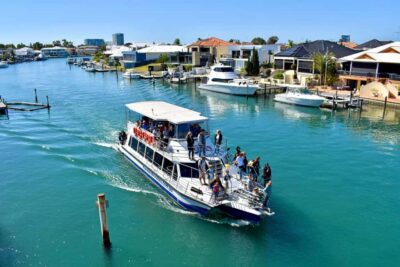
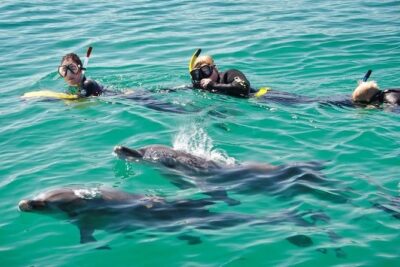
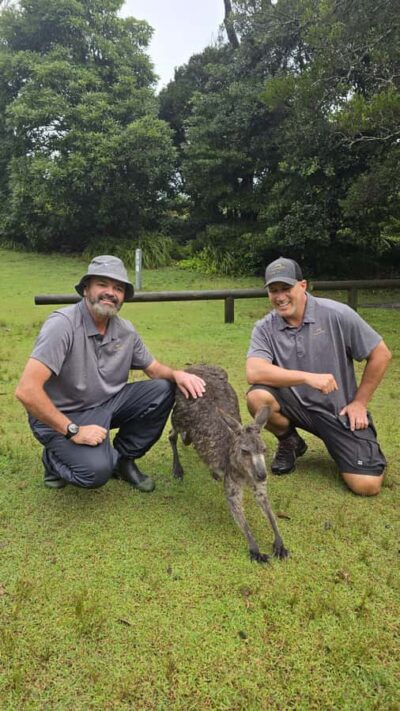
Jervis Bay Day Trip with Dolphins, Roos & Beach Time
Our review of this trip →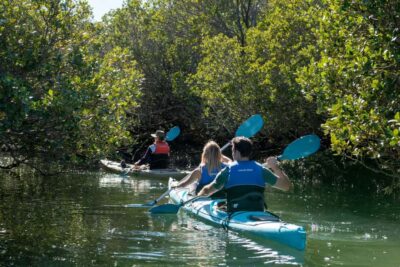
Adelaide: Dolphin Sanctuary Eco Kayaking Tour
Our review of this trip →
Snubfin Dolphin Eco Cruise from Broome
Our review of this trip →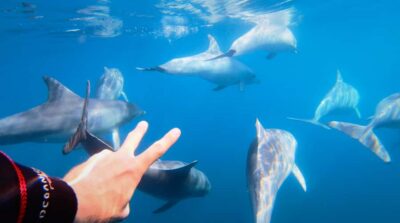
Adelaide: 4-Hour Swimming with Dolphins Experience
Our review of this trip →Browse the lists this tour appears in