
Review · SETUBAL
Become a dolphin protector! Lisbon Eco-dolphin watching
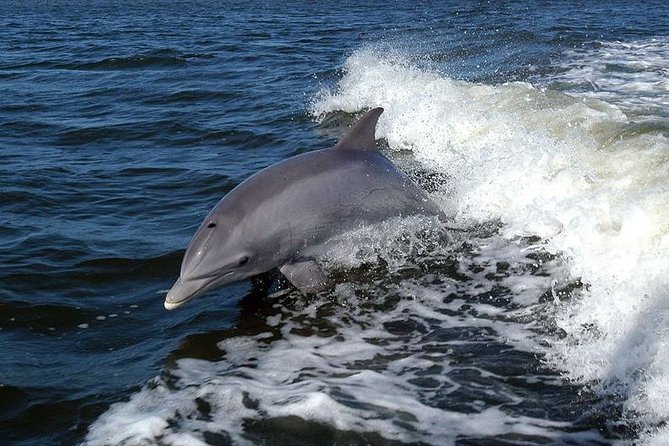
The best part of this eco-dolphin trip is its two-part purpose: you go out to watch bottlenose dolphins in the wild, then help remove floating plastic when it appears. The route follows the coast of Serra da Arrábida toward the Sado Estuary, with possible sightings near the Professor Luiz Saldanha Marine Park or Troia peninsula.
I like the careful approach to the animals, with the focus on avoiding disturbance, and I like that the cleanup gives children a practical way to take part. The main consideration is simple: dolphins are wild, so a sighting cannot be promised, and the boat trip depends on good weather.
Key points to know before booking
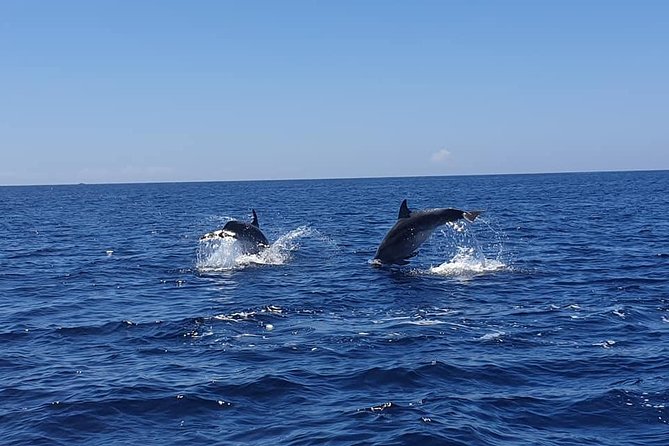
- Wild dolphins, not a staged show: Look for Roazes Corvineiros, the local name for bottlenose dolphins, in their natural setting.
- Plastic cleanup is part of the purpose: You may collect floating plastic during the outing, adding a useful conservation task to the wildlife watching.
- A compact 2.5-hour trip: The schedule fits neatly into a morning, with a 10:00 am departure and a return to Sesimbra.
- Arrábida and the Sado Estuary: The route can include the Professor Luiz Saldanha Marine Park and the waters near Troia.
- Small maximum group: The boat accepts no more than 24 people, which keeps the outing more manageable than a large cruise.
- Good for families: The activity is open to all age groups, and children can connect the dolphin sighting with hands-on care for the sea.
Why this dolphin trip feels different
Many dolphin outings are built around the hope of seeing an animal and little else. This one adds a clear conservation task. If floating plastic is visible, you are not simply passing it by. You can help remove it from the water while the crew keeps the main aim in view: watching dolphins without putting pressure on them.
That distinction matters. Wild dolphins should not be treated like performers. The activity is designed around observing them in their own habitat, with care taken not to disturb them. For you, that means the encounter may be quieter and less predictable than a show, but it also has more value as a real wildlife experience.
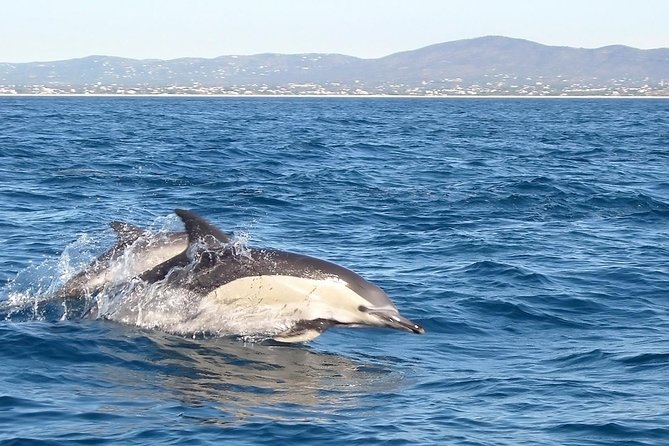
The dolphins you are looking for are Roazes Corvineiros, the Portuguese name used for bottlenose dolphins. They live in the waters around the Sado Estuary and the nearby coast. The route may bring you along the Arrábida shoreline, into the marine park, or toward the Troia peninsula, depending on conditions and where the animals are found.
I especially like the way the cleanup gives the trip a second purpose. A dolphin sighting can be thrilling, but plastic in the water is a visible reminder of the wider problem facing marine life. Even a small collection helps you see the coast as a place that needs care, not just a backdrop for photographs.
More dolphin watching tours in Setubal:
- Setúbal: Dolphin Watching Tour
★ 4.8 · 801 reviews - Setúbal: Dolphin Watching Boat Tour
★ 4.8 · 423 reviews - Sesimbra: Arrábida Dolphin and Whale Watching tour with biologist
★ 5.0 · 248 reviews
Leaving Sesimbra at 10:00 am
The meeting point is Anthia Diving Center, Porto de Abrigo, Loja 1, 2970-152 Sesimbra, Portugal. The tour starts at 10:00 am and ends back at the same location, so you do not need to arrange a second pickup point after the boat ride.
The start time works well for a morning plan. You have about two and a half hours on the water, then the rest of the day remains free for Sesimbra or another stop in the Setubal District. If you are staying elsewhere, check your morning transport carefully. The activity is near public transportation, but the departure time is fixed enough that a late arrival could be a serious problem.
Bring the meeting-point address with you rather than relying on a last-minute search. Porto de Abrigo is the useful location detail, and Loja 1 identifies the specific unit. Confirmation is provided when you book, so keep those details available on your phone.
The trip is offered in English. No individual guide names are provided, so you should not expect to choose a particular naturalist or crew member. The important practical point is that the group is capped at 24 people, which should make boarding and wildlife watching easier to manage than on a much larger vessel.
Along the Arrábida coast and Marine Park
The first named stop is Parque Natural da Arrabida, the protected coastal area that gives the trip much of its setting. The boat heads along the coast toward the Sado Estuary, with the Professor Luiz Saldanha Marine Park included in the possible route.
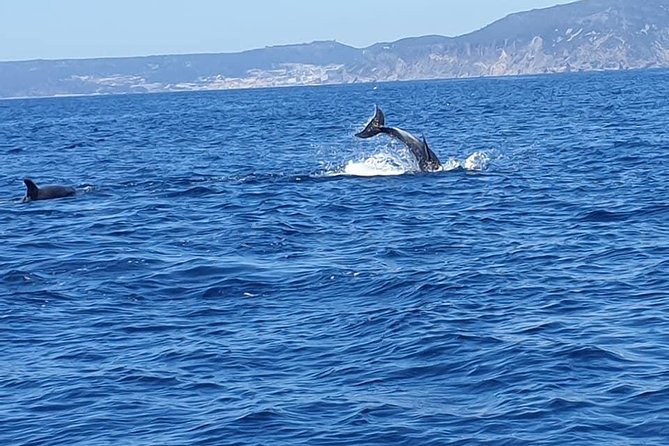
This is not a land tour with a long stop and a walk. The attraction here is being on the water, moving through the area where the dolphins live. You may spend time scanning the surface, watching for movement, and waiting for a group to appear. That uncertainty is part of the bargain with wild animals.
The marine park setting also explains why the no-disturbance approach matters. The goal is not to chase dolphins for a close photograph. It is to give you a chance to see them while respecting the place they use for feeding, swimming, and social activity.
You should keep your expectations sensible. A wildlife outing can produce a memorable sighting, but no schedule can control where dolphins surface. The operator notes that the activity requires good weather, and poor conditions can lead to a change of date or a full refund. Weather affects more than comfort. It can change visibility, sea conditions, and the ability to operate safely.
The Sado Estuary and possible Troia route
The Sado Estuary is another important part of the outing. Its waters offer a second setting for dolphin watching, and the route may extend toward the Troia peninsula. You will not know every turn in advance because the crew must balance the planned route with sea conditions and the search for animals.
That flexibility is useful. A fixed sightseeing loop might pass through attractive places but miss the wildlife. A trip built around dolphins needs room to adjust. At the same time, it means the exact order and length of each section can vary.
The estuary and nearby coast also make the plastic collection relevant. Floating waste can gather or drift through busy marine areas, and the chance to remove it gives you a direct task during quieter stretches of the search. The cleanup should not be seen as a guarantee that you will collect a large amount. It depends on what is present on the day.
For families, this is one of the strongest features. Children can watch for dolphins, then take part in a simple conservation action. The activity turns an abstract environmental lesson into something they can see and help with. The published feedback specifically describes the outing as safe for people and animals and especially suitable for children.
Same water, a different boat:
- Observation of Dolphins and Whales with Marine Biologist in Arrábida
★ 5.0 · 224 reviews - Setúbal: Dolphin-Watching Boat Tour
★ 4.8 · 213 reviews - Setúbal and Tróia: Dolphin Watching and Arrábida Bays
★ 4.8 · 153 reviews - Dolphin watching in Setúbal
★ 5.0 · 146 reviews
What the 2.5-hour format gives you
At roughly two hours and thirty minutes, this is long enough to feel like a proper boat outing without taking over your entire day. You get time to travel along the coast, search for dolphins, and possibly collect plastic, while still returning to Sesimbra around late morning or midday.
The short format also helps if you are planning several activities in the Setubal District. You can treat it as a focused morning rather than a full-day commitment. That makes the $59.57 price easier to assess. You are paying for a guided marine wildlife outing, boat time, an English-language operation, and an activity with a conservation element. For someone mainly interested in a quick dolphin encounter, the cost may feel reasonable if the experience runs smoothly.
The value is less certain if your only measure is guaranteed wildlife. No dolphin tour can promise that result here, and the supplied information does not promise one. You are paying for the chance to search responsibly in a known dolphin area, not for a staged performance.
The group limit of 24 is also part of the value. It is not an exclusive private charter, but it is small enough to avoid the scale of a large sightseeing boat. If you prefer quiet, private outings, 24 may still feel too many. If you want a reasonably social activity without a huge crowd, it is a useful middle ground.
How to make the most of the outing
Arrive ready for a morning on the water. The supplied details do not specify equipment, clothing, or onboard facilities, so avoid assuming that every comfort is included. Wear practical clothes and keep personal items secure. You may also want to bring sun protection, though the exact onboard arrangements are not stated.
Keep your phone ready for the meeting information, but do not let photography become the whole point. Dolphins can surface quickly and disappear just as fast. Watching the water carefully may give you a better chance of enjoying the moment than staring at a screen.
If you are with children, explain the two goals before you leave: look for dolphins and help keep the water free of plastic. That framing can make a quiet search period easier for them. It also helps them understand that the cleanup is not an extra chore added to the trip. It is part of why the outing exists.
The trip is suitable for most people, and the operator states that all age groups can take part. Still, the weather condition matters. If anyone in your party is uncomfortable with uncertain sea conditions, consider that before booking. The tour is not presented as a guaranteed calm-water ride.
Weather, cancellations, and planning risk
You can cancel for a full refund if you do so at least 24 hours before the start time. Changes or cancellations made less than 24 hours before departure are not accepted for a refund, so the deadline matters.
The operator may cancel if the weather is poor or if the minimum number of participants is not reached. In either case, you are offered another date or experience, or a full refund. This policy gives you some protection, but it also means you should keep your schedule flexible until the trip is confirmed to run.
The activity is booked, on average, 13 days ahead. That timing suggests you should reserve in advance if your Portugal schedule is tight, especially if you need a specific morning. The maximum group is 24, and popular dates may not remain open close to departure.
Who should book this Sesimbra experience?
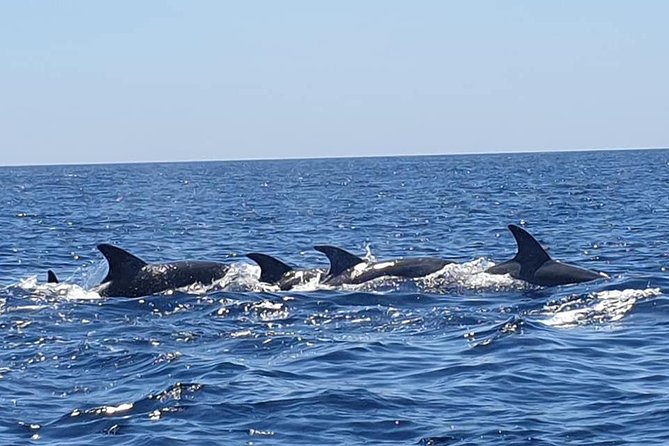
I would recommend this outing to families, first-time visitors to the Setubal coast, and anyone who wants a wildlife trip with a practical environmental angle. The combination of dolphins and plastic collection gives the morning more purpose than a simple ride out and back.
It is also a good fit if you are staying in or near Sesimbra and want a short activity that returns to the same meeting point. The English-language format makes it easy for English-speaking visitors, and the public transportation access may help if you are not driving.
I would be more cautious if your entire decision depends on a guaranteed dolphin sighting. The animals are wild, and the route can change with conditions. You should also think twice if your schedule cannot tolerate a weather-related change.
Should you book it?
Book this tour if you want a family-friendly morning focused on wild dolphins, careful animal watching, and a chance to remove plastic from the sea. The 2.5-hour length, return to Sesimbra, and group limit of 24 make it easy to fit into a wider Portugal itinerary.
Skip it if you need a guaranteed close encounter or a private boat. For everyone else, the strongest reason to go is the balance between pleasure and responsibility. You get the excitement of searching for dolphins, but you also leave the water with a clearer sense of how to protect it.
FAQ
Where does the dolphin tour start?
It starts at Anthia Diving Center, Porto de Abrigo, Loja 1, 2970-152 Sesimbra, Portugal.
What time does the activity begin?
The activity starts at 10:00 am.
How long does the experience last?
It lasts approximately 2 hours and 30 minutes.
Where does the tour end?
The activity ends back at the meeting point in Sesimbra.
What dolphins might I see?
The outing searches for Roazes Corvineiros, the Portuguese name for bottlenose dolphins.
Is the tour offered in English?
Yes. The experience is offered in English.
What happens if the weather is poor?
If poor weather causes cancellation, you are offered another date or experience, or a full refund.
Just added on the water around Setubal
- Observation of Dolphins in Setúbal★ 4.5 · 12 reviews
- Sesimbra Observation of Dolphins with Biologist in Marine Park★ 5.0 · 17 reviews
- Guided Dolphin Watching in the Arrábida Natural Park★ 5.0 · 4 reviews
- Dolphin watching in Setúbal★ 5.0 · 146 reviews
- Dolphin Watching at the Arrabida (Lisbon region)★ 5.0 · 51 reviews
- Dolphin Observation Boat Tour from Sesimbra★ 4.5 · 12 reviews
- Dolphin Watching in Sesimbra★ 5.0 · 40 reviews
- Boat Trip for Dolphin Watching along the Arrabida Coast and Sesimbra★ 5.0 · 10 reviews
Setubal Dolphin Watching Tours, compared.
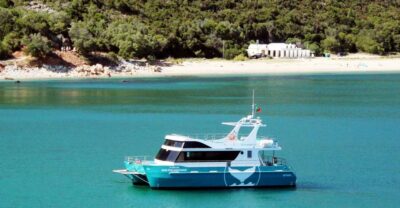
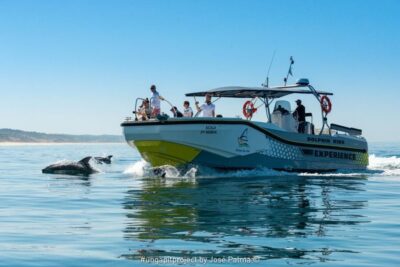
Arrábida Dolphin and Whale Watching tour with biologist
Our review of this trip →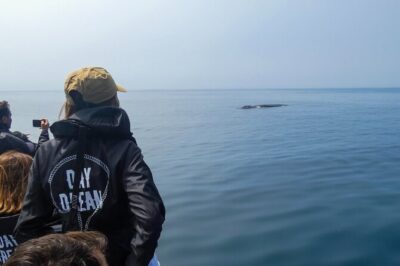
Observation of Dolphins and Whales with Marine Biologist in Arrábida
Our review of this trip →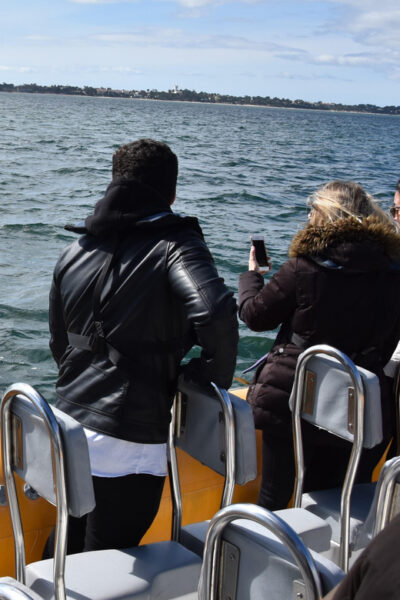
Setúbal and Tróia: Dolphin Watching and Arrábida Bays
Our review of this trip →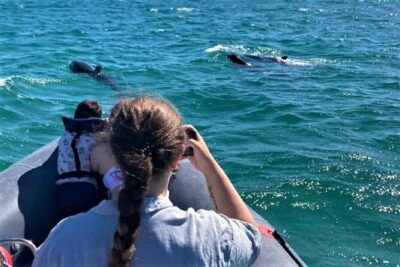
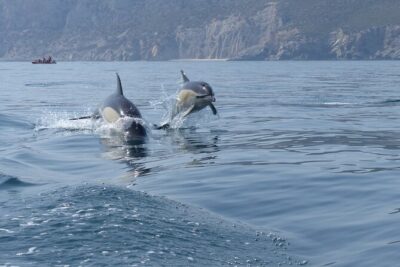
Dolphin Watching at the Arrabida (Lisbon region)
Our review of this trip →Browse the lists this tour appears in