
Review · ITALY
Alghero: Dolphin Watching Tour with Marine Researcher
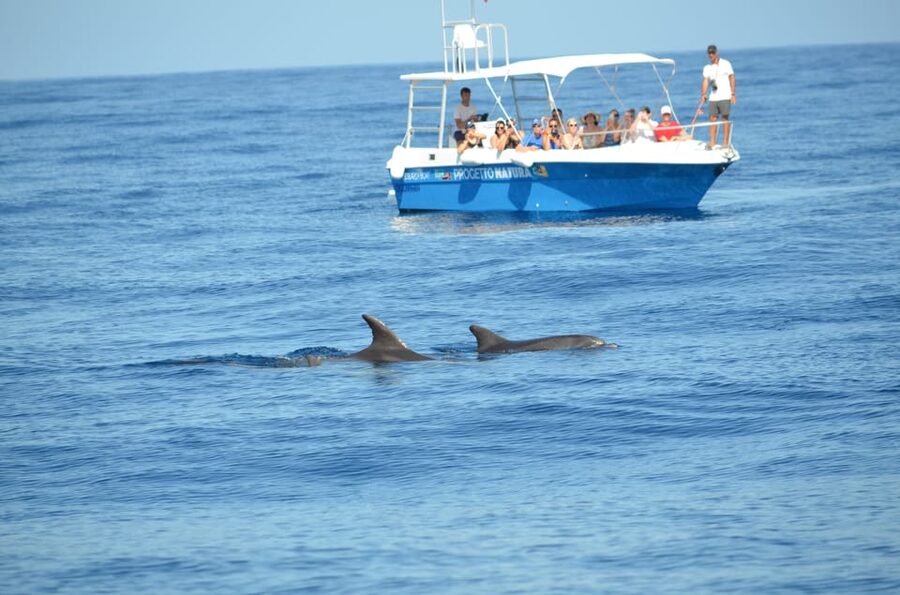
Alghero’s dolphin tour is more than a boat ride with your fingers crossed. MareTerra ERC’s marine biologists take you into the Gulf of Alghero to search for wild bottlenose dolphins while explaining how they track individuals, record behavior, and protect the local population. Fabio and his team keep the focus on science and animal welfare, not staged encounters.
I like two things here. First, your ticket supports ongoing research rather than a standard sightseeing cruise. Second, the summer trip adds guided snorkeling in the Marine Protected Area around Capo Caccia and Isola Piana, with masks and fins provided. The catch is simple: dolphins are wild, and there is no refund if none appear. Rough seas, no onboard bathroom, and chilly Mistral winds also call for some preparation.
Key points to know before you book
- Real field research on board: Watch marine biologists record locations, behavior, and dorsal-fin photographs for scientific work.
- More than a dolphin chase: The crew explains the resident bottlenose population and may let you hear dolphin communication through a hydrophone.
- Two seasonal versions: April, May, and October offer a 3-hour dolphin trip; June through September adds an hour of guided snorkeling.
- Responsible encounters: The boat follows the High Quality Whale Watching code, keeping observation respectful and low impact.
- An 80 percent sighting rate: Encounters are common, but never guaranteed because the dolphins range freely through the sea.
- Bring practical gear: Pack layers, water, sunscreen, a towel, and a swimsuit for the summer snorkeling stop.
Why this Alghero dolphin trip feels different
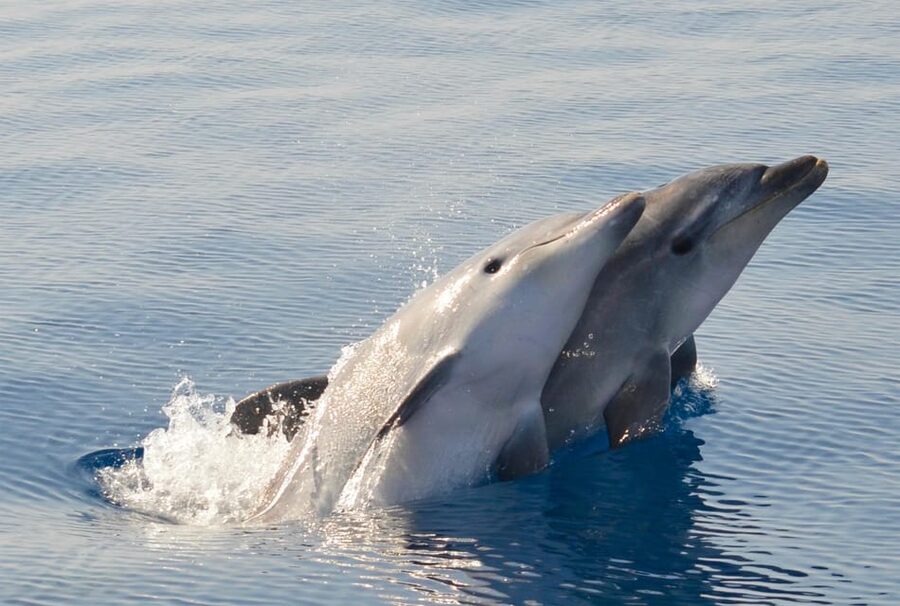
Many wildlife boat trips offer a pleasant ride and a quick animal sighting. This one gives you a better sense of how marine research actually works. You are not simply pointed toward a fin in the distance. The researchers explain photo identification, geographic tracking, and behavioral notes as they collect data during the outing.
The local focus matters. MareTerra ERC has studied the dolphins since 2012, concentrating on bottlenose dolphins that live close to the coast. The team uses each trip to learn more about the population’s health, movements, and daily habits. That gives the outing a useful purpose, even during the quiet stretches when the sea shows no dolphins.
The guides speak English and Italian. Fabio has led several of the outings described in the supplied information, and his approach combines clear explanations with a friendly, hands-on style. You may learn the names of dolphins the team recognizes, along with details about their individual markings and behavior.
The tour follows the HQWW, or High Quality Whale Watching, code of conduct. That means the crew approaches carefully and avoids actions that might disrupt the animals. You get the excitement of seeing dolphins in the wild without treating them like performers.
More dolphin watching tours in Italy:
- Golfo Aranci: Eco-Friendly Dolphin Watching Boat Trip
★ 4.8 · 2,846 reviews - Golfo Aranci: Kayak Tour with Dolphins and Aperitif
★ 4.9 · 1,731 reviews - Dolphin Watching Tour – from Golfo Aranci
★ 5.0 · 1,198 reviews
Leaving the port and reading the sea
Your meeting point is in front of the Cicloexpress bike rental shop on the Lungomare Barcellona promenade. Wait on the benches outside. Cicloexpress is not connected with MareTerra, so ask the MareTerra researcher for help rather than the bike shop staff.
A researcher meets you there and walks you to the boats. The vessels were built for dolphin watching and safe navigation in the Gulf of Alghero. They are small enough to support a close connection with the water, but that also means there is no bathroom on board and little shelter from wind or spray.
There is no fixed route. Once the boat leaves the port, the crew chooses a direction based on recent monitoring, dolphin movements, and current sea conditions. This is one of the tour’s strengths. The route responds to the animals and the weather rather than following a rigid sightseeing circuit.
It also means the first part can feel like a search. You may spend time scanning the water, listening to explanations, and watching the coastline. Bring patience. The crew has a strong understanding of local dolphin movements, but wild animals do not follow a timetable.
The coastal views make the searching worthwhile. The Gulf of Alghero and the cliffs around Capo Caccia provide a striking setting, and the crew shares facts about the places and marine life you see along the way. You are not left guessing why the boat has stopped or changed direction.
How the dolphin search works
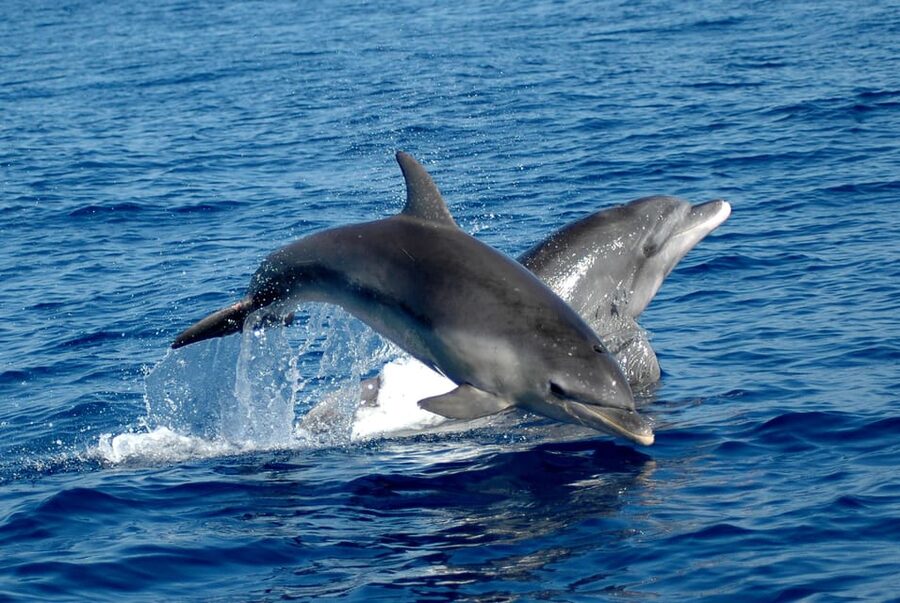
When dolphins appear, the boat approaches under the certified code of conduct. The goal is to observe without crowding the animals or changing their normal behavior. You might see them traveling alongside the boat, surfacing nearby, or moving through the water at a distance. The exact view depends on the sea and the dolphins.
The researchers keep working during the sighting. They may photograph dorsal fins to identify individual animals, note the boat’s position, and record behavior. A dorsal fin can act much like a fingerprint because its shape and markings help researchers tell one dolphin from another.
If conditions allow, the crew may use a hydrophone to pick up the sounds dolphins use to communicate. This is a special touch because it shifts the experience from simply watching animals to understanding that an active acoustic world is happening below and around you.
The stated sighting success is over 80 percent. That is encouraging, but it should not be read as a promise. Dolphins move across a broad area, and rough water or changing conditions can make a sighting difficult. You should book this as a wildlife search, not as a guaranteed photo opportunity.
The responsible approach is important for another reason. You can feel excited without encouraging the crew to chase the animals for a better view. The researchers’ work depends on the dolphins continuing to use the Gulf naturally, so restraint is part of the experience.
Choosing between the 3-hour and 4-hour versions
From April through May and again in October, the outing lasts about 3 hours and focuses on dolphin watching and marine research. This version suits you if you prefer a shorter boat trip, want to avoid the hottest summer weather, or are visiting Alghero in the shoulder seasons.
Spring and autumn also require sensible clothing. Wear layers, even on a bright day. The Mistral can bring cold wind in summer, while April, May, and October can feel especially cool once the boat is moving. Sunglasses and a hat help with glare, and sunscreen remains useful outside the hottest months.
From June through September, the trip lasts about 4 hours. After the dolphin search, the boat stops for about an hour in the Marine Protected Area of Capo Caccia and Isola Piana. There, the crew leads a snorkeling session focused on marine life.
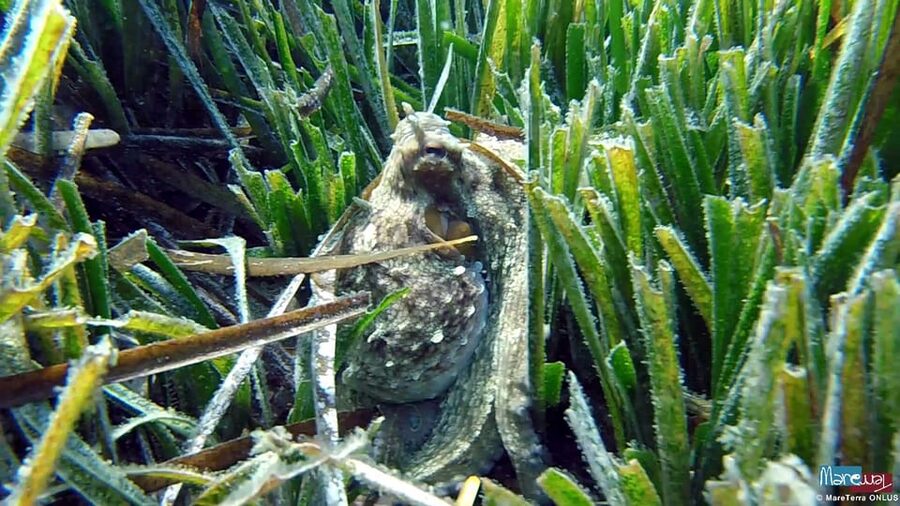
This added hour gives the summer trip a different rhythm. The first portion is active observation and searching. The second lets you get into the water and see the environment from below the surface. You may encounter small marine creatures, and an octopus has been spotted during the snorkeling portion.
Masks and fins are supplied. You should still bring a beach towel and wear your swimsuit under your clothes so you are ready when the boat stops. Bring your own drinking water, since food and drinks are not included.
The snorkeling is guided, not simply a swim break. The team uses its marine knowledge to point out what you are seeing and explain the protected area. If dolphins are the headline attraction, the snorkeling stop gives you a second reason to value the trip when the wildlife search is slow.
Same water, a different boat:
- Olbia: Dolphin Watching & Snorkeling Boat Tour near Figarolo
★ 4.9 · 670 reviews - Giardini Naxos: Dolphin Searching Sunset Boat Tour
★ 4.7 · 564 reviews - Olbia: Eco-Friendly Dolphin-Watching Boat Trip
★ 4.8 · 492 reviews - Kayak tour with aperitif and dolphins
★ 5.0 · 471 reviews
What the Marine Protected Area adds
Capo Caccia and Isola Piana are not just a convenient place to stop for a swim. The protected status helps frame the snorkeling as an encounter with a managed marine environment rather than an ordinary beach break.
You enter the water with guidance from a certified operator of the Marine Protected Area. That matters because the crew can explain how to observe marine life without touching, feeding, or disturbing it. The rules are straightforward: no littering, no feeding animals, and no actions that interfere with the sea life.
The one-hour stop is available only from June through September. If you visit outside those months, you get the 3-hour dolphin-focused version instead. Do not book an autumn trip expecting the snorkeling portion.
Water comfort is another consideration. The supplied information does not give a water temperature or guarantee calm conditions, so bring a towel and suitable clothing rather than assuming the swim will feel warm. If you would rather remain on the boat, clarify expectations before departure, since the summer schedule is built around the snorkeling stop.
The value of the $59 price
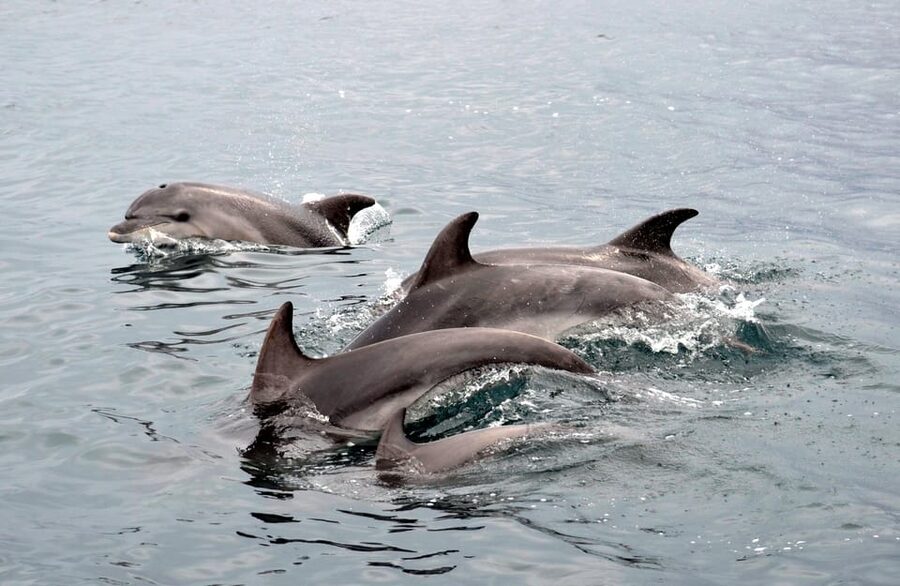
At $59 per person, this trip is priced above a basic harbor cruise but offers more than a simple sightseeing ride. You get 3 or 4 hours on the water, marine biologists on board, a dolphin search, research interpretation, and access to the Marine Protected Area during the summer season.
The strongest value comes from the purpose behind the trip. Your participation helps support MareTerra ERC’s research and conservation projects. You can watch data being gathered in the field rather than paying only for transport and entertainment.
The summer version offers particularly good value if you want both wildlife watching and snorkeling. Four hours gives the boat ride enough time for a serious search, followed by a guided hour in the water. The spring and autumn version may suit you better if you are mainly interested in dolphin biology and prefer not to snorkel.
Food, drinks, and transport to the port are not included. Plan to reach the Lungomare Barcellona promenade on your own and bring water. These are small costs and simple arrangements, but they matter when comparing this with a larger cruise that might provide more facilities.
The 90 percent perfect transport score suggests that the boat service generally meets expectations, but do not confuse a well-run boat with a luxury vessel. This is a working platform for wildlife research. You will have fewer facilities and less protection from the elements, in exchange for a more direct connection to the sea.
Sea conditions, comfort, and who should skip it
A boat trip can feel very different depending on the day. Rough seas were a problem during at least one outing, so take seasickness seriously. If you are prone to motion sickness, speak with a medical professional about suitable medication before the trip and avoid arriving on an empty stomach.
There is no bathroom on board. Keep that in mind when planning your morning or afternoon, especially if you are traveling with young children. The minimum age is 5, and the trip is not considered suitable for pregnant women, people with heart problems, or people over 75.
The age and health limits are not a judgment on your ability. They reflect the small boat, open-water conditions, lack of onboard facilities, and the physical demands of a trip that may encounter wind and waves.
Dress in layers. Even in summer, a cold Mistral can make the ride feel brisk. Sunglasses protect your eyes from glare, while a hat and sunscreen help during long periods on open water. Avoid bringing a drone, alcohol, or drugs. Smoking is not allowed, and feeding animals is strictly off limits.
Cameras are welcome. Keep your expectations realistic, though. Wildlife photography from a moving boat is unpredictable, and the responsible approach may mean remaining farther away than you would prefer for a close-up image.
How the experience handles disappointment
The main risk is obvious: you may not see dolphins. An 80 percent sighting rate is excellent for wild animals, but it still leaves a real chance of an empty search.
The best way to judge this tour is to ask yourself what you would value if the dolphins stayed out of sight. You would still have a boat trip along one of Sardinia’s most attractive coastal areas, explanations from marine biologists, and a look at how field data is collected. In summer, you would also have the guided snorkeling stop.
That does not erase the disappointment of missing the main attraction. No refund is offered if dolphins are not spotted, so book only if you accept the uncertainty. The tour is a better fit for someone who enjoys learning about wildlife than for someone who needs a guaranteed animal encounter.
Weather cancellations are handled differently from a missed sighting. If an earlier outing is canceled because of sea conditions, the operator may contact you to offer another date. One such rescheduled trip turned into a successful dolphin and snorkeling outing, but the key point is that sea safety comes first.
Small details that make the day run better
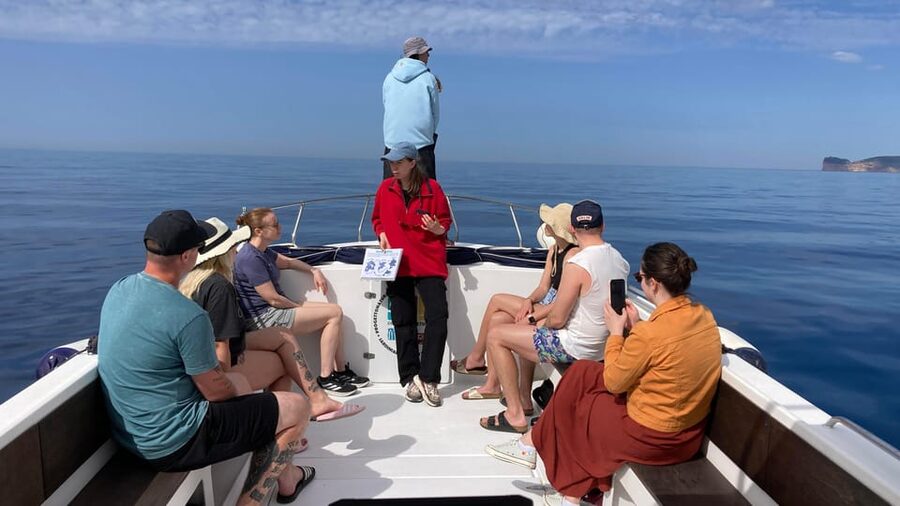
Arrive at the correct meeting point and wait outside Cicloexpress. Bring water from the start, since drinks are not provided. For June through September, wear your swimsuit and carry a towel.
A simple packing list:
- Warm layer or windbreaker
- Sunglasses and hat
- Sunscreen
- Reusable water bottle
- Beach towel
- Swimsuit from June through September
- Camera, if you want one
Keep your bag compact. The boats are designed for this activity, but they are not described as spacious, and there is no bathroom or full-service cabin.
You can cancel without penalty up to 24 hours before departure, and the reserve-now, pay-later option keeps your plans flexible. Check the available departure time when booking, since the exact start varies.
Should you book this Alghero dolphin tour?
Book it if you want a thoughtful wildlife outing led by marine biologists, and if supporting conservation matters to you. The research element, careful approach to dolphins, and possible hydrophone listening make this more meaningful than a standard boat ride.
Choose the summer version if snorkeling appeals to you and you can handle four hours at sea. Choose April, May, or October if you want a shorter dolphin-focused trip and do not need time in the water.
Skip it if you require a bathroom, dislike small boats, suffer badly from seasickness, or would be upset by the possibility of seeing no dolphins. For everyone else, $59 is a fair price for a well-purposeful outing that combines Sardinian scenery, marine science, and a genuine chance to see wild bottlenose dolphins without treating them like a show.
FAQ
Where does the dolphin tour meet in Alghero?
The meeting point is in front of the Cicloexpress bike rental shop along the Lungomare Barcellona promenade. Wait on the benches in front of the shop for a MareTerra ERC researcher.
How long does the tour last?
The dolphin-watching tour lasts about 3 hours in April, May, and October. From June through September, the tour lasts about 4 hours and includes guided snorkeling.
Is dolphin watching guaranteed?
No. The stated sighting success is over 80 percent, but dolphins are wild animals that move across large areas. No refund is given if no dolphins are seen.
What kind of dolphins might I see?
The tour focuses on local bottlenose dolphins that live close to the coast near Alghero.
Is snorkeling included?
Guided snorkeling is included from June through September. The boat stops for about an hour in the Marine Protected Area of Capo Caccia and Isola Piana, with masks and fins provided.
What should I bring for the tour?
Bring warm clothing, sunglasses, a hat, sunscreen, a towel, and drinking water. From June through September, wear your swimsuit and bring a beach towel for the snorkeling stop.
Is there a bathroom on the boat?
No. There is no bathroom on board, so plan accordingly before departure.
Can children join the tour?
Children must be at least 5 years old. The activity is not suitable for children under 5.
What languages are available?
The live guides speak English and Italian.
Just added on the water around Italy
- Giardini Naxos: Dolphin Catamaran Sunset Tour with Aperetif★ 4.0 · 218 reviews
- Giardini Naxos Taormina: Dolphin Watching Sunset Tour★ 4.6 · 276 reviews
- Dolphin Watching and Snorkeling in Figarolo in Sardinia★ 5.0 · 176 reviews
- Tour to Figarolo Island with the possibility to observe dolphins★ 5.0 · 302 reviews
- Dolphin Watching Tour with Snorkeling from Olbia★ 5.0 · 275 reviews
- 3-Hour Dolphin watching at sunset with aperitif★ 5.0 · 67 reviews
- 2.5 Hours Sunset Boat Tour in Search of Dolphins★ 5.0 · 105 reviews
- Dolphin Watching & Conservation – Dolphins in the Gulf of Catania★ 4.5 · 78 reviews
Italy Dolphin Watching Tours, compared.
Eco-Friendly Dolphin Watching Boat Trip
Our review of this trip →
Kayak Tour with Dolphins and Aperitif
Our review of this trip →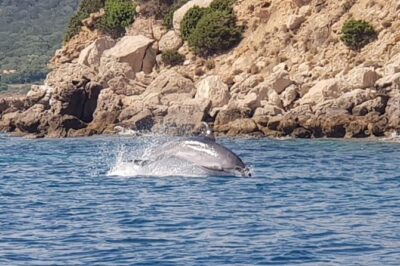
Dolphin Watching Tour – from Golfo Aranci
Our review of this trip →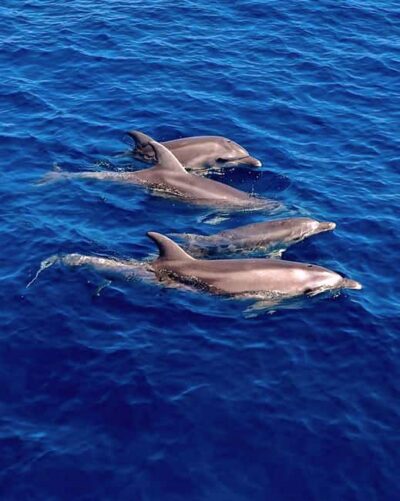
Dolphin Watching & Snorkeling Boat Tour near Figarolo
Our review of this trip →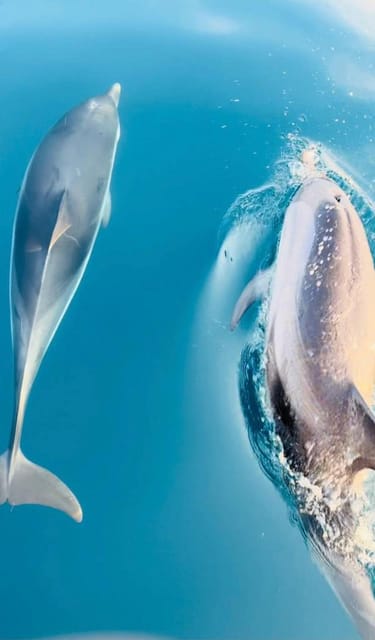
Giardini Naxos: Dolphin Searching Sunset Boat Tour
Our review of this trip →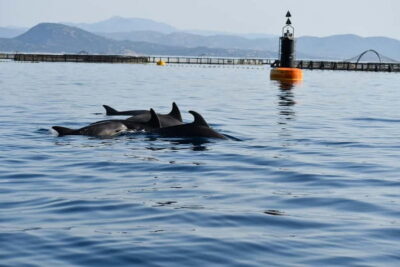
Eco-Friendly Dolphin-Watching Boat Trip
Our review of this trip →
Taormina: Sunset Boat Tour with Dolphin Watching & Aperitif
Our review of this trip →Browse the lists this tour appears in