
Review · SRI LANKA
Great Whales Education Programe Dolphins and Whales are in SL
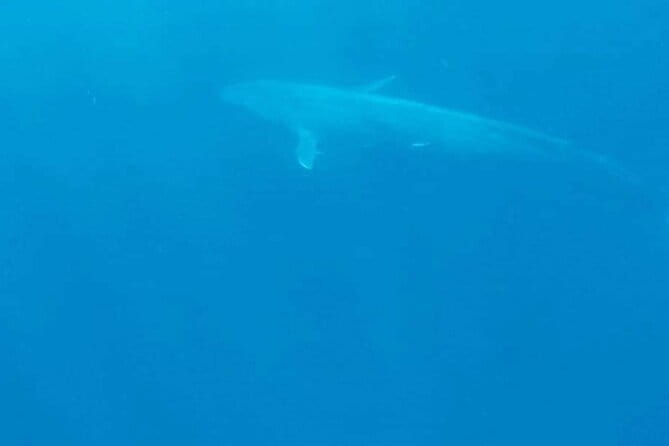
Sri Lanka’s southern coast is famous for whale and dolphin watching, but this experience takes a different route: instead of heading straight to sea, you first learn what you may see there. Ms. A.H. Deepika Kumari, one of the early members of Sri Lanka’s whale and dolphin watching industry, leads this one-hour program in Matara.
I like two things right away. You get a clear introduction to local species, watching points, boats, weather, and responsible viewing. You also get a useful backup when rough conditions stop boats from operating, as happened during a May visit. The drawback is simple: this is an education session, not a guaranteed whale-watching trip, so you will not see live animals during the program.
Key points to know before booking
- One-hour private session: Your own group takes part, rather than joining a large public class.
- Led by Ms. A.H. Deepika Kumari: She has more than 12 years of experience in Sri Lanka’s whale and dolphin watching industry.
- A practical introduction to sea trips: Learn about species, watching points, boat types, trip length, weather, and viewing methods.
- Useful for families: The program is designed for children, young adults, older adults, and anyone who wants a basic grounding before going to sea.
- Tea, snacks, and water included: Coffee or tea, light snacks, and bottled water are part of the price.
- Close to Mirissa and Polhena: The venue is about 30 minutes from Mirissa and about 15 minutes from Polhena Beach by the stated travel times.
Why this Matara program is different
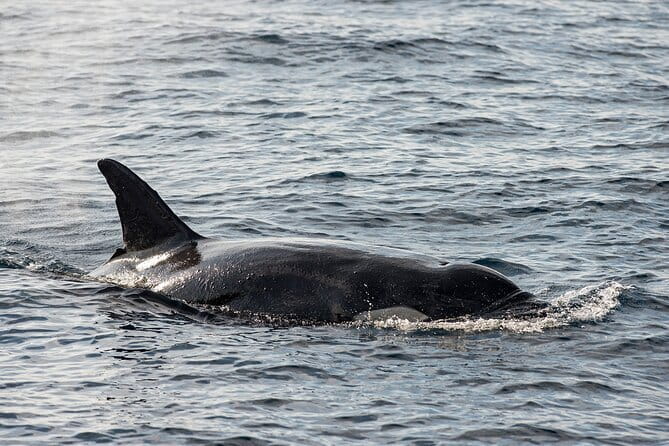
Most whale-watching outings begin with a boat, a life jacket, and a hope that the sea will cooperate. Great Whales begins with a conversation. In about an hour, you learn why whales and dolphins come to Sri Lankan waters, where people go to see them, and what a boat trip actually involves.
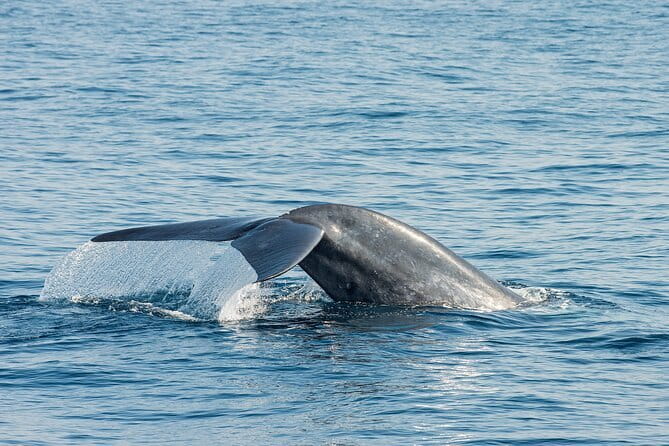
That makes the program especially useful if you are new to marine wildlife. You may know that Sri Lanka is associated with blue whales, but that is only the beginning. The session covers the main species found in local waters and the current sightings being recorded. It also explains the history of commercial whale and dolphin watching in Sri Lanka.
I appreciate the plain practical focus. This is not only a talk about animals. You also discuss boat types, trip duration, weather conditions, facilities offered by operators, and the best way to watch whales while at sea. Those details can make a real difference when you later compare boat trips in Mirissa.
The program takes place at No. 12 Paramulla Road in Matara. It is open daily from 7:00 AM to 7:00 PM during the stated operating period. The session itself lasts about one hour, so it can fit before a beach outing, after arrival in Matara, or as a useful indoor plan when sea conditions are poor.
More Whale and Dolphin Watching Tours in Sri Lanka:
- Whales and Dolphins Watching-Luxury Super Grade Cruiser(Hotel Pick up offered)
★ 5.0 · 1,268 reviews - Trincomalee: Whales Watching and Navy Island Snorkeling Tour
★ 4.4 · 81 reviews - Trincomalee: Whale & Dolphin Safari Tour with Expert Guides
★ 4.2 · 53 reviews
Meeting Ms. Deepika Kumari
The program is conducted by Ms. A.H. Deepika Kumari. She has more than 12 years of experience in the whale and dolphin watching industry and was one of the first members involved in whale and dolphin watching in Sri Lanka.
That background matters because the session is tied to actual local watching practice. You are not simply receiving a general lesson about marine mammals. The discussion includes Sri Lankan watching points, local boat operations, recent sightings, and the conditions that affect a day on the water.
The information provided does not promise a formal museum, aquarium, or large visitor center. Think of this as a personal education program, with an open discussion rather than a fixed show. You can exchange your own experience and knowledge of whale and dolphin watching during the session.
The welcome is also part of the experience. The included tea or coffee, snacks, and bottled water make the hour feel informal. That is helpful for families, since children can have a short break during the discussion rather than sitting through a long lecture.
What the one-hour discussion covers
The program has a clear set of topics. It begins with the development of commercial whale and dolphin watching in Sri Lanka. This gives you context for the industry you see around Mirissa and other coastal areas.
You then look at the main whale and dolphin watching points in Sri Lanka. This is useful if your itinerary includes several parts of the southern coast. It helps you understand that the best choice of location depends on the species you hope to see, the season, the weather, and the current reports.
Another topic is why whales and dolphins are found in Sri Lankan waters. The program also covers the common species seen in the area and current sightings. The supplied information does not promise a particular species on a particular day, so you should treat this as preparation rather than a sighting forecast.
The practical section deals with how a live trip works. You discuss the usual duration of whale and dolphin watching outings, weather conditions, and the kinds of boats and yachts used. You also learn about the facilities boat operators provide and the best method for watching whales from the water.
That is the part I find most valuable for a first-time visitor. A boat trip can be exciting, but without background you may not know what you are looking at or how conditions affect the day. This program gives you a framework before you board.
A useful option when boats cannot run
Sea trips depend on weather. The program’s value became especially clear when live whale and dolphin watching was not operating during a May 2025 visit because of bad conditions. Instead of losing the day entirely, visitors could still attend the education session.
You should be realistic here. The program does not replace a boat trip if your main goal is to see a blue whale or a pod of dolphins. It offers no live animal sighting during the one-hour session. But it gives you something worthwhile to do when the sea is too rough or boat operations are paused.
It can also help you decide if you want to book a boat trip at all. If you learn more about boat types, weather, viewing methods, and the chances of seeing different species, you can make a better choice. The discussion may be more satisfying than an uncertain trip taken without any context.
The experience also helps put disappointing sightings into perspective. A whale-watching trip cannot control the animals or the sea. Learning how sightings work does not guarantee success, but it can make the experience more understandable.
More dolphin watching tours in Sri Lanka:
- Trincomalee: Dolphin & Whale Watching Boat Tour
★ 4.2 · 37 reviews - All Inclusive Mirissa Whale and Dolphin Watching Boat Ride
★ 4.5 · 29 reviews - Whale & Dolphin Watching Tour in Trincomalee | Scenic Boat Ride
★ 4.0 · 8 reviews - Mirissa: Whale & dolphin Watching Boat Tour with Breakfast
★ 4.0 · 8 reviews
How it fits with Mirissa and Polhena
Great Whales is in Matara, about 30 minutes from Mirissa and Mirissa Beach, according to the stated travel information. Polhena Beach is about 15 minutes away. That makes the program most convenient if you are already staying around Matara, Mirissa, Weligama, or Polhena.
You can use it as a short stop during a coastal itinerary. A morning or afternoon session leaves time for the beach, though the exact travel plan is up to you. The activity returns to the same meeting point, so it is not a transport service between towns.
You can also buy tickets for live whale and dolphin watching in Mirissa through the program. This is useful if you want to combine preparation with a later trip, but the education session itself does not include the boat outing. Keep those as two separate parts of your plan.
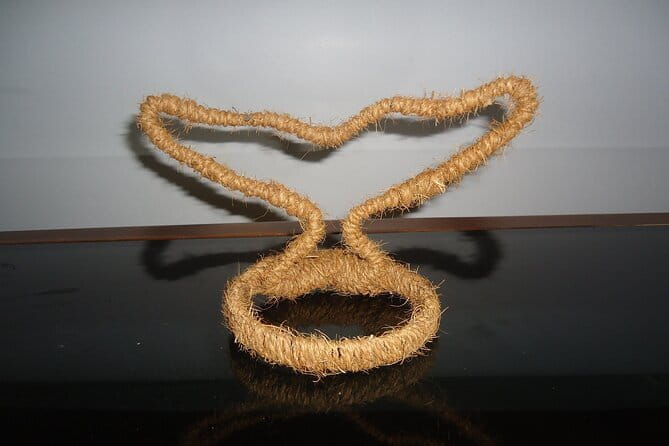
You can also purchase locally designed and locally made whale and dolphin souvenirs. That adds a small cultural and personal touch, though the available information does not specify the products or prices. Bring this up during your visit if you are interested.
What you receive for $25
The listed price is $25 per person. For an hour-long private activity, that is not the cheapest possible way to spend time on the southern coast, but the value depends on how much you want to understand the subject.
The fee includes all taxes and fees, coffee or tea, snacks, and bottled water. You are paying for a focused session with an experienced local guide, not for transport, a boat ride, or a guaranteed wildlife encounter.
I would call the price reasonable for families or small groups who plan to go whale watching. The material covers the exact questions that often arise before a sea trip: where to go, how long it takes, what boats are used, what the weather means, and what facilities may be available.
For a person who only wants a quick photograph from a boat, the value is less clear. You may prefer to put the money toward a live outing. For someone interested in marine mammals, or for a family wanting an educational activity, the price is easier to justify.
The private format also matters. Only your group participates, so the discussion can be more personal than a large public presentation. You can ask questions and share your own experience instead of simply listening from the back of a crowded room.
What families and older visitors should expect
The program is designed for children, young adults, adults, and seniors. Most visitors can participate, and service animals are allowed. The venue is near public transportation, which helps if you are not arranging a private vehicle.
The one-hour length is a good fit for mixed-age groups. It is long enough to cover several topics, but short enough to avoid becoming an exhausting classroom session. Tea, coffee, snacks, and water are included, which makes the setting more comfortable for children and older family members.
The program is also a sensible choice for anyone who has already gone whale watching but felt lost during the trip. One visitor described learning a great deal from Deepika and found the session useful for a parent and adult child. That pairing makes sense: the material can work for different ages without requiring specialist science knowledge.
The private format may be helpful for families with their own questions. You can focus more on species, boat conditions, or local watching points depending on what matters to your group.
Strengths and limitations at a glance
The strongest point is the explanation itself. The session covers both wildlife and the local watching industry, giving you more than a basic list of animal names. Deepika’s experience and direct involvement in the industry give the discussion a local focus.
The warm welcome is another plus. Refreshments are included, and the open discussion allows you to exchange ideas rather than sit through a one-way presentation.
The main limitation is that this is not live wildlife viewing. If you arrive expecting a boat, ocean views, or a guaranteed blue whale, you will be disappointed. The program prepares you for those experiences, but it does not provide them.
A second consideration is transport. An air-conditioned vehicle is not included. The meeting point is near public transportation, but you must arrange your own way there. If you are staying outside Matara, check the travel time before booking.
The activity is also dependent on accurate timing coordination. The operating hours are broad, from 7:00 AM to 7:00 PM daily, but the program information indicates that the time should be confirmed. A WhatsApp message may be used to arrange or confirm the appointment, so keep your phone available after booking.
Who should book this experience?
I would choose this for a family, a curious couple, or anyone planning to watch whales and dolphins around Mirissa. It is particularly useful if you want to understand what you are seeing rather than simply hope for a quick glimpse.
It is also a good plan for a weather-affected day. If boat trips are not running, the education program gives your coastal itinerary some purpose. You can still learn about the species, watching points, and local operations without going to sea.
I would be less likely to recommend it to someone with only a very short stop in Matara who wants a direct wildlife encounter. The one-hour session uses your time indoors and does not include the boat trip.
The program suits visitors who value local explanation, small-group discussion, and practical detail. It is not a high-energy attraction. Its appeal is quiet and useful: you leave better prepared for the coast and more aware of what a whale-watching trip involves.
Booking details and cancellation
The activity costs $25 per person and normally sells around 25 days before the date, so booking ahead is sensible during a busy coastal holiday. Confirmation is received at booking, and the activity is offered as a private experience for your own group.
You can cancel up to 24 hours before the start time for a full refund. Cancellations or changes made less than 24 hours ahead are not accepted for a refund, and the cut-off follows local time.
The experience ends back at No. 12 Paramulla Road. Since transport is not included, plan your arrival and departure before the session begins.
Should you book Great Whales?
Book it if you want a clear introduction to Sri Lanka’s whales and dolphins, especially before a Mirissa boat trip. Ms. Deepika Kumari’s local experience, the private format, and the practical discussion make this more useful than a simple wildlife display.
Book it as well if poor weather has stopped live watching. You will not see animals during the class, but you can still spend an hour learning how the local industry works.
Skip it if your only goal is to get on a boat immediately. This is preparation, not a sea excursion. For families, first-time whale watchers, and visitors who want more meaning from a wildlife trip, the $25 fee offers solid value.
FAQ
How long does the Great Whales education program last?
The program lasts approximately one hour.
Where does the program take place?
It starts and ends at No. 12 Paramulla Road, Matara 81000, Sri Lanka.
Who leads the education program?
The program is conducted by Ms. A.H. Deepika Kumari, who has more than 12 years of experience in Sri Lanka’s whale and dolphin watching industry.
Are food and drinks included?
Yes. Coffee or tea, snacks, bottled water, and all fees and taxes are included.
Does the price include a whale-watching boat trip?
No. The $25 education program does not include a live whale and dolphin watching trip. You can buy tickets for live watching in Mirissa separately.
Can I cancel for a full refund?
Yes. You can cancel at least 24 hours before the start time for a full refund. Cancellations or changes made less than 24 hours before the start time are not accepted for a refund.
Just added on the water around Sri Lanka
- Trincomalee : Whale & dolphin watching +pigeon island tour★ 4.5 · 3 reviews
- Whale & Dolphin Watching Trincomalee★ 4.5 · 4 reviews
- Whale & Dolphin Watching Tour in Trincomalee | Scenic Boat Ride★ 4.0 · 8 reviews
- All Inclusive Mirissa Whale and Dolphin Watching Boat Ride★ 4.5 · 5 reviews
- Whales and Dolphins Watching Mirissa★ 5.0 · 4 reviews
- Whales & Dolphin Watching Day Tour including Handunugoda Teafactory★ 5.0 · 2 reviews
- Whale & Dolphin Watching Day Tour including Handunugoda Teafactory★ 4.5 · 4 reviews
- Pasikuda to Trincomalee: Whale & Dolphin Safari + Transport★ 4.5 · 4 reviews
Sri Lanka Dolphin Watching Tours, compared.
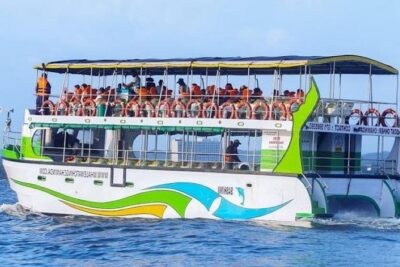
Whales and Dolphins Watching-Luxury Super Grade Cruiser(Hotel Pick up offered)
Our review of this trip →Trincomalee: Whales Watching and Navy Island Snorkeling Tour
Our review of this trip →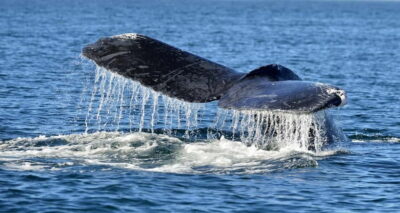
Trincomalee: Whale & Dolphin Safari Tour with Expert Guides
Our review of this trip →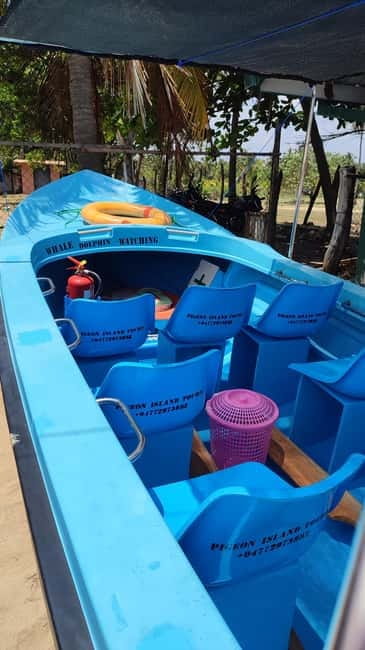
Trincomalee: Dolphin & Whale Watching Boat Tour
Our review of this trip →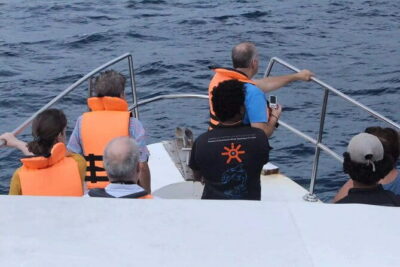
All Inclusive Mirissa Whale and Dolphin Watching Boat Ride
Our review of this trip →
Mirissa: Whale & dolphin Watching Boat Tour with Breakfast
Our review of this trip →
Whale & Dolphin Watching Tour in Trincomalee | Scenic Boat Ride
Our review of this trip →
Mirissa: Whale & Dolphin Watching Trip with Private Transfer
Our review of this trip →Browse the lists this tour appears in