
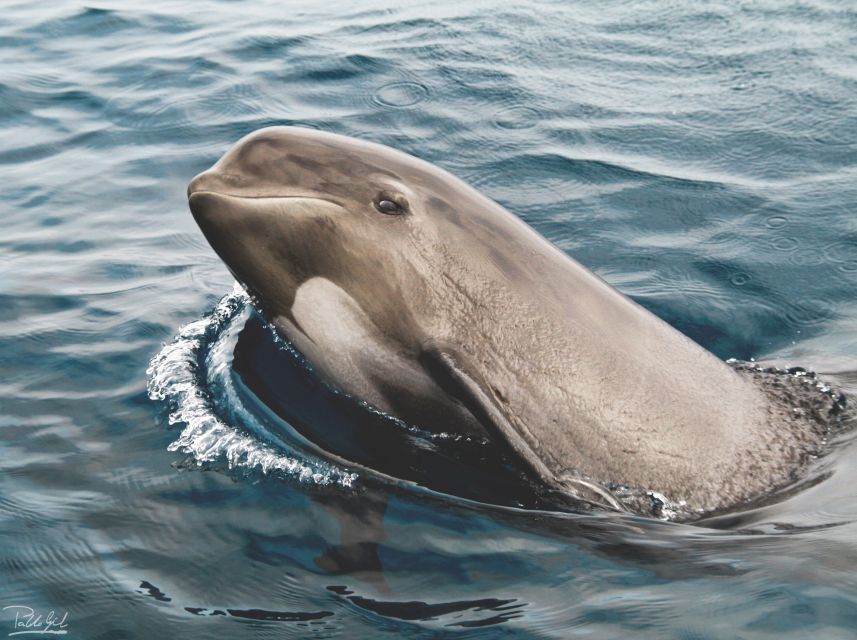
Review · SPAIN
Tarifa: Whale & Dolphin Watching in the Strait of Gibraltar
The best part of this Tarifa whale-watching cruise is the setting: you are sailing through the Strait of Gibraltar, a busy marine passage where dolphins and several whale species move through their natural habitat. When the animals appear, they may swim beside the boat, pass underneath it, or gather in large family groups.
I like the strong focus on responsible wildlife viewing, and I like that the guides explain migration routes rather than treating the trip as a simple ride. The main drawback is the sea. Even a fairly large boat can roll in rough water, and some trips spend a long time searching before anything appears.
Key things to know before you book
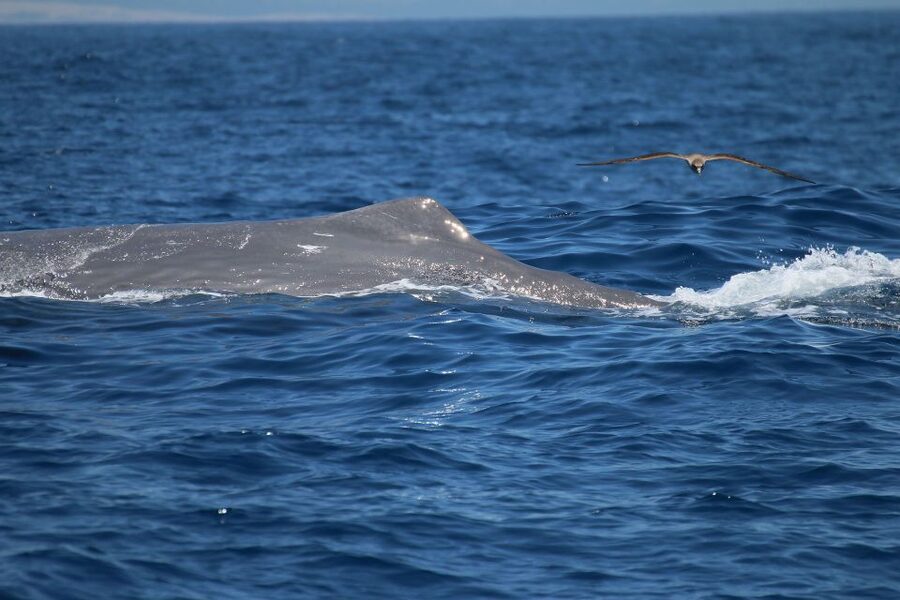
- Seven possible cetacean species: Keep watch for common, striped, and bottlenose dolphins, plus pilot, fin, and sperm whales.
- Two hours on the water: The cruise gives you enough time to search the Strait without taking up an entire day.
- A second chance if needed: If no whale or dolphin is seen, the operator offers another opportunity.
- Guides speak Spanish and English: Adriana has led trips praised for clear explanations and lively commentary.
- Sea-sickness preparation matters: Bring a jacket and consider asking the staff about sea-sickness tablets before departure.
- Wildlife rules are taken seriously: No feeding, touching, loud noise, or flash photography, and the boat follows Spanish and ACCOBAMS regulations.
Setting out from Tarifa and into the Strait
You meet at the Turmares Whale Watching office in Tarifa. The activity begins with about 30 minutes at the starting point for check-in, a safety briefing, and free time. This is also when you can ask practical questions before heading out.
Allow extra time to reach the office. Parking around Tarifa can be difficult, and one recent party arrived late because of the parking problem. The crew waited for them, but that is not something you should count on. Arriving early also gives you time to ask about sea conditions.
The Strait of Gibraltar is the reason this trip is more than a standard dolphin cruise. It links the Atlantic Ocean and Mediterranean Sea, and marine animals use this passage as they move between feeding and breeding areas. The boat gives you broad views of the Spanish coast and the waterway toward Gibraltar, while your guide explains how local species use the Strait.
I like this opening because the scenery does some of the work even before the first sighting. Still, the scenery is not the main event. You are here to watch wild animals, and that means the order and length of sightings cannot be controlled.
More Whale and Dolphin Watching Tours in Spain
- Tenerife: Eco-Yacht Whale and Dolphin Watching and Swimming
★ 4.7 · 15,619 reviews - Los Cristianos Respectful No-Chase Whale and Dolphin Safari
★ 4.6 · 12,782 reviews - Costa Adeje: Whale & Dolphin Eco-Cruise with Snacks & Drinks
★ 4.6 · 5,096 reviews
What the two-hour cruise feels like
Once underway, the crew searches the water while the guide points out marine life and explains what you are seeing. Common dolphins, striped dolphins, and bottlenose dolphins are among the most likely targets, while pilot whales, fin whales, and sperm whales are also possible.
The experience can change quickly. One trip may spend its first hour on a bobbing boat with nothing but open water, then come upon a large group of pilot whales and dolphins. On another outing, you may see many dolphins but no whales. One April trip recorded sperm whales and pilot whales, while an August trip produced several kinds of dolphins but no whale sighting.
That unpredictability is part of the bargain. You are not visiting an aquarium with a scheduled animal appearance. You are watching wildlife in open water, and the most memorable moments may last only a short time. When a pod stays beside the vessel, though, the payoff can be remarkable. Pilot whales have been seen swimming very close to the boat for an extended period, and dolphins have passed around and beneath the vessel.
The boat itself is described as basic rather than luxurious. It is also large enough to hold a decent number of people without feeling overly crowded on some departures. A glass-bottom viewing area has been available on at least one trip, giving you another way to see animals near the hull. Because boat arrangements can vary, I would treat that feature as a pleasant possibility rather than the main reason to book.
The animals you may see
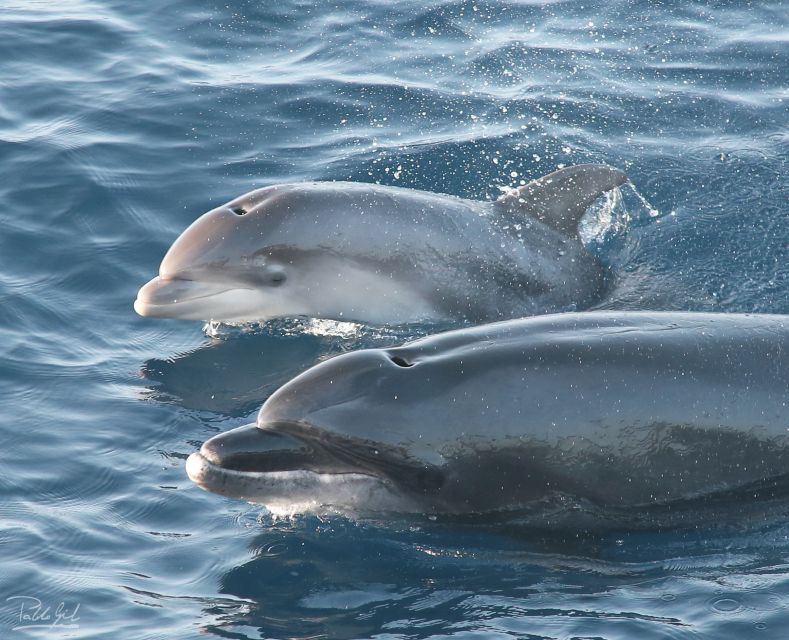
The tour advertises up to seven cetacean species. That list gives you a useful sense of the Strait’s variety, but it is not a promise that you will see every species on one two-hour sailing.
Common dolphins are among the animals you may spot moving in groups across the surface. Striped dolphins and bottlenose dolphins are also possible. Their size, markings, and swimming patterns differ, so a guide can help you tell them apart.
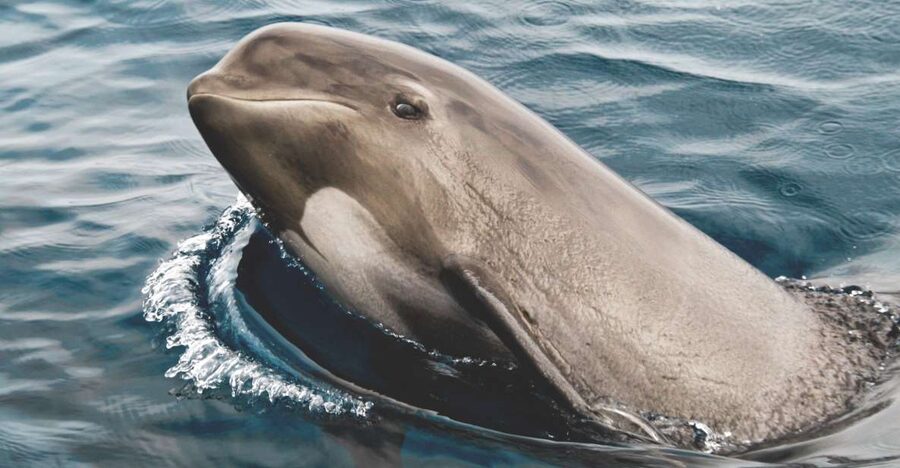
Pilot whales are a frequent highlight of the experience. They can appear in family groups and may stay close to the boat. Several outings recorded large groups, including one where pilot whales remained near the vessel for a long time.
Fin whales and sperm whales are less predictable sightings, but they have been seen. A report from October included both fin whales and pilot whales, while a spring trip recorded sperm whales. You might also spot a turtle, as one outing did, but turtles are not the focus of the tour.
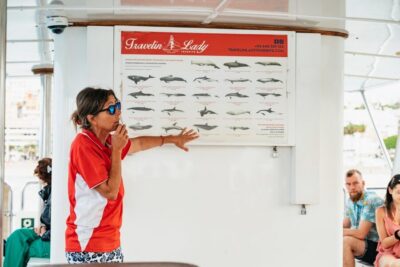
The guide’s role matters here. A good sighting is not just a quick fin in the distance. You want help identifying the animal, understanding why it is in the Strait, and knowing where to look next. Adriana has been specifically praised for giving clear explanations and staying engaged with people on board. The guides also discuss migration routes and animal behavior, which adds substance to the trip.
Responsible viewing in a busy marine passage
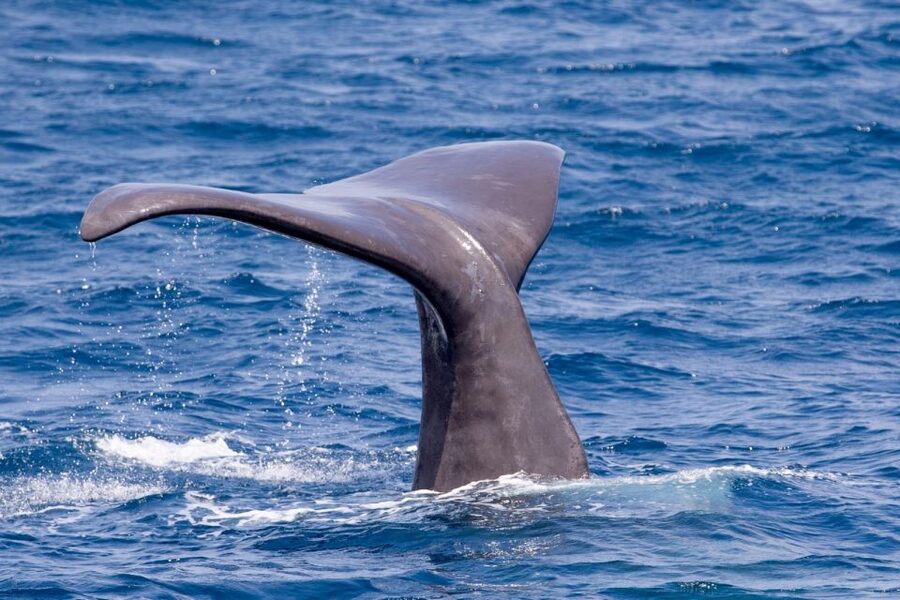
Turmares says it follows Spanish legislation and ACCOBAMS regulations, including rules on approach distance and boat speed. The crew is expected to avoid disturbing the animals, and this is reflected in the instructions given before and during the cruise.
You should not use flash photography, feed the animals, touch them, or make unnecessary noise. These rules are sensible, but they also shape the experience. The captain may pull away from a pod that seems uneasy, even if staying nearby might give you a closer photograph.
I see that as a good trade. The purpose is to observe wild creatures, not force an encounter. One trip included a moment when the crew moved away from a pod that appeared anxious near the boat. That kind of restraint can be disappointing if you are hoping for a close view, but it shows that animal welfare is not just a line in the description.
Bring a camera if you like, but keep it ready without relying on flash. A phone can capture a fin or a group of dolphins, yet you should first watch with your own eyes. The sightings can happen on either side of the boat, so stay alert and listen to the guide rather than focusing only on your screen.
Same water, a different boat:
- Benalmadena: Dolphin Watching Boat Tour
★ 4.4 · 5,786 reviews - Gran Canaria: Catamaran Dolphin Watch Cruise with Snorkeling
★ 4.4 · 4,761 reviews - Los Gigantes: Dolphin & Whale Watching Cruise with Swim Stop
★ 4.7 · 4,539 reviews - Morro Jable: Dolphin & Whale Watching Cruise, Drinks & Swim
★ 4.1 · 4,158 reviews
Sea conditions, comfort, and what to wear
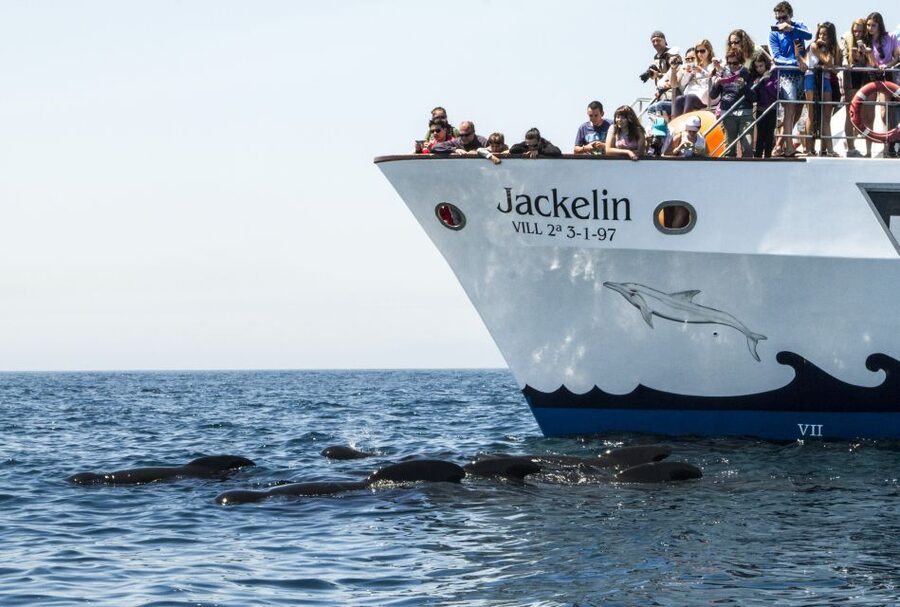
The Strait can be rough. A large boat may reduce some of the movement, but it will not remove the motion entirely. Several trips have been comfortable, while another was described as a bobbly boat for the first hour.
If you are prone to sea sickness, ask the office staff about tablets before boarding. One party did exactly that and was glad to take the advice. This is particularly useful because the trip is short enough to seem easy, but two hours of rolling water can feel long if your stomach is unsettled.
Wear comfortable shoes with a secure sole. Take a sun hat and sunscreen, since you will be exposed on the water. A jacket is important even on a warm day, as the wind can feel cooler once the boat is moving.
Food and drinks are not included. Snacks and drinks may be available for purchase, but you should not depend on that. Bring water, especially if you are taking sea-sickness medication or expect to be outside for the full cruise.
The boat is not presented as a luxury vessel. Think practical seating, open-water views, and a working wildlife boat rather than a polished sightseeing yacht. That fits the nature of the trip, but it is worth knowing if comfort and onboard service matter more to you than the chance to see animals close to their home waters.
Breaking down the schedule
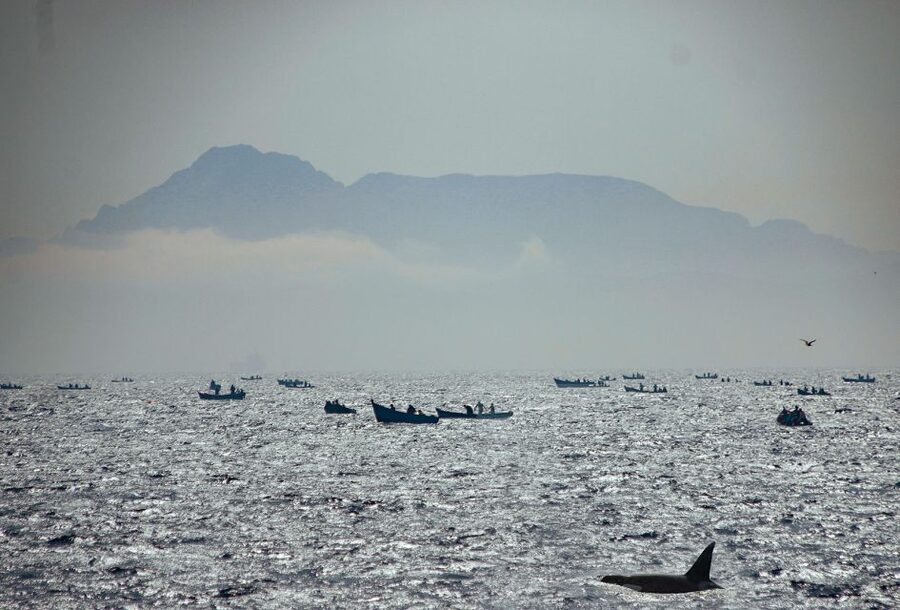
The first 30 minutes at Turmares are useful for the safety briefing and orientation. You have time to get settled, ask questions, and hear the basic rules before leaving Tarifa. If you arrive early, you can also handle parking and check-in without rushing.
The main cruise takes about two hours. The guide watches for signs of cetaceans, explains the marine environment, and directs your attention when something appears. You will have time for sailing, animal watching, and views across the Strait.
The trip returns to the same Turmares location. There is no hotel pick-up or drop-off, so you arrange your own way to Tarifa and the office. The activity is wheelchair accessible, though you may want to confirm any personal boarding needs before booking.
The timing can vary slightly. One afternoon sailing scheduled for 4:30 p.m. returned at about 6:50 p.m. That is close to the advertised duration, but you should avoid scheduling an immediate connection afterward.
Is $53 a fair price?
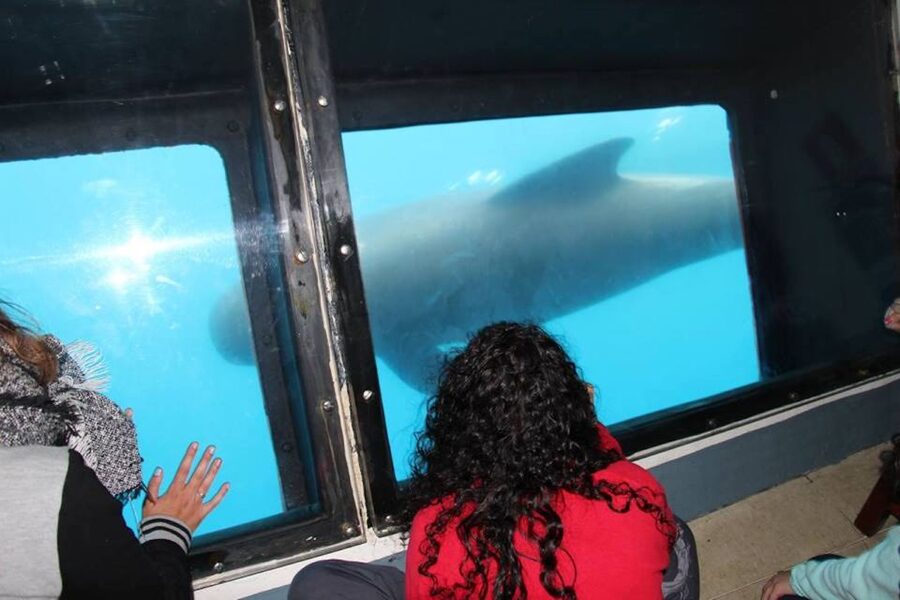
At $53 per person, the price is reasonable for a two-hour guided wildlife cruise, especially because it includes the guide and the boat trip without extra entry fees. You are paying for access to a protected marine area, crew searching, safety procedures, and interpretation of the animals and their routes.
The value depends on what you want from the outing. If you need a guaranteed whale sighting, no wildlife cruise can offer that. If you are happy to see dolphins, enjoy the Strait, and accept that whales are possible rather than certain, the price makes more sense.
The second-chance policy improves the value. If no cetacean appears, you receive another opportunity. You should confirm the details of that arrangement when booking, but it gives the trip a useful safety net.
A two-hour tour also fits neatly into a Tarifa day. You can combine it with time in town, a meal, or other sightseeing without surrendering the whole day. If seeing whales is your top priority and you want more searching time, note that one past booking specifically wished they had chosen a three-hour option because whale sightings can require extra time. The shorter cruise is the better choice for a compact schedule, while a longer sailing may suit you if wildlife is the main purpose of your visit.
Who will enjoy this trip most?
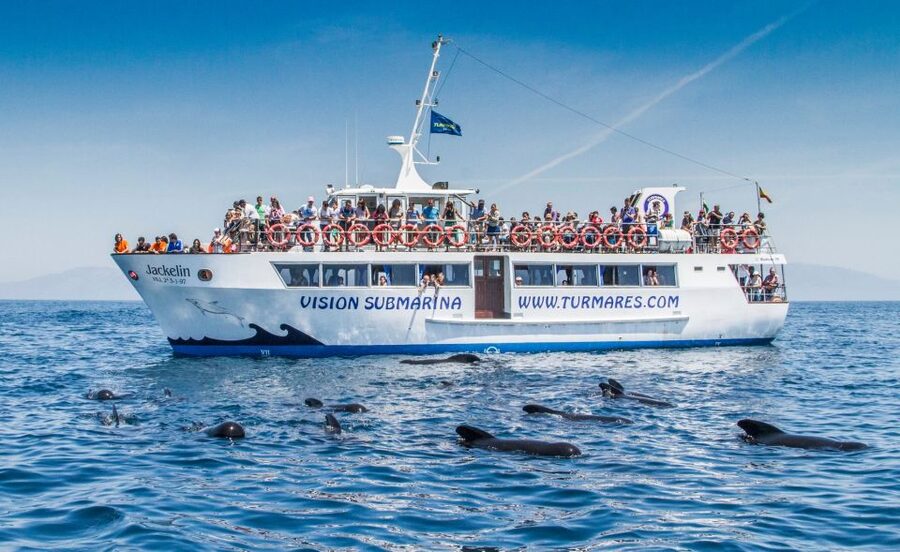
I would recommend it to families, couples, and solo visitors who enjoy nature but do not need a luxury boat. A group ranging from a 21-month-old child to a 67-year-old adult once enjoyed the outing, suggesting that the activity can work for a wide age range when sea conditions cooperate.
Children may enjoy the excitement of dolphins appearing close to the boat, but the motion and open water can be tiring. Bring sun protection, water, and a jacket, and be ready for periods with no sightings.
It is also a good fit if you care about responsible wildlife watching. The crew’s willingness to pull away from an uneasy pod matters more than getting the closest possible photograph.
You may want to reconsider if you become very uncomfortable on boats, dislike waiting, or need a fixed timetable. Even a successful outing can involve a long search before the animals show themselves.
Booking, cancellation, and languages
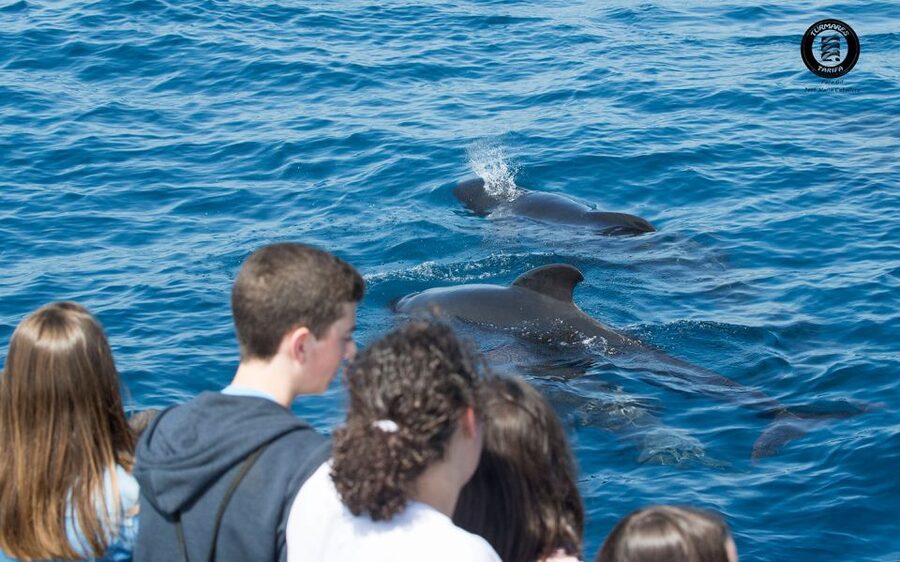
The tour is offered with Spanish and English-speaking guides. You can cancel up to 24 hours before departure for a full refund, and the reserve-now, pay-later option keeps your plans flexible.
The meeting point is Turmares Whale Watching in Tarifa. Hotel transport is not included, so you need to reach the office independently. The activity lasts two hours, but allow additional time for check-in, the safety briefing, parking, and the return to shore.
Should you book the Tarifa whale-watching cruise?
Book it if you want a well-priced chance to see dolphins and whales in the Strait of Gibraltar, and if you value a careful approach to wild animals. The strongest reasons are the variety of possible species, the capable guides, and the chance to see pilot whales or dolphins close to the boat.
Go in with realistic expectations. You may see several species, or you may spend much of the trip searching. Prepare for movement, bring a jacket and water, and consider sea-sickness tablets if you need them. If no cetaceans appear, use the second-chance option.
For a short, practical wildlife outing from Tarifa, I think it is a good choice. If you want the best odds of a longer whale search, compare the two-hour trip with the three-hour alternative before paying.
FAQ
Where does the whale-watching tour start?
The tour starts at Turmares Whale Watching in Tarifa, Andalusia, Spain.
How long does the cruise last?
The whale and dolphin cruise lasts two hours. The schedule also includes about 30 minutes at the Tarifa starting point for free time and a safety briefing.
What animals might I see?
You might see common, striped, and bottlenose dolphins, along with pilot whales, fin whales, and sperm whales. A turtle has also been seen, but sightings are not guaranteed.
Is a whale or dolphin sighting guaranteed?
No. The tour has a high likelihood of seeing a whale or dolphin, but wildlife sightings cannot be guaranteed. If you do not see any cetacean, you receive another chance.
What languages does the guide speak?
Guides provide the tour in Spanish and English.
Is the activity wheelchair accessible?
Yes, the activity is listed as wheelchair accessible.
Is food or drink included?
No. Food and drinks are not included. Snacks and drinks may be available to buy, but bring water if you need it during the cruise.
What should I bring?
Bring comfortable shoes, a sun hat, sunscreen, and a jacket. Sea-sickness tablets may also be useful if you are sensitive to boat movement.
What wildlife rules must I follow?
You may not use flash photography, feed the animals, touch them, or make unnecessary noise. The operator follows distance and speed rules set by Spanish legislation and ACCOBAMS.
Just added on the water around Spain
- Always private 4 hour – Sail- dolphin Yacht Charter-paddle★ 4.5 · 7 reviews
- Algeciras: Dolphin and whale watching in reduced groups★ 5.0 · 4 reviews
- Alcudia: Dolphin Watching at Sunrise with Speedboat★ 4.9 · 16 reviews
- Tenerife: Luxury Private Whale & Dolphin Watching Tour★ 4.9 · 14 reviews
- Tenerife: 3 &-6 Hour Private Whale & Dolphin Watching★ 4.9 · 45 reviews
- Private Sailing – dolphin Experience Estepona – drink & food – 4h★ 4.5 · 47 reviews
- Kayak with Dolphin & Turtle Watching Private Tour★ 4.5 · 44 reviews
- Private Yacht Tour With Whale and Dolphin Watching 33 Foot Boat★ 5.0 · 17 reviews
Spain Dolphin Watching Tours, compared.
Eco-Yacht Whale and Dolphin Watching and Swimming
Our review of this trip →
Los Cristianos Respectful No-Chase Whale and Dolphin Safari
Our review of this trip →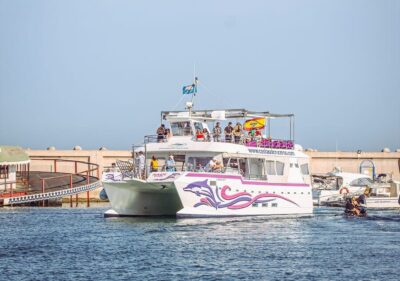
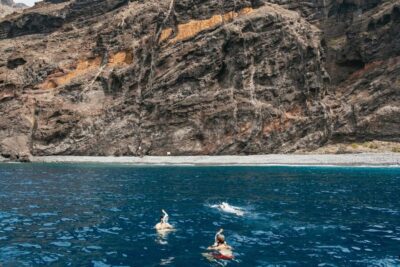
Whale & Dolphin Eco-Cruise with Snacks & Drinks
Our review of this trip →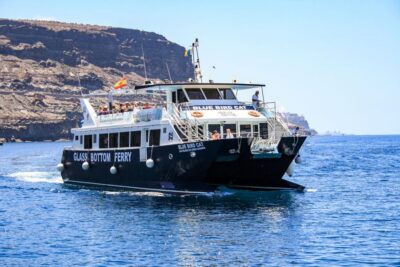
Catamaran Dolphin Watch Cruise with Snorkeling
Our review of this trip →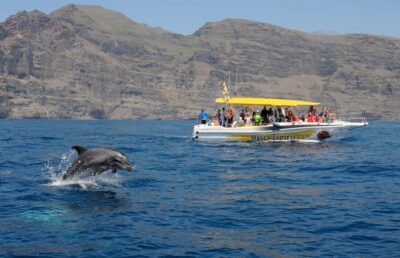
Dolphin & Whale Watching Cruise with Swim Stop
Our review of this trip →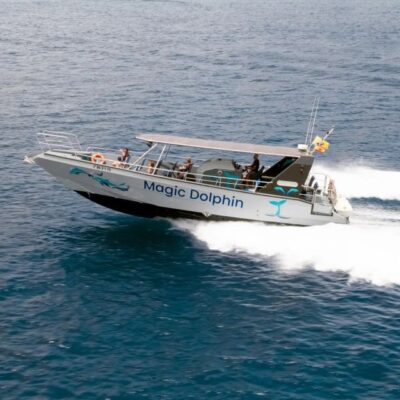
Morro Jable: Dolphin & Whale Watching Cruise, Drinks & Swim
Our review of this trip →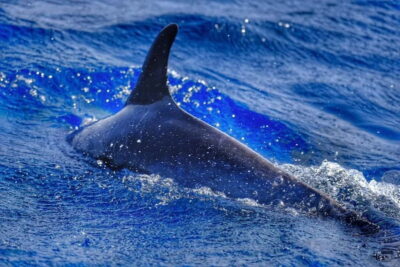
From Morro Jable: Dolphin and Whale Watching and Snorkelling
Our review of this trip →Browse the lists this tour appears in