
Review · FLORIDA
Fort Pierce: 4-hr Mangroves & Dolphin Watch Sandbar in FL
The best part of this Fort Pierce outing is the change of pace: you spend the first half moving under your own power through calm mangrove-lined water, then let an electric motor handle much of the return. It gives you time to watch for dolphins, manatees, rays, birds, and fish instead of treating the whole four hours as a workout.
I like the small group of no more than eight, which should make it easier to hear the guide and ask questions. I also like the sandbar stop, where you can swim, wade, or rest on your kayak while the guide sets up the motor. The main consideration is that wildlife sightings and the sandbar stop depend on natural conditions, and the outing may not suit anyone with heart, back, breathing, or other pre-existing medical problems.
Key points to know before you book
- Two miles of paddling and two miles by electric motor: You get active time on the water without having to paddle for all four hours.
- Mangrove island close-up: The route brings you near mangrove trees, sea birds, plants, fish, and other small marine life.
- Sandbar stop depends on the tide: You may swim, wade, or relax if water levels make the stop practical.
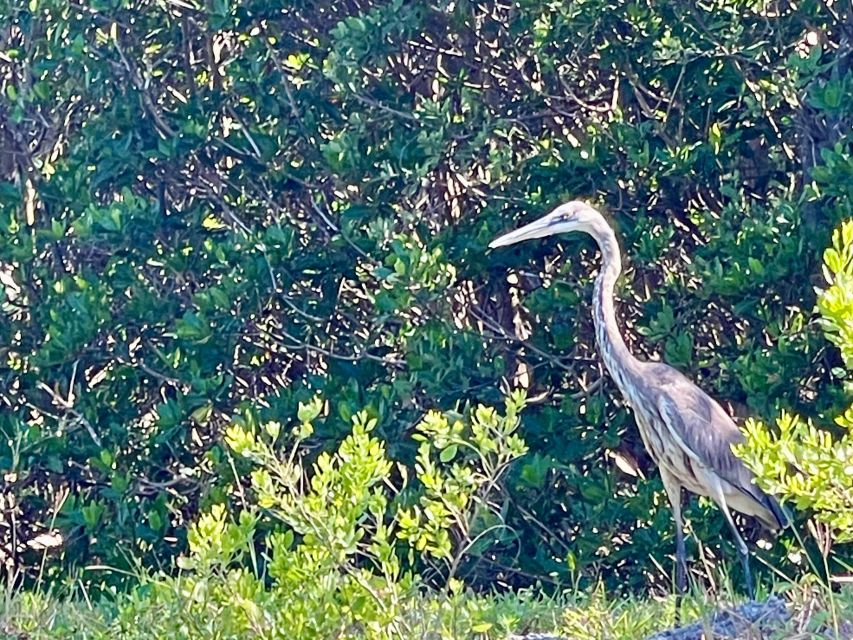
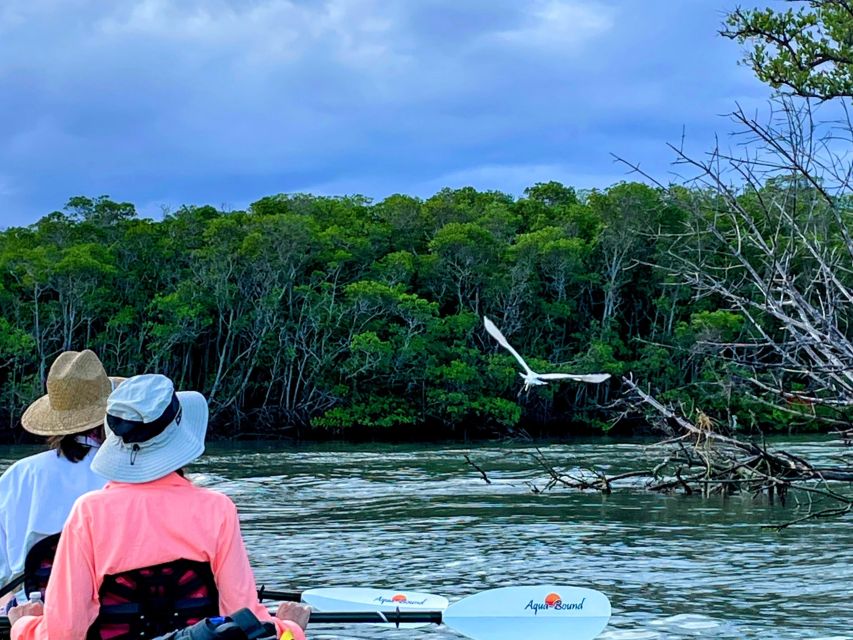
- Wildlife watching is central: Keep an eye out for snowy egrets, great egrets, pelicans, ibises, dolphins, manatees, stingrays, and eagle rays.
- Premium kayak equipment: Kayaks have room for children, high-back support chairs, light carbon fiber paddles, life vests, and dry bags.
- Family bookings have a firm rule: There must be one adult for each child on the reservation.
Why this Fort Pierce kayak trip works so well
Fort Pierce sits on Florida’s Treasure Coast, where lagoon water, mangrove islands, and the Intracoastal environment create a good setting for a close look at coastal nature. This is not a fast sightseeing ride. The appeal comes from moving slowly enough to notice what usually gets missed: a bird standing at the edge of the water, fish below the kayak, or the shape of a mangrove root holding the shoreline together.
You cover about four miles in total. Roughly two miles are paddled, and the remaining two miles use an electric propulsion motor. That split matters. You still get the satisfaction of kayaking and the quiet feel of human-powered travel, but you are not committed to a full four-hour paddle.
I find this arrangement especially useful for mixed groups. One person may want an active outing, while another prefers to focus on birds and scenery. The motor-powered return gives everyone a chance to settle into observation after the first part of the route.
The activity is led in English and limited to eight participants. A small group is a real advantage in a mangrove setting, where a large crowd would make it harder to hear explanations and easier to miss small wildlife. The guide points out ecology, local history, and the role of the lagoon rather than simply steering you from one stop to the next.
More dolphin watching tours in the USA:
- Little Toot Dolphin Adventure at Clearwater Beach
★ 5.0 · 5,594 reviews - Shell Island Snorkel and Dolphin Catamaran Cruise with Island Time
★ 5.0 · 4,362 reviews - Maui Eco-Raft Tour: Eye-Level Whale or Dolphin Watching – Lahaina
★ 5.0 · 2,482 reviews
Starting at Pepper Beach Park
Your meeting point is the Pepper Beach Park Riverside Kayak Launch. Drive through the main parking lot, continue down the drive past the restroom facility, and look for the launch area. It is across the road from the Navy Seal Museum.
That location detail is worth saving before you go. The meeting point is not simply described as the museum itself, so allow enough time to enter the park and reach the launch. If you use what3words, the location is ///elects.kayak.peacekeeping.
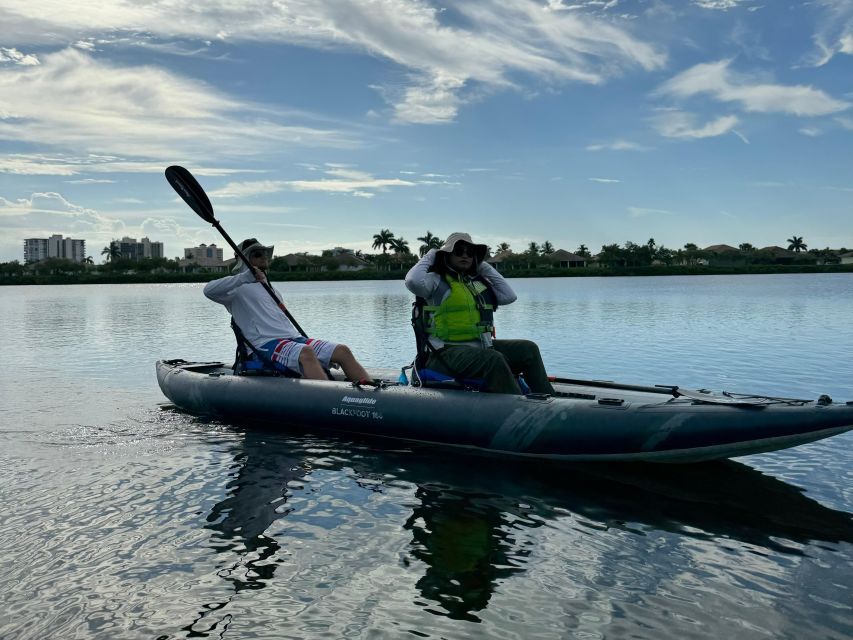
The tour includes the kayak, paddle, life vest, and dry bags. The kayaks are 13 or 16 feet long and have plenty of room for children. They also come with high-back support chairs, a useful feature during a four-hour outing. The carbon fiber paddles weigh only 28 ounces, so they should feel less tiring than heavier paddles during the active section.
You should still arrive prepared to paddle. The motor does not replace the first two miles, and your own comfort on the water will shape how much you enjoy the trip. Bring breathable clothing, sunglasses, a hat, water shoes, and biodegradable sunscreen. Swimwear and a change of clothes make sense because the sandbar stop can include wading or swimming.
Paddling through the Treasure Coast lagoon
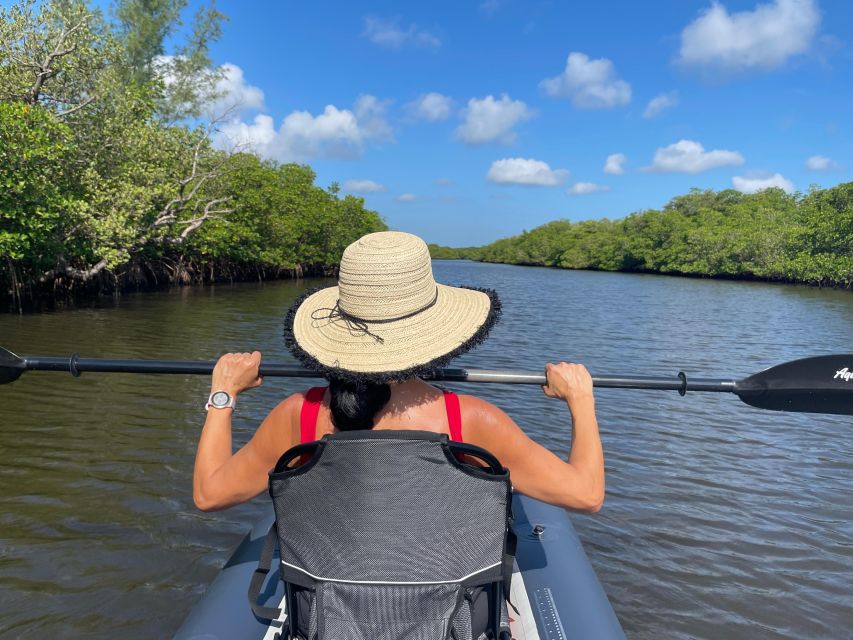
The opening section takes you across calm lagoon water toward a mangrove island. The word calm should not be mistaken for completely effortless. Wind, tide, and weather can affect any water outing, but the route is designed around a sheltered coastal setting rather than open ocean conditions.
This is where you get the clearest sense of how a mangrove system works. Mangroves are not just attractive trees along the shore. Their roots help hold the coast in place, provide shelter for small marine life, and create a protected nursery area for creatures that later move into larger waters.
Your guide explains these connections as you travel. I appreciate that kind of context because it turns a pleasant paddle into something you can understand. Instead of seeing a wall of roots, you begin to notice how the trees shape the water and why so many fish and birds use the area.
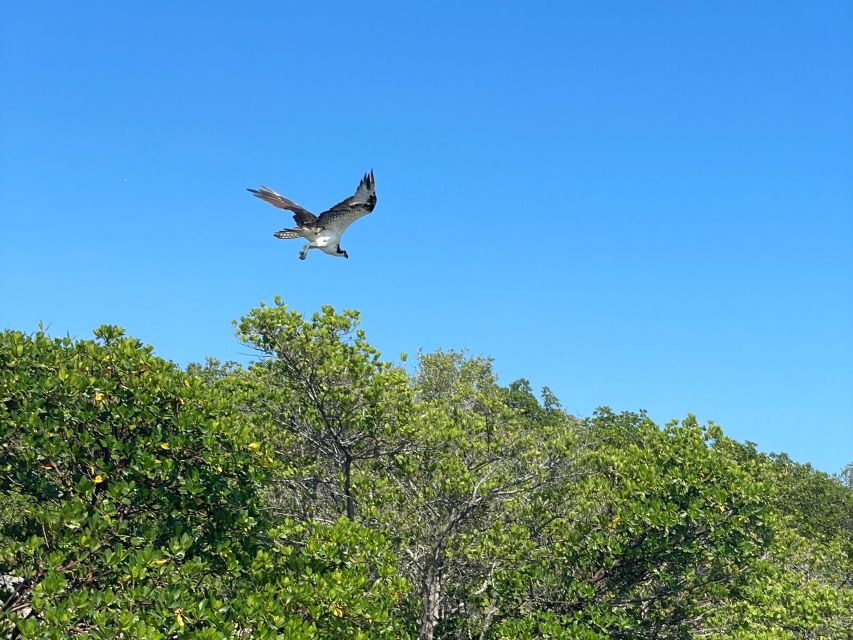
The kayaks let you travel close to the edge of the island. That puts you near the mangrove trees, plants, and small marine creatures without requiring a long hike or a separate boat ride. You may see fish moving below the surface and birds working along the shoreline. The slow pace gives you a better chance to spot small details than a faster motorboat tour would.
You will want to keep your camera ready, but do not spend the entire paddle looking through a screen. Wildlife is unpredictable, and a brief movement may be all you get. A pair of binoculars can help with birds, though compact ones are easier to manage around water.
Bird watching among the mangroves
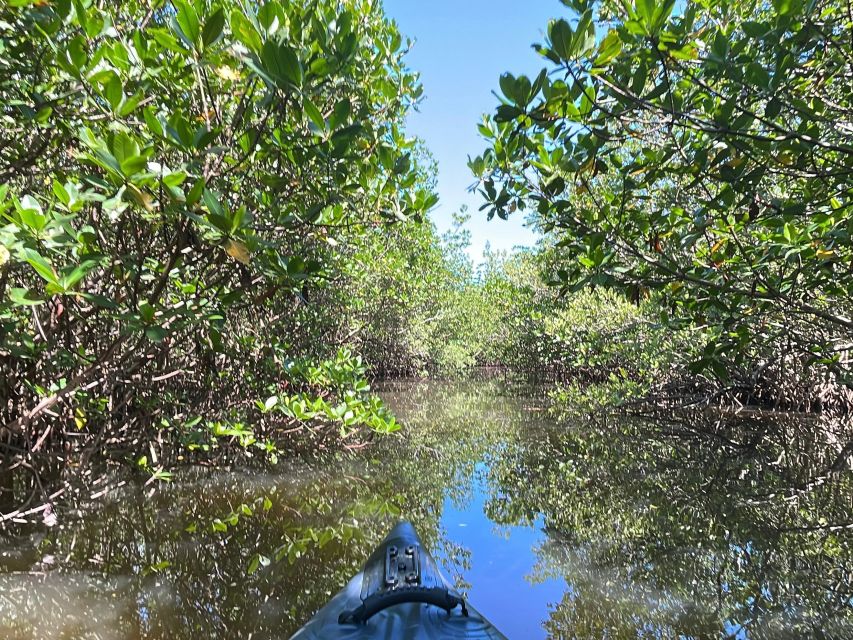
The lagoon supports a useful mix of coastal and wading birds. The species listed for the route include snowy egrets, great egrets, pelicans, and ibises. Each gives you a different look at the shoreline.
Egrets can be easy to miss because they blend into the bright edges of the water. Pelicans are more obvious, while ibises often draw attention with their unusual shape and feeding habits. Your guide can help you sort out what you are seeing and explain how birds use the lagoon for food and shelter.
This is not billed as a specialist birding expedition, so you should not expect a guarantee of every species. Conditions, timing, and animal behavior all matter. Still, the setting gives you a fair chance to see several kinds of birds in a natural coastal habitat, which is more rewarding than viewing them as passing scenery.
If bird watching is your main reason for booking, bring binoculars and keep your expectations flexible. The value is in being on the water within their habitat, not in checking off a fixed list.
Same water, a different boat:
- Dolphin and Manatee Stand Up Paddleboard Tour in Daytona Beach
★ 5.0 · 2,328 reviews - Jekyll Island Dolphin Tours
★ 5.0 · 2,242 reviews - Clearwater Encounters with Dolphins Tour
★ 5.0 · 2,185 reviews - Dolphin and Manatee Adventure Tour of Fort Myers
★ 5.0 · 2,167 reviews
Reaching the mangrove island
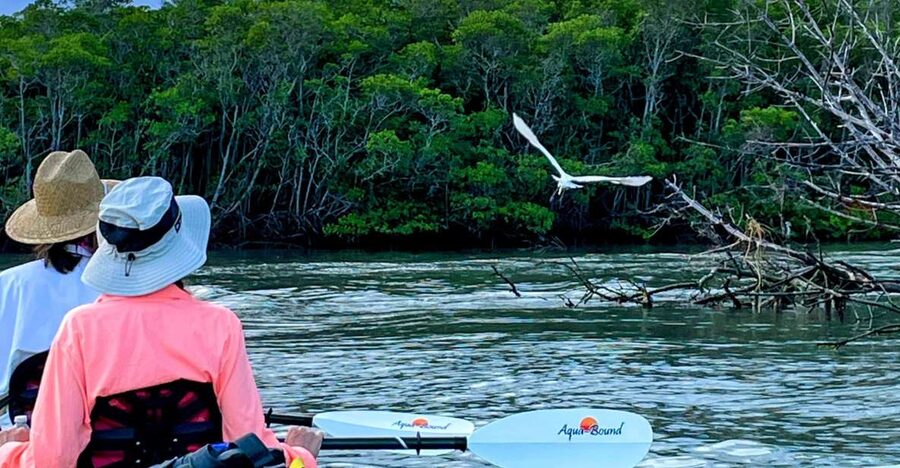
The mangrove island is the most educational part of the route. You get close to the trees and see how their roots, branches, and surrounding shallows create a working coastal system.
The guide also covers local history, adding a human layer to the natural setting. The supplied details do not name the guide, so I cannot tell you who will lead your departure. What you can count on is an English-speaking live guide who explains the ecology, wildlife, and local area as the group moves along.
Expect the island portion to be observational rather than a demanding shore excursion. The experience centers on getting near the mangroves by kayak and learning about the plants and animals around them. That makes it a good choice if you want nature without a strenuous trail or a full-day commitment.
Mangroves also make this setting different from a standard beach outing. A beach gives you open views and sand. Mangroves offer shade, narrow edges, roots, sheltered water, and a closer look at the small creatures that support the wider lagoon system.
Watching for dolphins, manatees, and rays
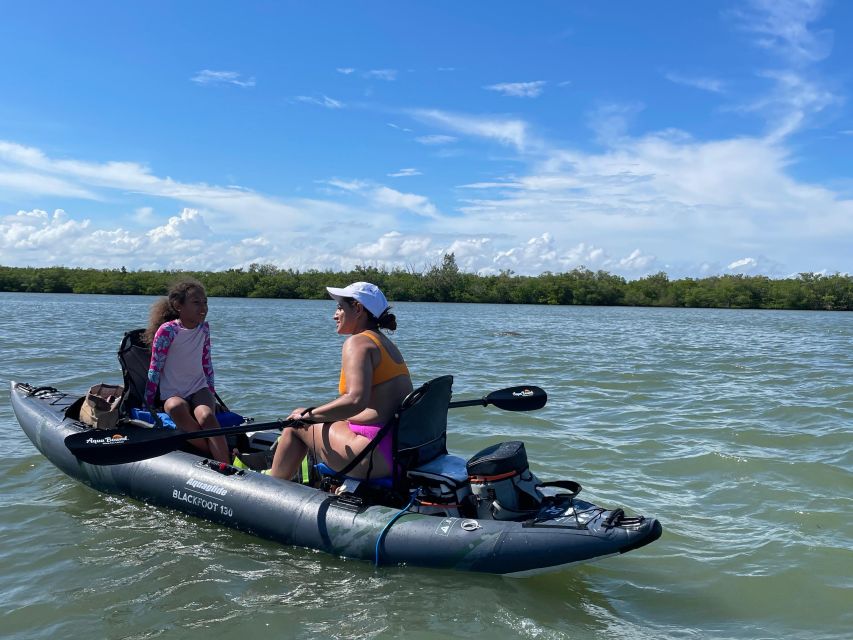
The tour gives you the chance to watch for dolphins and manatees in their natural environment. Stingrays and eagle rays also frequent the sandbar area. These are possible sightings, not scheduled performances, so I would book this for the chance to observe wildlife rather than for a promise of a close encounter.
That distinction helps set the right mood. You may see a dolphin surface, a manatee move through the water, or a ray pass beneath you. You might also spend time scanning the lagoon without seeing a large animal. The guide can take you to good areas, but no one can control wild creatures.
The kayak is a useful platform for this kind of watching. You sit close to the water and move quietly, with no engine running during the paddle section. Keep your movements steady and avoid assuming that every ripple means an animal. Sometimes the best part is simply learning to watch the water carefully.
Do not feed, touch, or chase wildlife. The experience is built around seeing animals where they live, and giving them space is part of doing that responsibly.
The tidal sandbar stop
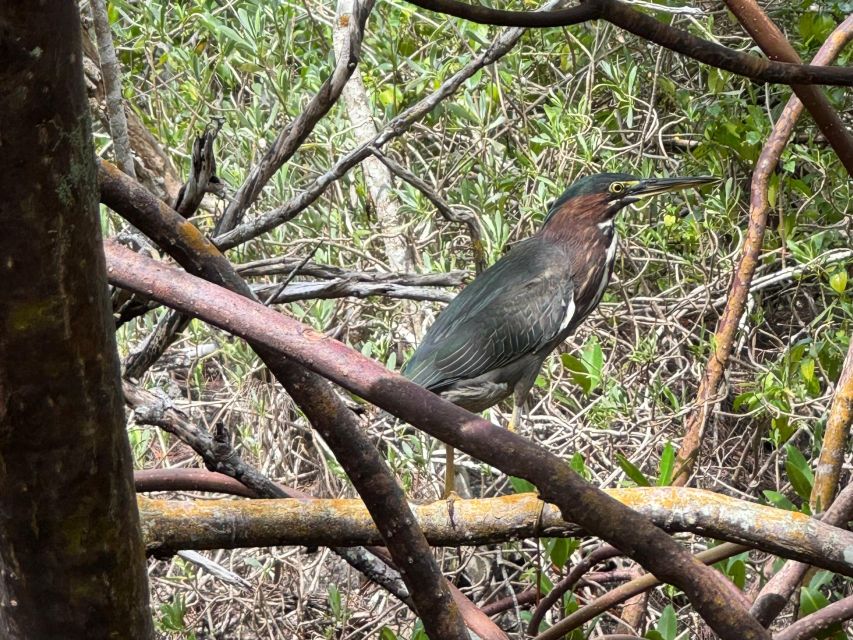
The sandbar provides the trip’s main break. If tidal conditions are favorable, you can wade, swim, or relax on your kayak. The stop is in the heart of the lagoon, so it offers a pleasant change from the narrow mangrove edges.
The wording about tides is important. You should not treat the sandbar as a guaranteed dry beach with a fixed schedule. Water levels may affect how much of it is exposed and whether swimming or wading makes sense. Pack swimwear, water shoes, a towel or change of clothes, and sun protection so you are ready if conditions cooperate.
This is also where the guide installs the electric propulsion motor for the return trip. That practical detail gives the stop a second purpose. While you rest, the equipment is prepared, and you do not lose a separate chunk of tour time to setup.
Keep an eye out for stingrays and eagle rays in the area. If you enter the water, move carefully and follow the guide’s instructions. The presence of rays is part of the natural setting, not a reason to handle or approach them.
The sandbar works best as a flexible pause. You can swim if you want activity, wade if you prefer to stay shallow, or remain in the kayak and enjoy the view. That choice makes the stop easier for a mixed group.
Returning by electric propulsion
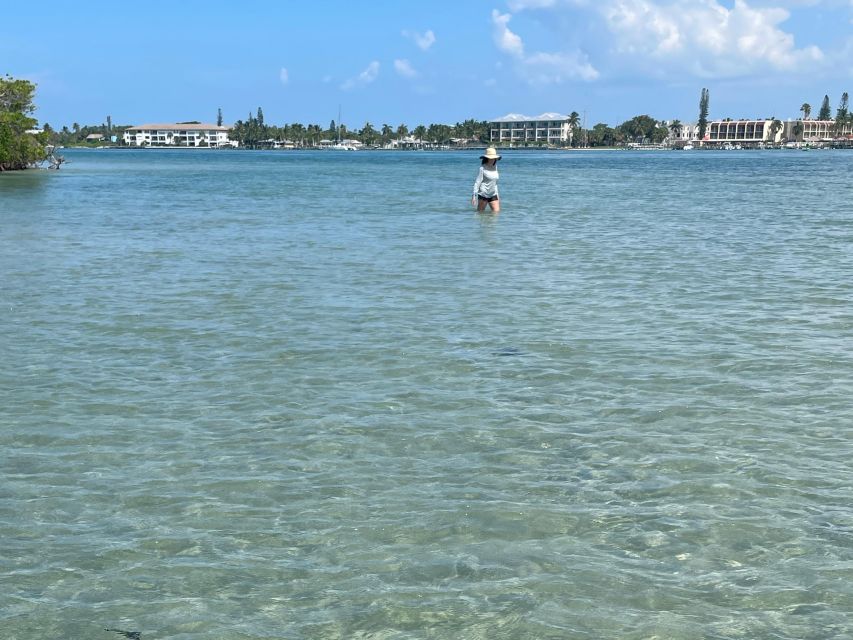
After the break, the group travels back using the electric propulsion motor. This is more than a novelty. It reduces the physical demand at the point when your arms may be tired and lets you pay closer attention to the lagoon.
You can use the return to watch the shoreline from a different angle. The same mangroves may look different when you are no longer concentrating on each paddle stroke. It is a good time for more bird watching, quiet conversation, and photography.
The motor does mean the experience is not a pure, all-paddle kayak trip. If you want a workout from start to finish, you may prefer an outing built around continuous paddling. If you want a balance of effort and comfort, the two-part format is more practical.
The total duration is four hours, enough time to make the route feel worthwhile without taking an entire day. Starting times vary, so check availability for the date you want. Bring food and drinks because they are not included, and carry water for the full outing.
Price, equipment, and overall value
At $89 per person, this tour is priced as a guided small-group nature outing rather than a simple kayak rental. You are paying for four hours, instruction, wildlife interpretation, premium equipment, the mangrove route, the sandbar stop, and the electric-powered return.
The equipment package strengthens the value. You receive a 13- or 16-foot kayak, high-back support chair or chairs, lightweight carbon fiber paddles, a life vest, and dry bags. You do not need to arrange a separate rental or bring your own safety gear.
The small group also matters. With a maximum of eight participants, the guide has a better chance of keeping the group together and answering questions. It should feel more personal than a large launch with dozens of kayaks, though group size can still vary up to the stated limit.
Food and drinks are not included, so budget a little extra for what you bring. The reserve-now, pay-later option can help if your schedule is still changing, and free cancellation is available up to 24 hours before the activity for a full refund.
Who should book this outing
I would recommend it to adults, families with the required adult-to-child ratio, and anyone who wants a gentle introduction to Florida’s lagoon ecology. It suits you if you care more about wildlife, scenery, and local explanation than speed or athletic challenge.
Families need to plan carefully. The operator requires one adult for every child on the reservation: one adult and one child, two adults and two children, and so on. The booking system will not accept more children than adults.
The activity is listed as wheelchair accessible, but the supplied details do not explain the exact transfer arrangements or kayak setup. If you use a wheelchair, contact the provider before booking so you can confirm how accessibility works at the launch and on the water.
You should not book if you have respiratory issues, heart problems, back problems, a cold, or another pre-existing medical condition. Kayaking and time outdoors can place demands on your body even when the water is calm. If you have any doubt, get medical advice before reserving.
What to pack for four hours on the water
Bring water, food, insect repellent, a camera, binoculars, breathable clothing, swimwear, sunglasses, a change of clothes, biodegradable sunscreen, a hat, and water shoes. A dry change of clothing is particularly sensible for a trip that may include wading or swimming.
The operator also asks you to bring a passport or ID card and cash. Keep valuables limited, and use the supplied dry bags for items that must stay dry.
I would put sunscreen on before launch and reapply as needed. A hat and sunglasses will make the open-water portions more comfortable, while insect repellent can help around the mangroves. Do not forget that the tour takes place outdoors for four hours, not just during the active paddling section.
Should you book the Fort Pierce mangrove tour?
Book it if you want a small-group kayak experience that combines wildlife watching, mangrove ecology, and a flexible sandbar break. The two-mile paddle followed by two miles with electric assistance gives you a nice middle ground between exercise and relaxation.
Skip it if you need guaranteed dolphin sightings, a guaranteed exposed sandbar, or a hard paddling workout. Natural conditions control the wildlife and tide, and the health restrictions are serious.
For most people who are comfortable on the water, $89 is a fair price for four hours of guided access to a part of Fort Pierce that is best understood slowly. Bring the right clothes, accept that nature sets the schedule, and this should give you a practical and enjoyable look at the Treasure Coast lagoon.
FAQ
How long is the Fort Pierce mangrove and dolphin tour?
The activity lasts four hours. The route covers about four miles, with roughly two miles of paddling and two miles using an electric propulsion motor.
Where does the tour meet?
Meet at the Pepper Beach Park Riverside Kayak Launch. Drive through the main parking lot and continue down the drive past the restroom facility. The launch is across the road from the Navy Seal Museum.
Is the sandbar stop guaranteed?
No. The sandbar stop depends on tidal conditions. If conditions are favorable, you can swim, wade, or relax on your kayak.
What wildlife might I see?
You may see snowy egrets, great egrets, pelicans, ibises, fish, dolphins, manatees, stingrays, and eagle rays. Wildlife sightings are not guaranteed.
What equipment is included?
The tour includes a 13- or 16-foot kayak, high-back support chair or chairs, carbon fiber paddles, a life vest, and dry bags.
Can children join the tour?
Yes, but there must be one adult for each child on the reservation. The booking system does not allow more children than adults.
Is cancellation available?
You can cancel up to 24 hours in advance for a full refund. You can also reserve now and pay later.
Just added on the water around the USA
- West O’ahu: Dolphin Watching and Snorkeling Catamaran Cruise★ 4.5 · 31 reviews
- West O’ahu: Swim with Dolphins Catamaran Cruise★ 4.9 · 70 reviews
- West Oahu: Dolphin Watch & Snorkel Sail★ 5.0 · 5 reviews
- Waianae, Oahu: Swim with Dolphins (Semi-Private Boat Tour)★ 4.6 · 8 reviews
- Virginia Beach: Dolphin Kayak Tour: This is a Workout!★ 5.0 · 6 reviews
- Guided Kayak Tour to see ponies, birds, dolphins and more★ 5.0 · 78 reviews
- Chincoteague Dolphin Watching Boat Tour★ 5.0 · 2 reviews
- Wildlife Boat Tour with Wild Ponies and Dolphins in Chincoteague★ 5.0 · 32 reviews
Florida Dolphin Watching Tours, compared.
4-Hour Mangrove Island and Dolphin Watch Sandbar in Fort Pierce
Our review of this trip →
Florida Keys: Dockside Dolphin Experience
Our review of this trip →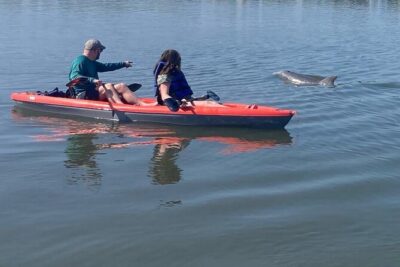
Dolphin and Manatee Adventure tour of Osprey with Florida History
Our review of this trip →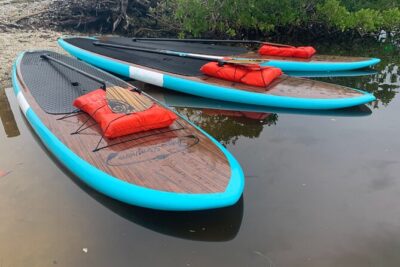
Dolphin and Manatee Adventure Tour of Sarasota with Olde Florida History!
Our review of this trip →
Browse the lists this tour appears in