
Review · AKAROA
Akaroa Harbour 2-Hour Dolphin Nature Cruise
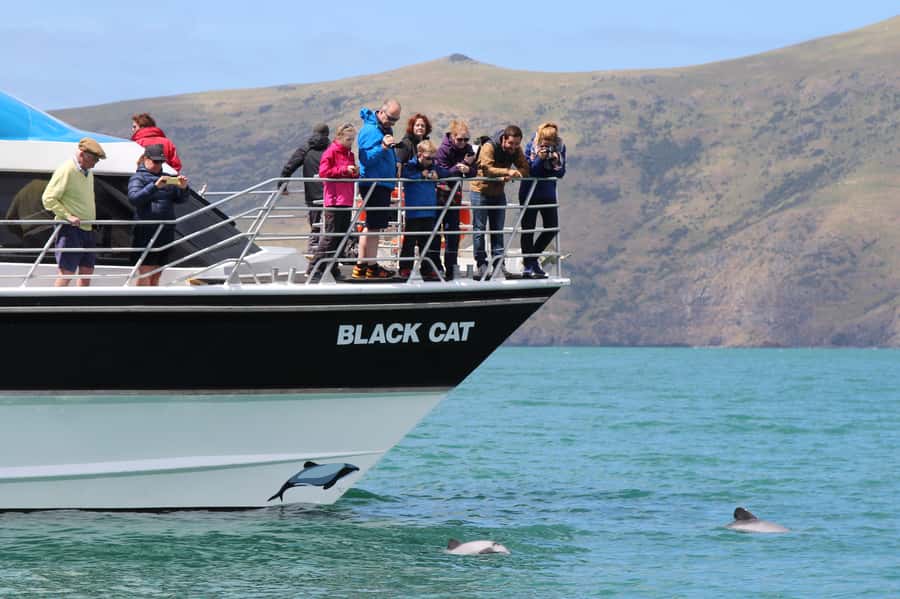
Akaroa Harbour is an extinct volcanic crater filled with sea, and this two-hour cruise makes that geology feel wonderfully close. You pass towering cliffs, sea caves, and the red, pink, and purple rock walls of Scenery Nook while keeping watch for Hector’s dolphins, the world’s smallest and rarest dolphins.
I like the mix of wildlife and local storytelling. You are not simply taken out to look for dolphins, since the skipper also explains Māori and European history, volcanic formations, and the names of notable coastal features. I also like the practical comfort: a spacious catamaran, two open decks, covered seats, toilets, and complimentary hot drinks.
The main thing to understand is that wildlife is wild. You may see many dolphins, seals, and penguins, but sightings can be brief or limited, especially in poor weather. Commentary can also be hard to hear from some seats, so your position on the boat matters.
Key points before you book
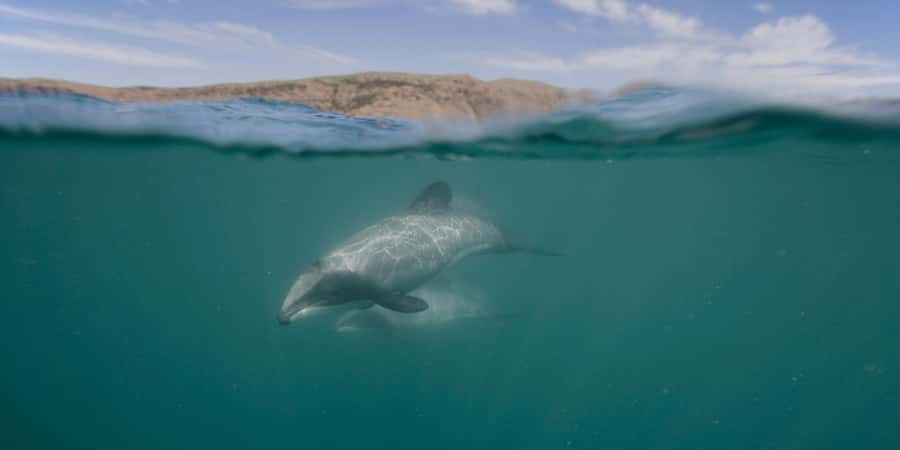
- Hector’s dolphins are the main prize: These small, rare dolphins are often seen close to Akaroa, but no cruise can guarantee their appearance.
- The scenery is a major part of the trip: Expect 500-foot cliffs, sea caves, volcanic rock formations, Scenery Nook, and Nikau Palm Gully.
- The catamaran is built for viewing: Two open decks offer wide sightlines, while covered seating helps on windy or wet days.
- Wildlife goes beyond dolphins: Fur seals, little penguins, albatross, cormorants, and other seabirds may appear.
- The commentary adds real value: Your skipper links the wildlife to Akaroa’s Māori and European past and explains how the harbour formed.
- Bring layers and sun protection: Even a warm day can feel cool on the water, and you will want sunscreen and a hat.
Why Hector’s dolphins make this Akaroa cruise special
Hector’s dolphins are the reason many people book this outing. They are native to New Zealand and among the smallest marine dolphins in the world. Their compact size can make them harder to photograph than larger dolphins, but that is part of the appeal. You are looking for a rare local species in its natural home, not watching a staged performance.
Sightings can range from a few quick appearances to repeated encounters with several dolphins. Some cruise departures have produced excellent viewing, with dolphins swimming near the boat. On other trips, you may see only a small number, or none at all. That variation is normal and worth accepting before you pay your $71.
The skipper and crew work to find wildlife, but they cannot control the animals or the weather. If you get a calm day and active dolphins, the cruise can feel like an exceptional bargain. If the dolphins stay out of sight, the cliffs, caves, seals, birds, and commentary still give the two hours a clear purpose.
A useful approach is to bring patience rather than expect a guaranteed close-up photograph. Keep your camera ready, but watch with your own eyes too. Hector’s dolphins can surface quickly, and the most memorable moment may last only a few seconds.
More Dolphin and Wildlife Eco Tours in the world:
- Akaroa Dolphins ~ Harbour Nature Cruise
★ 5.0 · 2,143 reviews - Auckland: Whale and Dolphin Watching Half-Day Eco Cruise
★ 4.5 · 1,072 reviews - Cocoa Beach Dolphin and Wildlife Tour
★ 5.0 · 1,052 reviews
Leaving the Main Wharf and entering the crater
The boat departs from the Main Wharf in Akaroa, right in the centre of the waterfront. That makes the meeting point simple if you are staying in town, and it is especially handy for cruise ship passengers, who come ashore directly at the wharf.
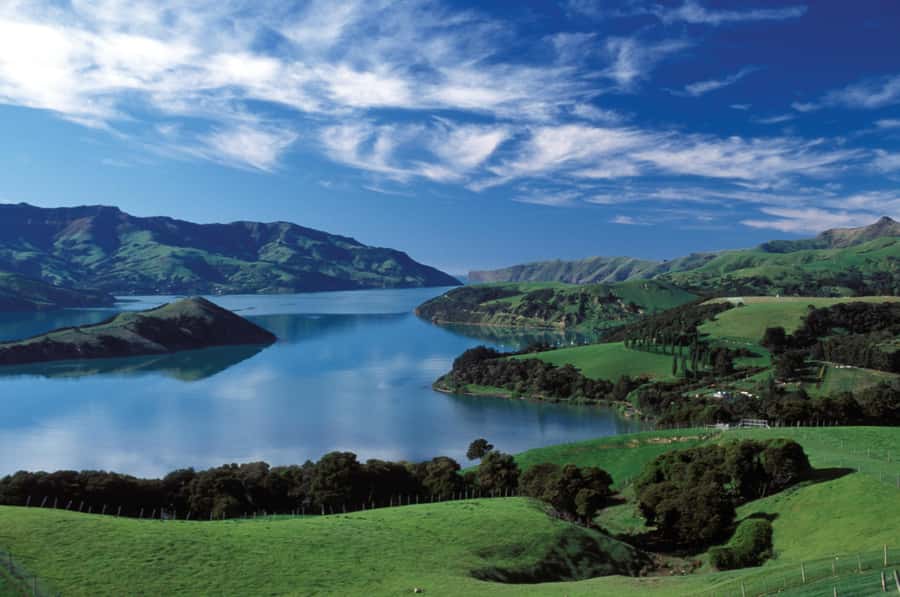
Once the catamaran moves away from town, Akaroa’s shape becomes easier to understand. You are cruising inside the remains of an extinct volcanic crater. The steep sides of the harbour are not just pretty scenery. They show the scale of the ancient volcanic activity that shaped Banks Peninsula.
The boat is a modern, spacious catamaran with open decks at different levels. I would choose a position where you can hear the skipper and still move quickly to either side when wildlife appears. The open areas give you the best photographs, while covered seating is the better choice if the wind picks up.
A licensed bar is available onboard, though complimentary tea and coffee are included. Hot chocolate is also noted as available. Toilets are provided, which matters on a two-hour cruise, particularly for families.
Scenery Nook, cliffs, and volcanic rock
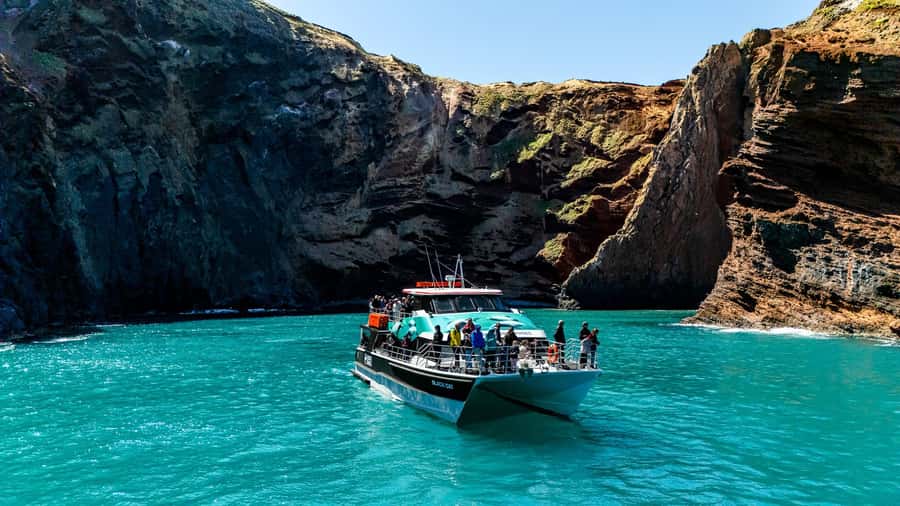
One of the most striking parts of the route is Scenery Nook, a natural amphitheatre marked by pink, purple, and red volcanic rock. The colour and shape of the rock make this more than a passing view. It is a good place to listen to the explanation of how lava flows and erosion formed the coast you are seeing.
The harbour also includes sheer cliffs reaching about 500 feet. From the water, these walls feel much larger than they do from a road or viewpoint. Watch how the rock drops almost directly into the sea, with caves and ledges breaking up the cliff face.
The route can include sea caves and formations such as Cathedral and Elephant Rocks. These names help you connect the shapes in front of you with the local stories and geology. The boat’s position on the water gives you a view that is not available from the road.
Nikau Palm Gully is another unusual feature. It is home to the southernmost native nikau palms in the world. That detail gives the cruise a strong sense of place. You are not just passing generic cliffs and trees. You are seeing plant life and rock formations tied to this particular corner of New Zealand.
The scenery also helps keep the outing worthwhile during a quiet wildlife spell. If dolphins are scarce, the cliffs and volcanic coast still provide a steady sequence of things to see.
Seals, penguins, and seabirds along the coast
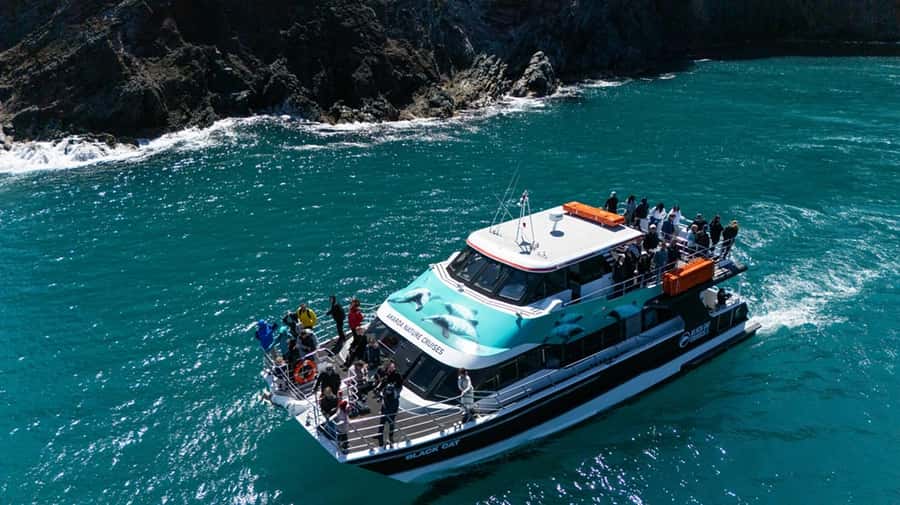
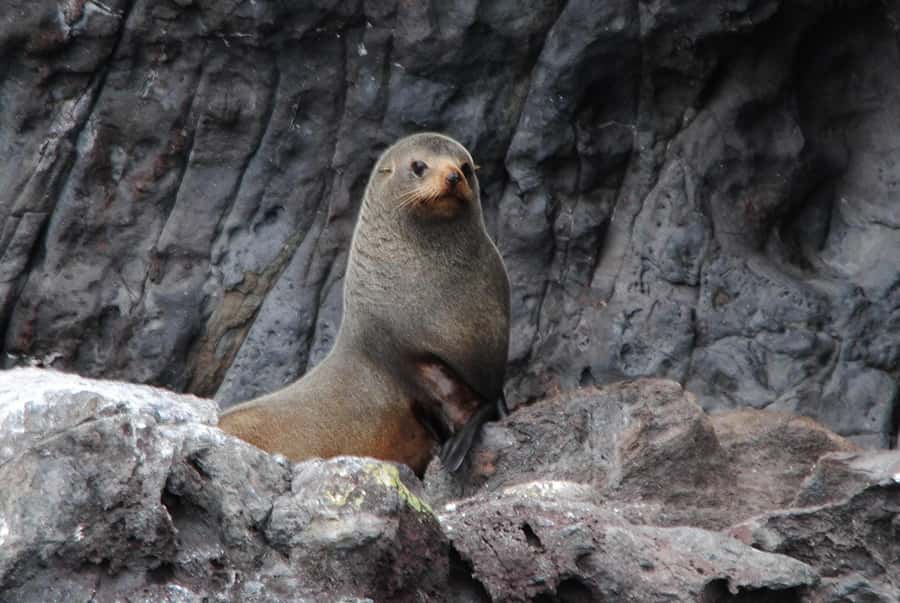
New Zealand fur seals are another common highlight. You might see them resting on rocks, including adults and young seals, depending on the season and location. They are often easier to spot than dolphins because they may remain still for longer, though you will still want binocular-like attention from the deck.
Little penguins, also called fairy penguins, can appear along the coast. Seeing one is less predictable than seeing seabirds, and the birds may be small or partly hidden near the rocks. Still, a penguin sighting adds something special to the trip, particularly when it comes alongside dolphins and seals.
The cruise can also include albatross, cormorants, and other seabirds. Albatross are impressive in flight, while cormorants often provide a closer look at the busy bird life around the harbour. You do not need to be a serious bird watcher to enjoy this part. The skipper’s commentary helps you know what to look for.
Some departures have even encountered unusual wildlife such as orcas, though that is clearly an unexpected bonus rather than something to plan around. The responsible expectation is to book for the full combination of marine life and scenery, not one particular animal.
More Dolphin Watching Cruises in the world:
- Funchal: Dolphin and Whale Watching Catamaran Cruise
★ 4.5 · 5,697 reviews - Costa Adeje: Whale & Dolphin Eco-Cruise with Snacks & Drinks
★ 4.6 · 5,096 reviews - Gran Canaria: Catamaran Dolphin Watch Cruise with Snorkeling
★ 4.4 · 4,761 reviews - Los Gigantes: Dolphin & Whale Watching Cruise with Swim Stop
★ 4.7 · 4,539 reviews
Commentary from the skipper makes the difference
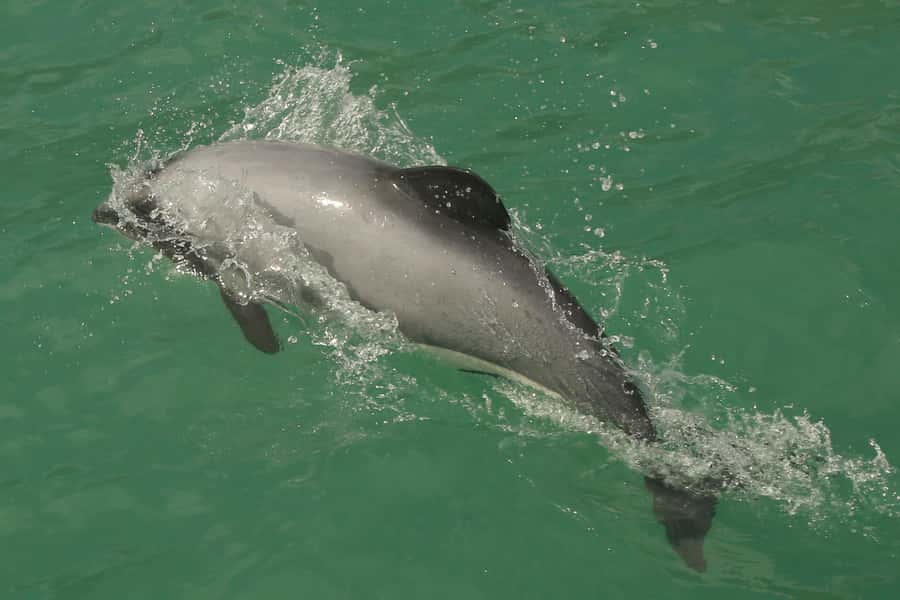
The live English commentary is one of the strongest parts of the experience. A good skipper does more than point at an animal. You learn about the harbour’s volcanic origins, the Māori and European past of Akaroa, and the natural features along the coast.
The style can be informative with a light touch. Guides named Rob and Steve have been singled out for interesting explanations, while Julian and Brie have also been praised for friendly service on past departures. Staff vary by sailing, so do not book expecting one specific person. The useful point is that the crew generally treats the cruise as a guided nature outing, not just a boat ride.
The one recurring practical weakness is sound. On some parts of the catamaran, especially toward the back or in windy conditions, the narration may be difficult to hear. Extra speakers have helped on some departures, but you should still try to sit where you have a clear view of the guide and the surrounding water.
If the commentary matters to you, avoid hiding behind a windbreak or choosing a seat solely for shelter. A little exposure to the breeze may give you a better view and clearer sound. You can always move inside or under cover if the weather turns.
Comfort, seating, and weather on the water
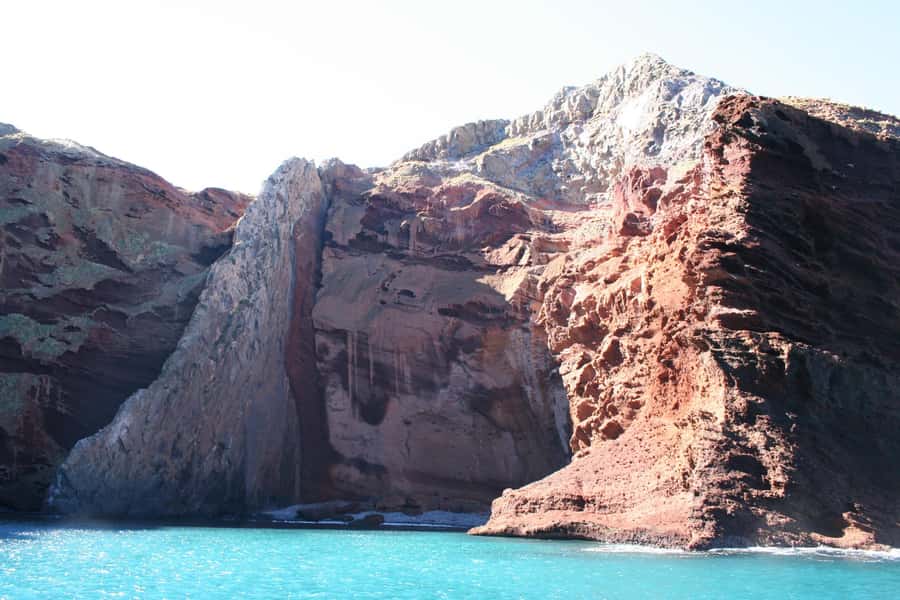
The catamaran is designed to give you choices. Open decks are best for wide views and photos. Covered seating gives you shade and shelter, which is useful because the sea breeze can feel cool even on a sunny summer day.
Wear warm layers rather than trusting the temperature in town. A hat, sunscreen, and a camera are sensible in all conditions, including cloudy weather. The reflected light from the water can still be strong, and the wind can catch loose hats.
The boat is described as stable and powerful, and one past departure was praised for a very smooth ride. Still, you are on the sea, not a bus. If you are prone to motion sickness, choose a central, sheltered seat if possible and keep your eyes on the horizon. The activity information does not promise a completely calm ride.
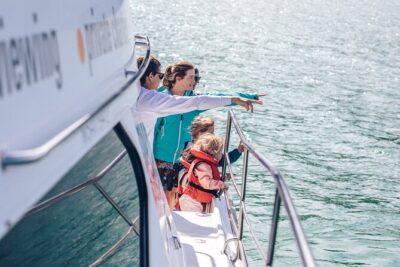
Families are welcome, and high rails make the vessel suitable for young children. You must supervise children throughout the cruise. There is also a box of activities for bored children on some departures, although small children may find it hard to use activities if they feel seasick.
Seating can feel limited when the boat is busy. You may need to balance comfort, sound, and viewing position. I would arrive ready to choose a seat with a clear sightline rather than assuming every place offers the same experience.
Getting to Akaroa from Christchurch
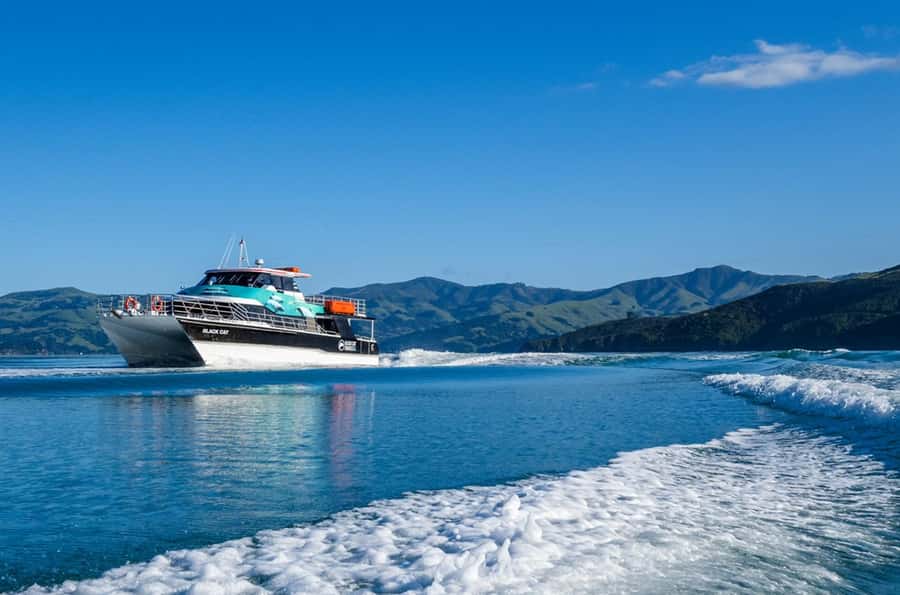
Akaroa is about an 80 to 90-minute drive from Christchurch city or Christchurch International Airport. The route passes through farmland and over the Banks Peninsula hills, so the drive is part of the day rather than a simple transfer.
You should allow extra time if you are driving, since the cruise leaves from the Main Wharf and you will want to find parking, check the waterfront, and arrive without rushing. If you are visiting from a cruise ship, the location is particularly easy because you come ashore at the same main wharf.
The two-hour length fits well into a half-day plan. You can pair it with time in Akaroa before or after the cruise, though the activity itself does not include transport from Christchurch. The $71 price covers the nature cruise and complimentary tea and coffee, not the drive to Akaroa.
For a wildlife cruise, that is fair value if you want both a guided boat trip and a close look at the harbour’s geology. It is less compelling if your only aim is a guaranteed dolphin photograph. The price pays for the full setting, crew, boat, interpretation, and chance to see several kinds of wildlife.
Accessibility and practical limits
The boat has ramps for boarding, and passengers using wheelchairs are welcome with an able-bodied companion. However, the onboard toilets are not wheelchair friendly, and access may still be difficult depending on mobility needs and seating preferences.
One past experience found boarding and leaving the boat challenging, with limited comfortable seating and less access to the best wildlife views. For this reason, contact the operator before booking if you use a wheelchair or have limited mobility. The general description calls the vessel wheelchair accessible, but the practical details are more limited than that label suggests.
Children must be supervised, and warm clothing is important for everyone. Free cancellation is available up to 24 hours before departure, and you can reserve now and pay later, which helps if your Christchurch and Akaroa plans are still shifting.
Who should book the Akaroa Nature Cruise?
I would recommend this cruise to families, couples, solo visitors, photographers, and anyone who wants a compact introduction to Akaroa Harbour. You get wildlife, geology, local history, and a comfortable boat without giving up an entire day.
It is especially good for a first visit to Akaroa. The skipper points out features you might otherwise sail past, including Scenery Nook, Nikau Palm Gully, caves, and named rock formations. You leave with a better sense of why the harbour looks the way it does.
You should think twice if you need guaranteed dolphin sightings, perfect silence, or fully accessible facilities. Nature sets the schedule, wind can affect comfort and sound, and the best seat is not necessarily available when you board.
Should you book it?
Book it if you want the best all-round look at Akaroa Harbour in two hours. The dolphins are the headline, but the volcanic cliffs, sea caves, seals, penguins, seabirds, and clear local commentary give the cruise plenty of value even when wildlife is modest.
Choose a warm layer, arrive ready to find a good viewing position, and keep your expectations realistic. If you treat the trip as a guided exploration of a volcanic harbour with a chance to see rare dolphins, the $71 price makes good sense. If you need a guaranteed close encounter, no wildlife cruise can promise that.
FAQ
Where does the Akaroa dolphin cruise depart from?
The cruise departs from the Main Wharf in Akaroa, New Zealand. Cruise ship passengers disembark directly at this wharf.
How long is the cruise?
The nature cruise lasts two hours.
What wildlife might I see?
You may see Hector’s dolphins, New Zealand fur seals, little penguins, albatross, cormorants, and other seabirds. Wildlife sightings are not guaranteed.
Is commentary provided during the cruise?
Yes. An English-speaking skipper and nature guide provide live commentary about Akaroa’s Māori and European history, volcanic origins, and local wildlife.
What is included in the price?
The $71 price includes the two-hour nature cruise, English commentary, and complimentary tea and coffee. Hot chocolate is also listed as available onboard.
Is the boat suitable for children?
Yes. The vessels have high rails and are suitable for families and young children. Children must be supervised at all times.
Is the cruise wheelchair accessible?
Ramps allow passengers using wheelchairs to board with an able-bodied companion, but the onboard toilets are not wheelchair friendly. Contact the operator before booking to discuss your specific needs.
More two-hour trips around the world
- Small Group 2 Hour Dolphin Cruise with Snorkeling to Shell Key
★ 5.0 · 1,523 reviews - 2h Dolphin and Whale Viewing + Snorkeling Tour
★ 4.5 · 940 reviews - Morro Jable: 2 Hours Magic Dolphin & Whale watching with Drinks & Swim Stop.
★ 4.5 · 851 reviews - 2h Viking Cruise Whales & Dolphins Watching
★ 5.0 · 596 reviews
Just added on the water around the world
- Bali Bliss: Dolphin Lovina Private Expedition★ 4.1 · 6 reviews
- Arrábida Natural Park/Sesimbra: Dolphin Watching★ 5.0 · 2 reviews
- Auckland: Bay of Islands Day Tour with Dolphin Cruise★ 5.0 · 11 reviews
- Auckland: Tikapa Moana Whales, Dolphins and Islands Cruise★ 3.9 · 292 reviews
- Anna Maria Island: Dolphin Cruise★ 4.9 · 8 reviews
- Always private 4 hour – Sail- dolphin Yacht Charter-paddle★ 4.5 · 7 reviews
- Anna Maria Island: Sunset Dolphin Cruise★ 4.9 · 8 reviews
- Alghero: Dolphin Watching Tour with Marine Researcher★ 4.7 · 172 reviews
Akaroa Dolphin Watching Tours, compared.
Akaroa Dolphins ~ Harbour Nature Cruise
Our review of this trip →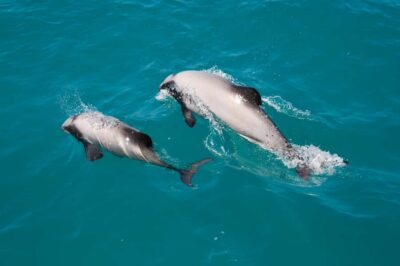
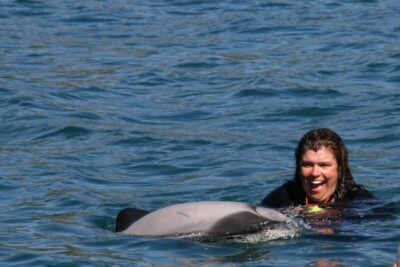
Akaroa: Swimming with Wild Dolphins Experience
Our review of this trip →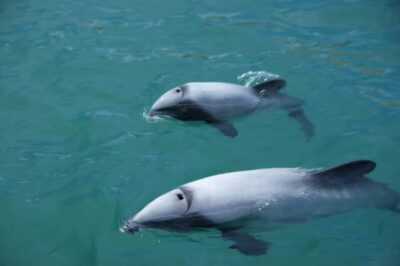
Akaroa: Wildlife Cruise with Dolphins and Penguins
Our review of this trip →Browse the lists this tour appears in