
Review · NEW ZEALAND
Auckland: Whale and Dolphin Watching Half-Day Eco Cruise
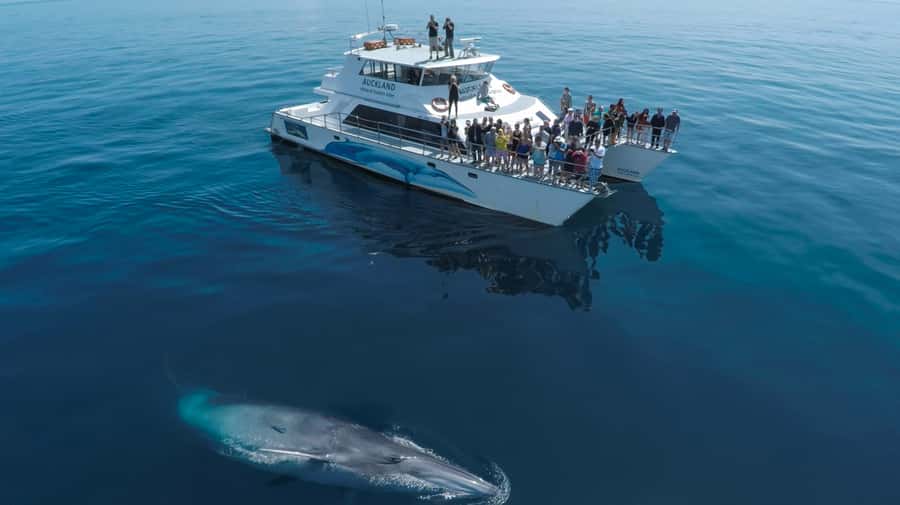
Auckland’s best wildlife outing may begin with a city view rather than an animal sighting. From the Dolphin Explorer, you cruise past North Head, Devonport, and Rangitoto Island before heading into the Hauraki Gulf Marine Park, where dolphins, Bryde’s whales, orcas, sharks, penguins, and seabirds may appear.
I like two things right away: the crew treats the trip as a working marine research outing, not just a sightseeing ride, and one dollar from every ticket supports the Hauraki Gulf Guardians fund. The boat is also a sensible size, with enough room to find a clear view without feeling lost in a huge crowd. The catch is simple: wildlife is wild, and some trips see plenty of dolphins but no whales, or no marine mammals at all.
Key points to know before booking
- A 4.5-hour cruise from central Auckland: You leave from Berth 9 at Eastern Viaduct Marina, close to the Maritime Museum.
- A working research vessel: Marine scientists may collect samples and explain their work during the trip.
- Dolphins are the most realistic reward: Sightings have included large pods, young dolphins, and animals swimming close to the boat.
- Whale sightings are possible, not promised: Bryde’s whales have been seen, sometimes at a distance.
- A useful no-sighting policy: If no marine mammals appear, you receive a second cruise.
- Prepare for open-water weather: Bring warm layers, a showerproof jacket, sunscreen, and seasickness medicine.
Leaving Auckland on the Dolphin Explorer
The trip starts at Berth 9 in the Eastern Viaduct Marina, reached from the western end of Quay Street, opposite the Maritime Museum. You need to check in 30 minutes before departure, and boarding check-in closes 15 minutes before the scheduled start.
The 65-foot luxury catamaran gives you a smoother, more stable platform than a small open boat, though the Hauraki Gulf can still be windy or rough. There are indoor and outdoor areas, and the size allows you to move around for a better view. It is not a private yacht, but it is also not an enormous sightseeing ship where animals become tiny specks.
The first part of the journey gives you time to settle in and see Auckland from the water. North Head and Devonport frame the harbour entrance, while Rangitoto provides the memorable volcanic backdrop. These views are more than filler while the crew searches. They help you understand Auckland’s setting, with a busy waterfront opening directly into a protected marine park.
I would arrive dressed for the water, not for the weather at the dock. Even on a pleasant Auckland day, wind across the deck can feel cool after several hours. Take a sun hat and sunscreen too, since open water reflects strong light. The operator also recommends personal medication and seasickness medicine taken before departure.
More Dolphin and Wildlife Eco Tours in the world:
- Akaroa Dolphins ~ Harbour Nature Cruise
★ 5.0 · 2,143 reviews - Cocoa Beach Dolphin and Wildlife Tour
★ 5.0 · 1,052 reviews - Dolphin and Wildlife Adventure of St. Augustine
★ 5.0 · 864 reviews
Searching the Hauraki Gulf for dolphins and whales
Once the boat reaches the wider gulf, the pace changes. You are not following a fixed parade route. The crew watches the water, looks for feeding birds and signs of marine activity, and adjusts the route in search of animals.
That uncertainty is part of the appeal, but it also explains why you should not book this expecting a guaranteed whale encounter. The Hauraki Gulf is large, and even skilled crews cannot direct wildlife into position. Some outings have found several pods of common dolphins, while others have seen only birds or no marine mammals.
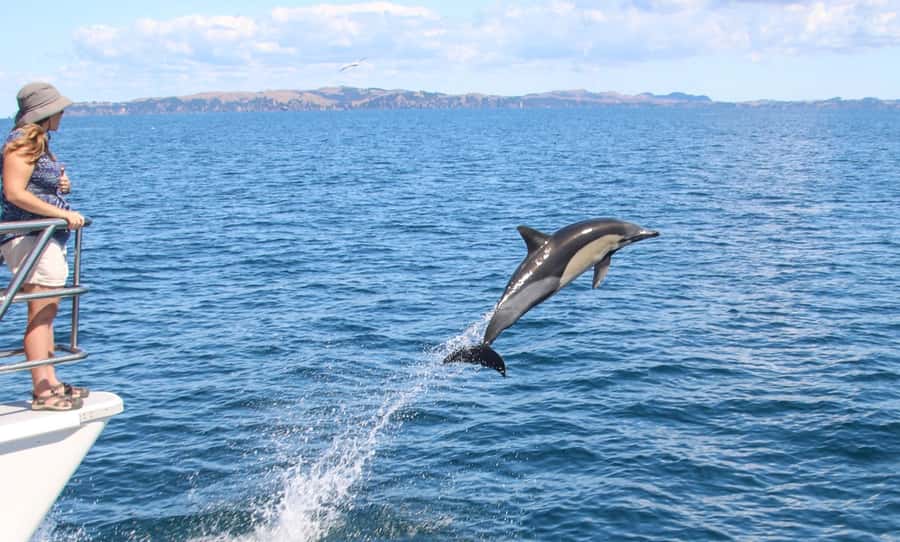
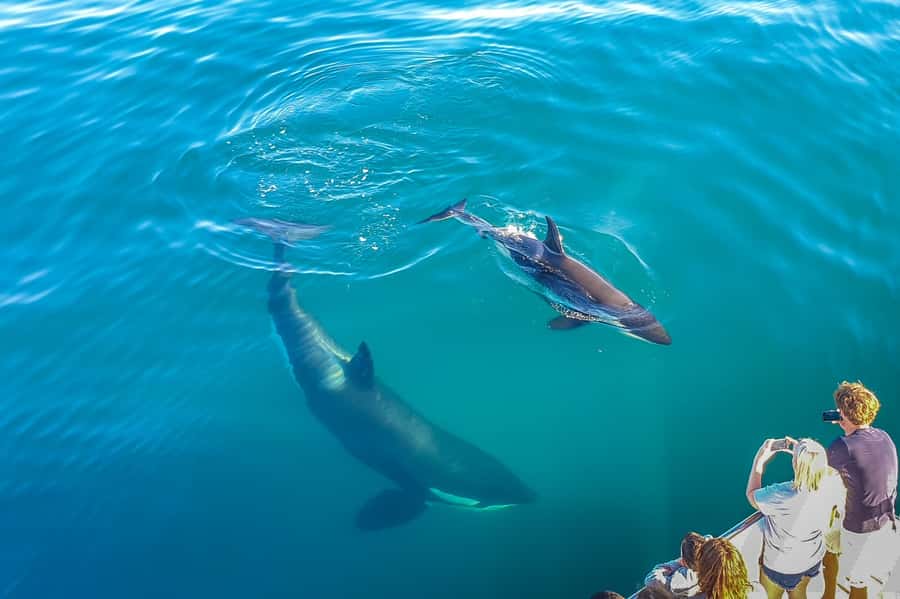
Dolphins are often the most satisfying sighting. They may travel beside the catamaran, appear under the boat, or gather in large groups. Young dolphins have been seen among the pods, and the crew may keep the vessel in the area long enough for everyone to watch without rushing away after one quick glimpse.
The experience can be especially good for photographers because you are not limited to one viewing point. Move between the sides of the boat, keep your camera ready, and watch the water rather than staring only at the horizon. Binoculars are useful for distant whales and birds, though close dolphins can usually be seen without them.
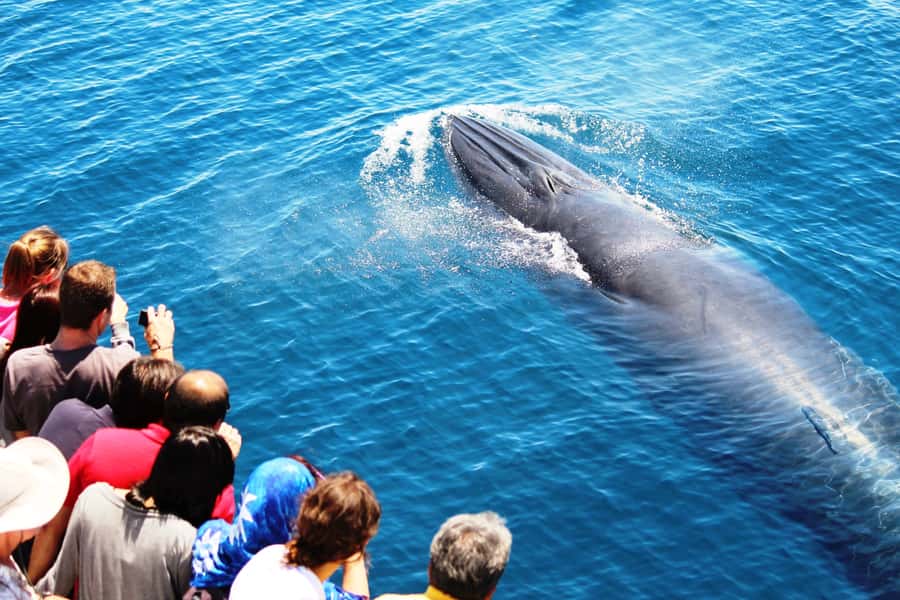
Whales are less predictable. Bryde’s whales have been spotted, sometimes several in one outing, but they may remain far from the boat. A number of successful trips have included one or more whales along with dolphins, while other outings found dolphins but no whale. The crew’s policy of offering another cruise after a complete lack of marine mammal sightings takes some sting out of an unlucky day, though it cannot guarantee a whale on the second attempt.
Marine science instead of simple sightseeing
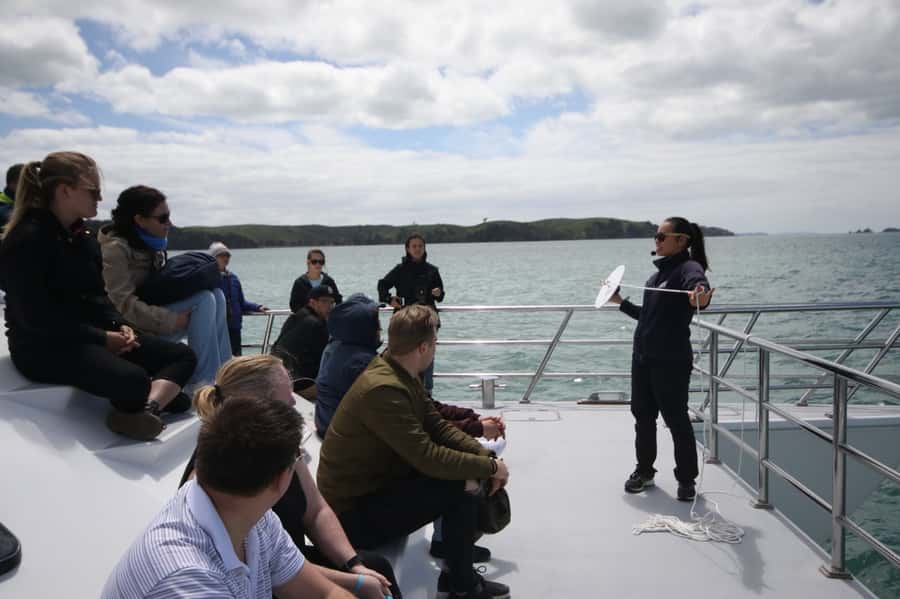
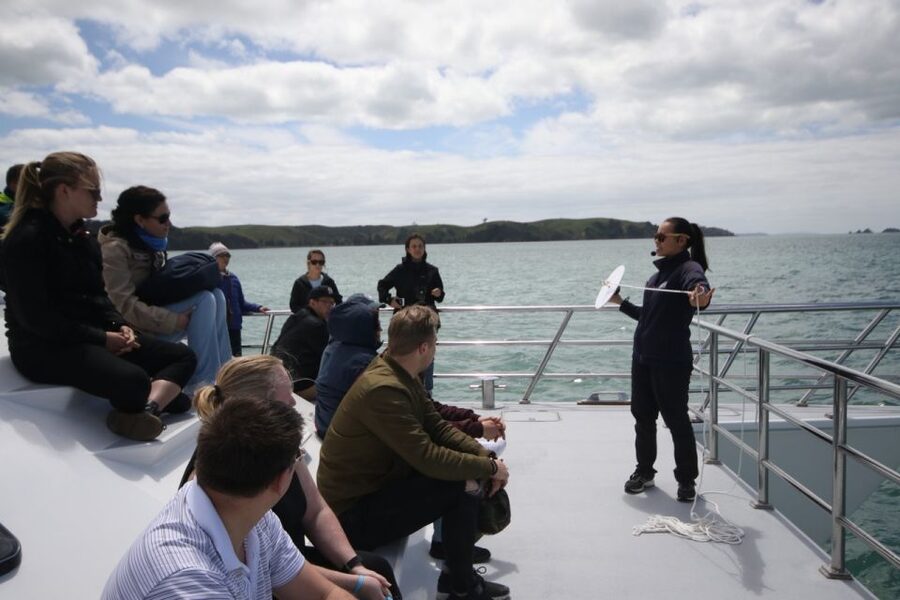
The strongest feature of this cruise is the science. The guides explain animal behaviour, seabirds, geography, and the wider marine environment. On some trips, the crew has collected plankton or other samples, giving you a clear look at how the vessel supports research as well as tourism.
That changes the feel of the outing. You are not simply waiting for a fin to break the surface. The commentary gives you something useful to notice during the quiet stretches, from feeding activity among seabirds to small organisms in the water.
The crew has included marine scientists and guides such as Emily, Sanaa, John, Joseph, George, Toni, and Jo on different trips. Crew members can vary, but the consistent theme is strong subject knowledge and obvious care for the animals. Some guides also explain how they track marine mammals by watching feeding events, including groups of gannets gathering over fish.
I particularly like the ethical approach. The boat keeps a respectful distance and avoids turning an animal sighting into a frantic chase. You may spend time watching the same pod instead of rushing from one sighting to another. That is better for the animals and usually better for you, since patience often produces the most natural behaviour.
The conservation contribution also gives the ticket more purpose. One dollar from each fare goes to the Hauraki Gulf Guardians fund, and the company links the cruise with marine research and protection. At $130 per person, that will not make this a budget activity, but it does add value beyond the ride itself.
Seabirds, penguins, sharks, and the moments between whales
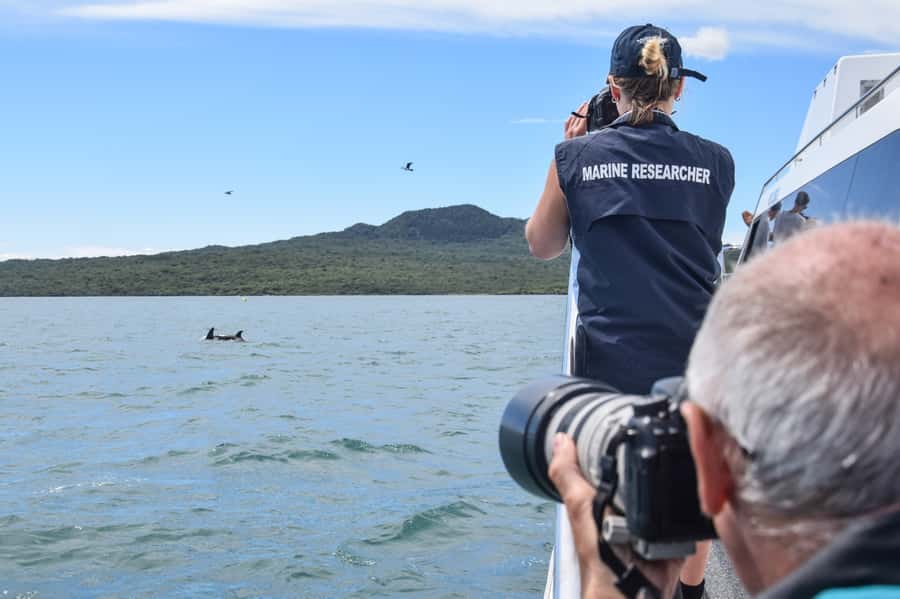
A good trip is not limited to whales and dolphins. Australasian gannets are among the most memorable birds in the gulf, especially when they plunge toward the sea after fish. Blue penguins and shearwaters have also been spotted, along with other seabirds.
The bird activity can help you understand where marine mammals might be feeding. A busy patch of water, a group of birds, or a sudden change in movement may be a clue for the crew. You might also see sharks, including blue sharks or a hammerhead, though these are occasional sightings rather than promised highlights.
This variety matters because marine safaris have quiet periods. If you expect constant action, four and a half hours can feel long when the water is empty. If you enjoy learning how the gulf works, those slower sections become part of the experience.
The crew may give presentations during the return journey, when there is time to connect the sightings with the research. The result is a trip that can appeal to adults who want more than a quick photo, as well as families who need several kinds of wildlife to keep the outing interesting.
More Whale and Dolphin Watching Tours in the world:
- Tenerife: Eco-Yacht Whale and Dolphin Watching and Swimming
★ 4.7 · 15,619 reviews - Los Cristianos Respectful No-Chase Whale and Dolphin Safari
★ 4.6 · 12,782 reviews - From Funchal: Ecological Catamaran Dolphin Whale Watching
★ 4.5 · 8,204 reviews - Funchal: Dolphin and Whale Watching Catamaran Cruise
★ 4.5 · 5,697 reviews
What $130 buys you
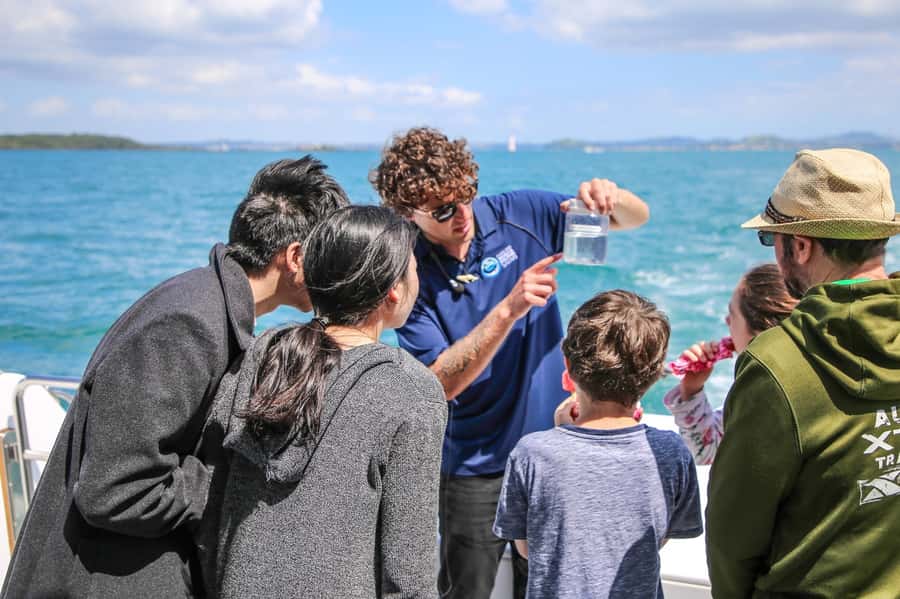
At $130 per person, this is a fairly serious half-day purchase. You are paying for a 270-minute marine safari, a comfortable catamaran, trained guides, research activity, and access to a large protected marine area just outside the city.
The value depends on what you want. If your main goal is a guaranteed whale photograph, the price may feel high because whales may be absent or far away. If you value the whole outing, including Auckland harbour views, dolphin watching, seabirds, scientific commentary, and conservation support, the fare is easier to justify.
The free second cruise helps. If no marine mammals appear, you can take the cruise again without paying another fare. This does not cover a day when you see dolphins but no whales, so you should still book with realistic expectations. It is a safety net for a genuinely empty wildlife trip, not a whale guarantee.
Food and drinks are not included. A small selection of snacks, hot food, and drinks, including beer and wine, can be bought aboard. I would eat something before departure and treat the onboard menu as backup rather than a full meal plan.
Comfort, weather, and practical limits
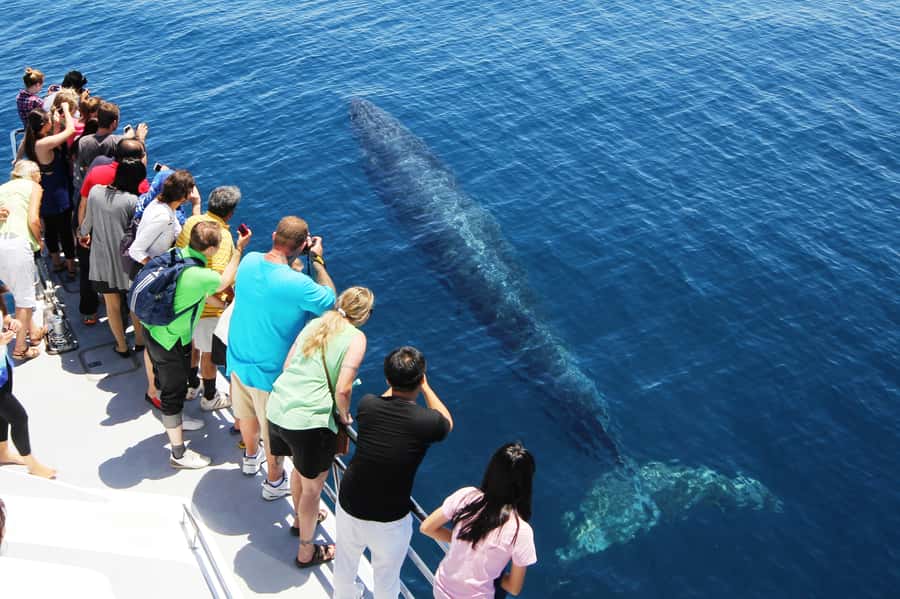
The catamaran is comfortable, but this remains an open-water trip. Wind can make the ride lively, and rain may arrive even after a pleasant start. The operator can cancel if wind, weather, or sea conditions create a safety concern. Recent departures have also been rescheduled or offered a refund when storm warnings appeared.
Wear layers and bring a showerproof jacket. Sunscreen and a hat are just as important as rain protection. If you are prone to seasickness, take suitable medicine before boarding rather than waiting until the boat is moving.
Children under five may join only with close supervision by a parent or guardian. Unaccompanied minors are not allowed, and the activity is not suitable for heavily pregnant women. Narrow doorways and stairs mean the vessel is not wheelchair accessible.
The trip lasts 4.5 hours, so plan your Auckland day around it. Do not schedule a tight museum booking, airport transfer, or dinner immediately afterward. The cruise can be extended slightly when wildlife activity is especially good, and weather can affect the return time.
Who will enjoy this Auckland cruise?
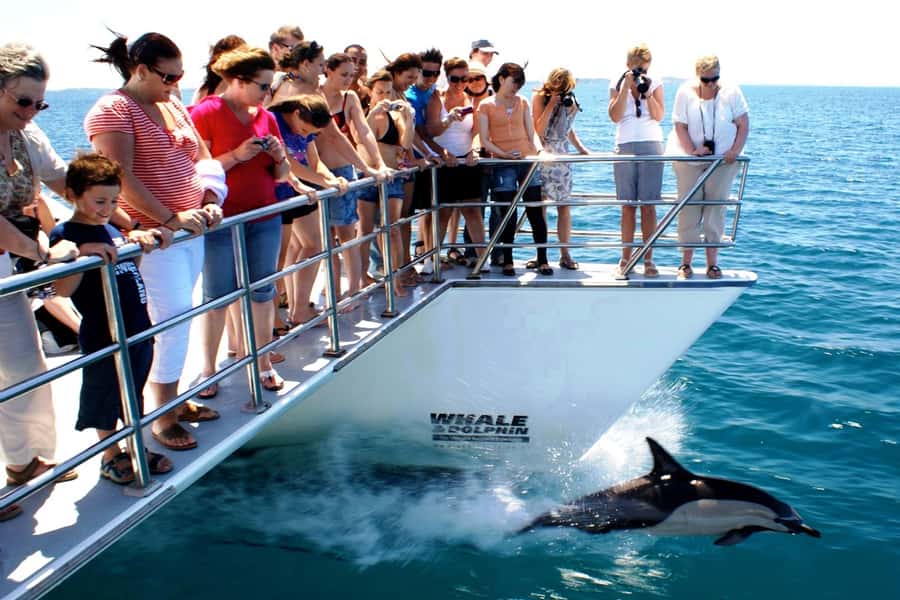
I would choose this outing if you want wildlife in the animals’ own environment and enjoy hearing how marine research is done. It suits photographers, families with older children, bird watchers, and anyone who wants a substantial half-day activity without leaving Auckland.
It is also a good choice if conservation matters to you. The research work and Guardians fund give the outing a useful purpose, and the crew’s careful approach means the animals are not treated like performers.
I would think twice if you dislike open water, struggle with seasickness, or need a guaranteed sighting. The best mindset is hopeful but flexible. You could see more than 100 dolphins and several whales, or you could spend the day learning about plankton, birds, and the gulf without a mammal encounter.
The central location helps if you have limited time in Auckland. You can reach the marina from the city centre and see major harbour landmarks on the way out. That convenience makes this a stronger option than an activity requiring a long road transfer.
Should you book the Dolphin Explorer?
Book it if you want a well-run marine safari with a research focus, and you understand that nature sets the timetable. The dolphins can be spectacular, the seabird activity adds interest, and whales are a genuine possibility rather than a marketing promise.
I like the combination of central departure, a comfortable boat, careful wildlife viewing, and marine science. The free return cruise if no mammals appear is reassuring, while the conservation contribution gives the $130 fare more substance.
Do not book it solely for a guaranteed whale sighting. Book it for the chance to see dolphins, whales, penguins, gannets, sharks, and the Hauraki Gulf itself, with a crew that can make even a quiet stretch at sea worthwhile.
FAQ
Where does the Auckland whale and dolphin cruise depart from?
The boat departs from Berth 9 at Eastern Viaduct Marina, accessed from the end of Quay Street heading west. The berth is opposite the Maritime Museum.
How early should I arrive?
You should arrive 30 minutes before departure to check in at the top of the boarding ramp. Check-in closes 15 minutes before the scheduled departure time.
How long does the cruise last?
The eco-cruise lasts 270 minutes, or 4.5 hours.
What animals might I see?
Possible sightings include orcas, bottlenose dolphins, common dolphins, Bryde’s whales, Australasian gannets, shearwaters, blue penguins, and sharks. Sightings are not guaranteed.
What happens if no marine mammals appear?
You can take the cruise again for free if you do not see any marine mammals.
Is food available on the boat?
Food and drinks are not included, but a small selection of snacks, hot food, and drinks can be purchased onboard. Beer and wine are also available.
What should I wear?
Wear warm clothing and bring a showerproof jacket, sun hat, sunscreen, a camera, binoculars if you have them, and any required personal medication. Seasickness medicine should be taken before the trip.
Is the cruise wheelchair accessible?
No. The vessel has stairs and narrow doorways, so it is not wheelchair accessible.
Can young children join?
Children under five may join only when closely supervised by a parent or guardian. Unaccompanied minors are not allowed.
Can the cruise be cancelled because of weather?
Yes. The operator may cancel a trip because of wind, weather, or sea conditions. You can cancel your booking up to 24 hours in advance for a full refund, and reserve now while paying later.
More half-day trips around the world
- Lanzarote: Lobos Island Half-Day Dolphin Watching Trip
★ 4.2 · 585 reviews - Khasab: Half-Day Dhow Cruise, Dolphin Watching, & Snorkeling
★ 4.9 · 507 reviews - Terceira: Half-Day Dolphin and Whale Watching Tour
★ 4.6 · 219 reviews - Khasab: Half-Day Dhow Cruise with Dolphin Watching
★ 4.7 · 189 reviews
More Dolphin Watching Cruises in the world
- Costa Adeje: Whale & Dolphin Eco-Cruise with Snacks & Drinks
★ 4.6 · 5,096 reviews - Gran Canaria: Catamaran Dolphin Watch Cruise with Snorkeling
★ 4.4 · 4,761 reviews - Los Gigantes: Dolphin & Whale Watching Cruise with Swim Stop
★ 4.7 · 4,539 reviews - Shell Island Snorkel and Dolphin Catamaran Cruise with Island Time
★ 5.0 · 4,362 reviews
Just added on the water around the world
- Bali Bliss: Dolphin Lovina Private Expedition★ 4.1 · 6 reviews
- Arrábida Natural Park/Sesimbra: Dolphin Watching★ 5.0 · 2 reviews
- Auckland: Bay of Islands Day Tour with Dolphin Cruise★ 5.0 · 11 reviews
- Auckland: Tikapa Moana Whales, Dolphins and Islands Cruise★ 3.9 · 292 reviews
- Anna Maria Island: Sunset Dolphin Cruise★ 4.9 · 8 reviews
- Anna Maria Island: Dolphin Cruise★ 4.9 · 8 reviews
- Always private 4 hour – Sail- dolphin Yacht Charter-paddle★ 4.5 · 7 reviews
- Alghero: Dolphin Watching Tour with Marine Researcher★ 4.7 · 172 reviews
New Zealand Dolphin Watching Tours, compared.
Akaroa Dolphins ~ Harbour Nature Cruise
Our review of this trip →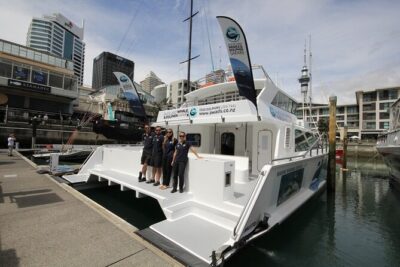
Auckland Dolphin and Whale Watching Eco-Safari Cruise
Our review of this trip →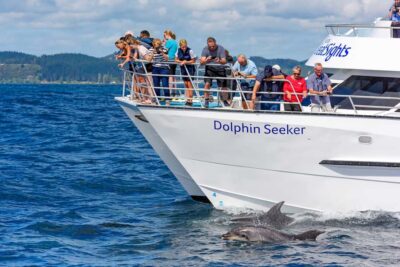
Paihia/Russell: Hole in the Rock, Dolphins & Island Cruise
Our review of this trip →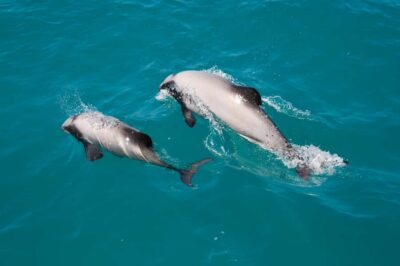
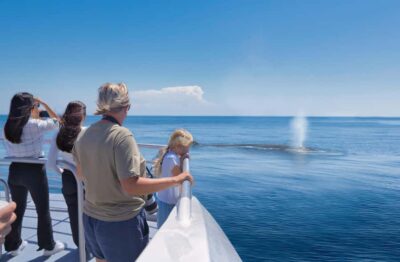
Tikapa Moana Whales, Dolphins and Islands Cruise
Our review of this trip →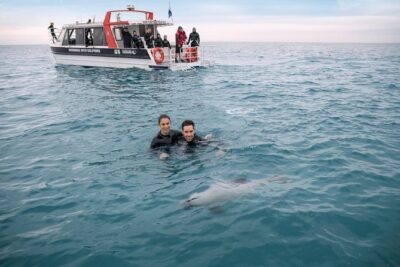
Akaroa Harbour 2-Hour Dolphin Nature Cruise
Our review of this trip →
Akaroa: Swimming with Wild Dolphins Experience
Our review of this trip →Browse the lists this tour appears in