
Review · FARO
Sunset Dolphin Watching with Marine Biologists
The best part of this Faro outing is the mix of wildlife watching and marine science. You cruise through Ria Formosa Natural Park before reaching the Atlantic, where biologists search for dolphins, whales, sharks, and seabirds against the changing evening sky. I like the educational briefing and the chance to support real data collection. I also like the private format, with only your group aboard.
The main catch is simple: wildlife is never guaranteed. The tour needs good weather, water and wind coats are not included, and the sunset schedule may feel late for young children or anyone who prefers a land-based evening.
Key points to know before you book
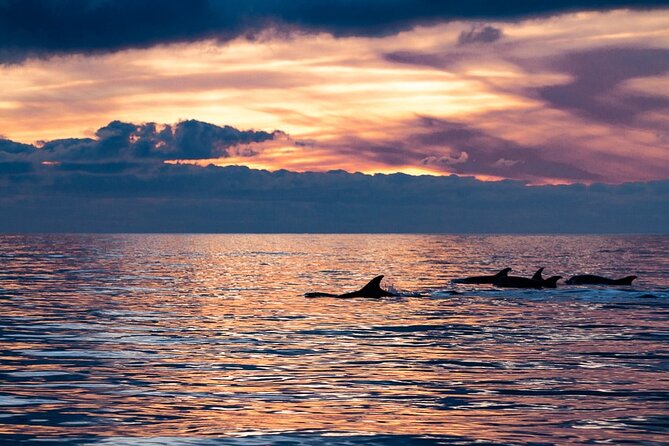
- A sunset route from Faro: The 2-hour-30-minute trip starts in Ria Formosa Natural Park and continues out into the Atlantic.
- Marine biologists on board: You receive an activity briefing and learn how sightings and scientific data are handled.
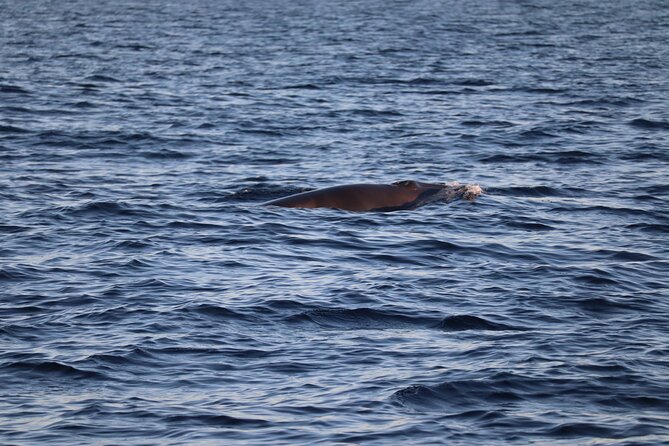
- Likely wildlife: Common, bottlenose, and striped dolphins are the species seen most often, with sharks and marine birds also possible.
- Seasonal whale sightings: Fin whales and minke whales may appear in late winter and spring.
- Private for your group: Only your party participates, rather than joining a large shared excursion.
- Bring your own layers and water: Life jackets are included, but wind coats and water are not.
Why a sunset dolphin trip from Faro works
Faro is a smart base for a marine wildlife outing because the route begins in the Ria Formosa Natural Park, not directly on an open beach. This protected coastal area gives you a scenic start, with the boat moving through sheltered waterways before heading toward the Atlantic.
That first stretch matters. You are not simply stepping onto a boat and racing toward the horizon. The crew gives an onboard briefing about the activity and its rules, so you know how the trip works before the search begins. The setting also gives you time to settle in and watch the shoreline change as you move from the lagoon system toward open water.
The tour lasts about two and a half hours. That is long enough to search a broad area, but short enough to fit neatly into a Faro afternoon or evening. The timing is built around sunset, so the experience includes more than a wildlife search. You also get softer light, changing colors, and a calmer end to the day if conditions cooperate.
I like this format for visitors who want something active but not exhausting. You are out on the water for a meaningful length of time, yet you are not committing an entire day to a boat trip. The private setup is another plus. Only your group participates, which should make it easier to hear the biologists and ask questions.
More Sunset Dolphin Cruises in Faro:
- Lanzarote: Dolphin-Watching Sunset Cruise with Transfers
★ 4.2 · 2,435 reviews - Sunset & Dolphin Catamaran Cruise with Island Time
★ 5.0 · 1,867 reviews - Sunset Dolphin Watch Tour
★ 5.0 · 1,661 reviews
Meeting in Faro and entering Ria Formosa
The meeting point is Ocean Vibes Algarve, also called Ocean Emotions, at Passeio Abu Sào Ibn Harune, Loja B, 8000-541 Faro, Portugal. The activity ends back at the same location, so you do not need to arrange a separate return transfer.
The meeting point is near public transportation, which is useful if Faro is your base and you are not driving. Still, check the exact address and allow time to find the shop before departure. A sunset trip has a fixed window, and arriving late could mean missing the boat.
Once aboard, the team explains the basic rules and what the search involves. This is where the presence of marine biologists adds real value. You are not just waiting for a fin to appear. You learn that the crew is watching for different species and gathering scientific data during the outing.
That research angle gives the trip a stronger purpose. A dolphin sighting is exciting, but the work also involves careful observation, recording, and respect for the animals. The educational approach should appeal to anyone who wants a clearer picture of marine life rather than a simple photo stop.
From sheltered waterways to the Atlantic
The boat cruises through Ria Formosa Natural Park before reaching the ocean. This part of the route provides a useful contrast. The early section is linked to the protected coastal environment, while the later section is focused on finding larger marine animals in open water.
The exact route and conditions can change. Wildlife moves freely, and the crew must respond to the sea, weather, and recent sightings. That flexibility is normal for a responsible wildlife trip. You should not expect a fixed sequence of stops or a guaranteed viewing point.
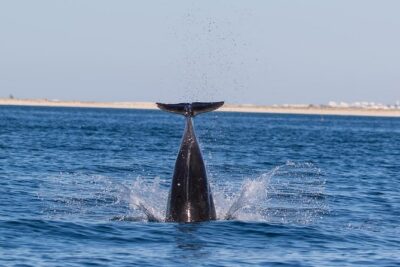
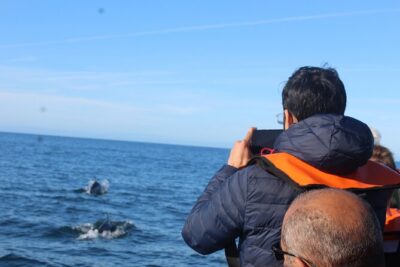
As the boat reaches the Atlantic, the biologists concentrate on spotting movement at the surface. Dolphins may appear briefly, travel in groups, or vanish before the boat gets close. Whales can be harder to find, especially outside the late winter and spring period when fin whales and minke whales are more likely to be seen.
This is an important expectation to set before booking. The tour gives you a chance to find wildlife, not a scheduled animal performance. If you need guaranteed photographs or a certain species, this is the wrong type of activity. If you enjoy the search itself and can accept uncertainty, the outing becomes much more rewarding.
The dolphins and whales you might see
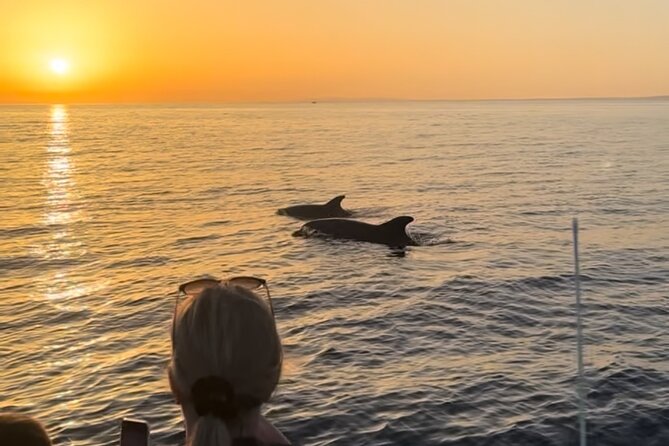
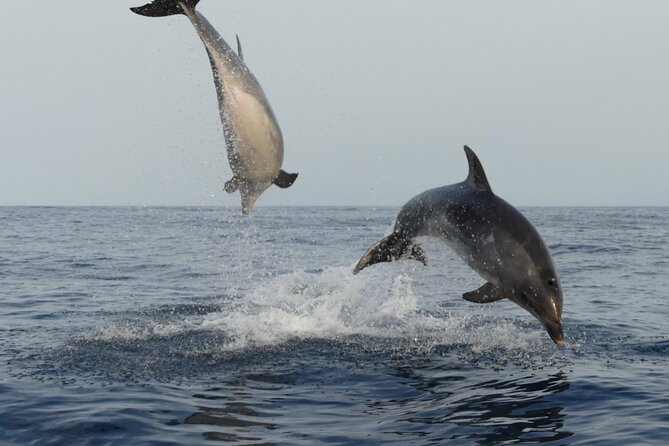
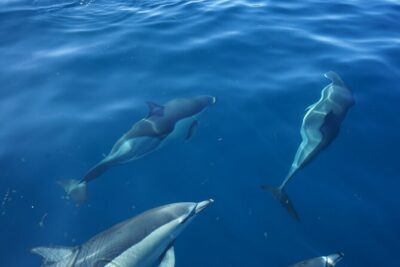
The most common sightings on this route are common dolphins, bottlenose dolphins, and striped dolphins. Each species can make the experience feel different, but the crew’s role is to help you understand what you are seeing rather than simply point toward the water.
Common dolphins are among the species most associated with this trip. Bottlenose dolphins are also possible, along with striped dolphins. The information provided does not promise a particular number of animals, a specific distance, or a guaranteed close approach, so keep your expectations realistic.
You may also see sharks and marine birds. These sightings add variety to the trip, especially during a quiet stretch when dolphins are not visible. The crew’s scientific work means the focus includes the wider marine environment, not only the most popular animal.
Late winter and spring bring a chance of larger cetaceans, including fin whales and minke whales. These are seasonal possibilities, not guarantees. If seeing a whale is your main goal, consider choosing that time of year, but remember that weather and animal behavior still control the outcome.
The sunset setting adds a visual bonus. Light can change quickly near the coast, and the sky may become part of the experience even during a quiet wildlife search. I would treat the sunset as an important part of the outing, not as a promise of a perfect photograph.
More dolphin watching tours in Faro:
- Faro: Dolphin and Wildlife Watching in the Atlantic Ocean
★ 4.8 · 637 reviews - Small Group Dolphin and Wildlife Watching Tour in Faro
★ 5.0 · 578 reviews - Dolphin Watching + 2 Islands Tour – From Faro
★ 5.0 · 281 reviews - Faro: Dolphin Watching Boat Tour
★ 4.9 · 217 reviews
Learning from Pedro, Diego, and the marine team
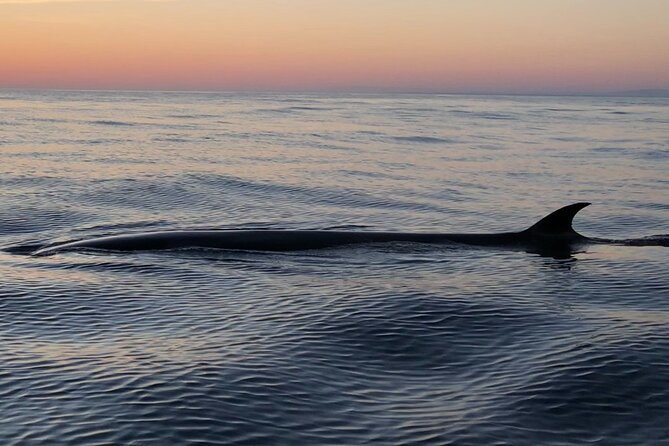
The guides named for this experience are Pedro and Diego, and their role combines safety, interpretation, and wildlife spotting. Their approach is described as friendly and attentive, with care given to the needs of everyone aboard. That matters on a small boat, where clear instructions and a calm manner make the trip more comfortable.
The onboard briefing is not filler. It explains the activity and its rules before the search begins. You can use that time to understand how to behave around marine animals and how the crew gathers information for research.
The strongest feature here is the connection between tourism and science. The biologists collect valuable data while explaining what they are doing. You get a more useful lesson than a basic list of animal names, because the outing shows how field observations can contribute to research.
I also like that the educational side does not appear to replace the fun. The trip still centers on the excitement of scanning the sea for a dorsal fin or a larger blow. The best balance is to let the guides handle the search while you remain alert and enjoy the setting.
What the private format means
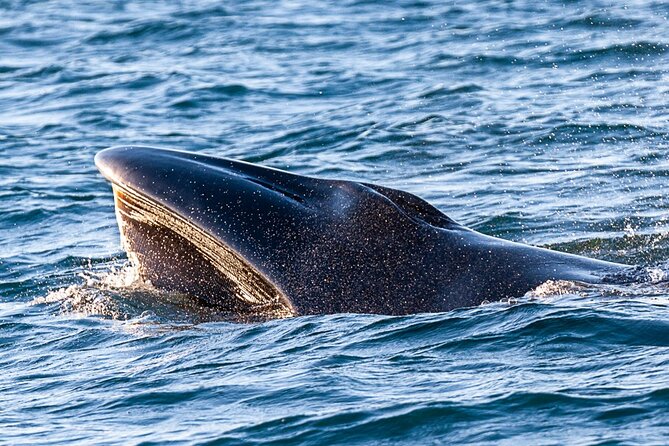
This is a private activity, so only your group participates. That can be a major advantage if you are traveling with family or friends and want a more personal outing. You can ask questions without competing with a large crowd, and the crew can focus its explanations on the people actually aboard.
A private tour does not remove the normal limits of wildlife watching. It cannot make dolphins appear on demand, and it does not guarantee a smoother sea. Its value is in the setting and attention, not in a promise of more animals.
The private structure may also suit people who feel uneasy about joining a crowded boat. You still need to be comfortable on the water, but the smaller social setting can make the experience feel less hectic.
The available information says most people can participate, and the meeting point is close to public transportation. It does not provide detailed information about boat access or support for specific mobility needs. If that matters to you, contact Ocean Vibes Algarve before booking.
Price, timing, and what you need to bring
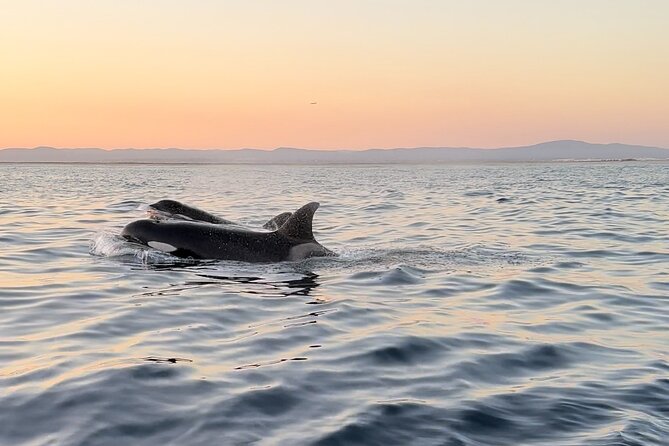
The cost is $78.31 per person. For a 2-hour-30-minute private outing with marine biologists, that price can be fair, especially if your group values personal attention and the scientific element. The value is less certain if you are booking mainly for a guaranteed dolphin photograph, since no wildlife tour can promise that result.
The price includes life jackets. You should bring water because it is not provided. Wind coats are also not included, and an evening boat ride can feel cool even after a warm day on land. Pack a light windproof layer rather than assuming the sunset will stay warm.
The trip is offered in English. That is important if you want to follow the marine explanations and safety briefing closely. Confirmation is received at booking, and the activity is generally open to most participants.
The timing near sunset can be a strong fit for a busy Faro itinerary. You can spend the morning exploring town or the Algarve coast, then reserve the later part of the day for the sea. Just remember that the actual sunset light depends on the date and weather.
Weather, cancellations, and realistic expectations
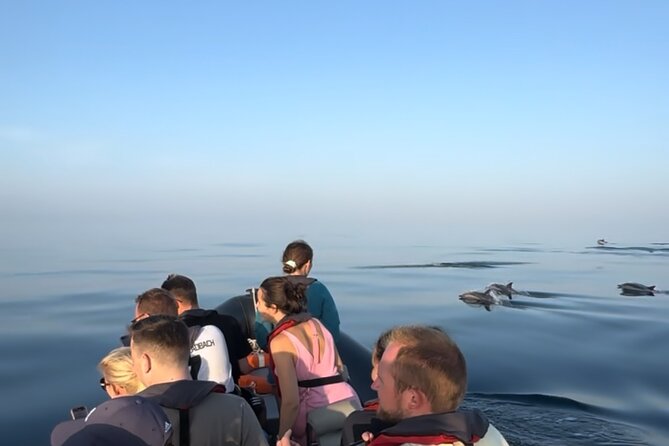
The trip requires good weather. If poor conditions force a cancellation, you are offered another date or a full refund. The activity also needs a minimum number of participants, and if that requirement is not met, you are offered another date or experience, or a full refund.
You can cancel for a full refund up to 24 hours before the start time. Changes or cancellations made less than 24 hours ahead are not accepted and are not refunded. The cut-off follows local time in Faro.
These rules are worth noting because marine outings depend heavily on conditions. A weather cancellation can be disappointing, but it is better than forcing a boat trip into unsafe or uncomfortable conditions. Keep some flexibility in your itinerary if this excursion is a highlight of your visit.
The largest uncertainty is wildlife. Even with experienced biologists, animals may stay underwater, move beyond the search area, or simply not appear during your departure. Go for the chance to see marine life and the pleasure of being on the water, not for a guaranteed checklist.
Who will enjoy this Faro experience most
I would choose this outing if you want a small, educational wildlife trip rather than a large sightseeing cruise. It suits couples, families, and small groups who can appreciate both the search and the setting.
It is also a good match for anyone interested in conservation or field research. The crew’s data collection gives the trip more substance, and the briefing helps you understand why rules around wildlife encounters matter.
The experience may not suit you if you dislike open-water uncertainty or need a fixed schedule of animal sightings. It may also be less appealing if you want a long full-day cruise, since this outing lasts around two and a half hours.
You should also think about the sunset hour. Some people will love finishing the day on the water. Others may prefer a morning activity or find evening plans harder with young children. The trip itself is not described as difficult, and most people can participate, but you should still bring suitable clothing and water.
Should you book Sunset Dolphin Watching with Marine Biologists?
Book it if you want more than a quick boat ride. The combination of Ria Formosa, open Atlantic water, marine biologists, and sunset light gives the experience a clear identity. Pedro and Diego add a personal guide element, while the private format makes the outing easier to enjoy at your own pace.
The strongest reasons to go are the scientific focus, the chance of seeing several dolphin species, and the possibility of seasonal whales in late winter and spring. The main reason to hesitate is the lack of certainty. Wildlife may not appear, and the sea may change the plan.
For a private 2-hour-30-minute trip at $78.31 per person, I see good value for people who care about the quality of the experience, not just the result. Bring a wind coat, carry water, keep your schedule flexible, and treat any dolphin, whale, shark, or seabird sighting as a gift from the sea.
FAQ
Where does the dolphin watching tour start and finish?
It starts at Ocean Vibes Algarve, Ocean Emotions, Passeio Abu Sào Ibn Harune Loja B, 8000-541 Faro, Portugal. The activity finishes back at the same meeting point.
How long does the experience last?
The tour lasts approximately 2 hours and 30 minutes.
Which animals might I see?
The most commonly sighted species are common dolphins, bottlenose dolphins, and striped dolphins. Sharks and marine birds may also appear. In late winter and spring, fin whales and minke whales are possible.
Is the tour offered in English?
Yes. The activity is offered in English.
What is included in the price?
Life jackets are included. Wind coats and water are not included, so you should bring your own water and suitable clothing.
Can I cancel for a full refund?
Yes. You can cancel at least 24 hours before the start time for a full refund. Cancellations or changes made less than 24 hours before the start time are not refunded. If poor weather or an insufficient minimum number of participants cancels the activity, you are offered another date or experience, or a full refund.
Just added on the water around Faro
- FARO Fantastic Dolphin Observation Tour and Marine Life★ 5.0 · 8 reviews
- Dolphin watching and wildlife from Faro★ 5.0 · 6 reviews
- Observing Dolphins in Faro★ 5.0 · 21 reviews
- Dolphin Watching from Faro★ 4.5 · 22 reviews
- Algarve Dolphin Watching & Marine Life Eco Tour★ 5.0 · 16 reviews
- Dolphin Watching from Fuzeta★ 4.5 · 31 reviews
- Faro: Funtastic Dolphin Watching Boat Tour★ 4.9 · 15 reviews
- From Faro: Dolphin Watching & 2 Islands Tour★ 4.4 · 73 reviews
Faro Dolphin Watching Tours, compared.
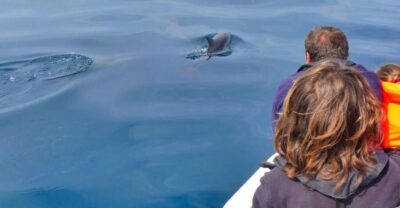
Dolphin and Wildlife Watching in the Atlantic Ocean
Our review of this trip →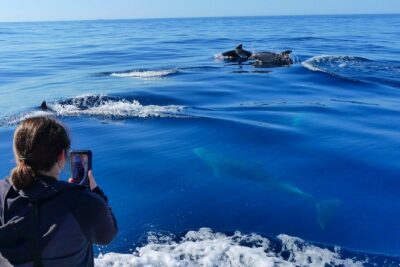
Small Group Dolphin and Wildlife Watching Tour in Faro
Our review of this trip →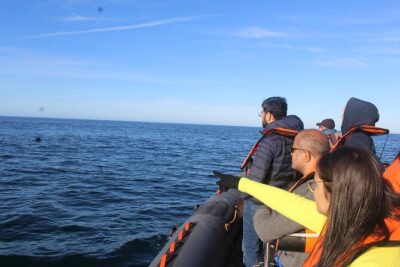
Dolphin Watching + 2 Islands Tour – From Faro
Our review of this trip →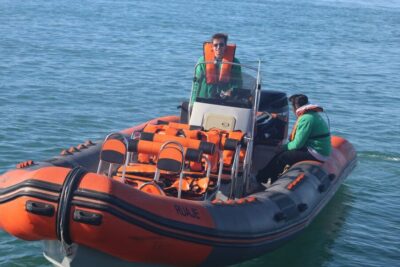
Browse the lists this tour appears in