
Review · PORTUGAL
Faro: Dolphin and Wildlife Watching in the Atlantic Ocean
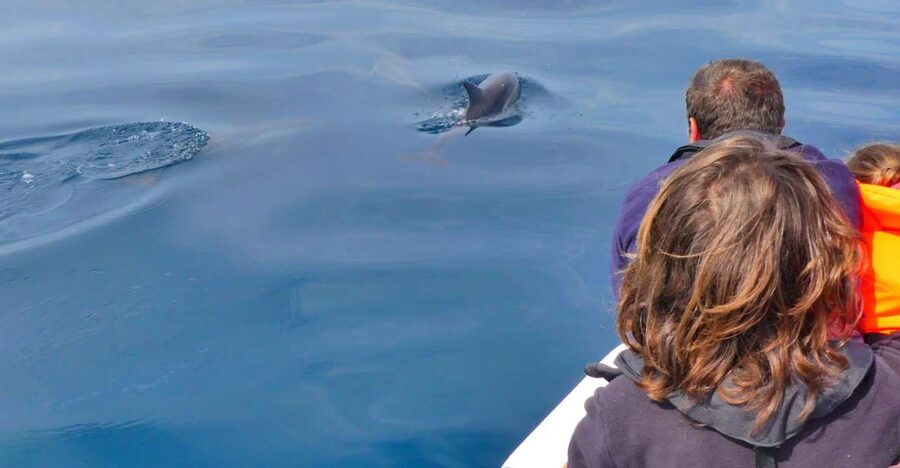
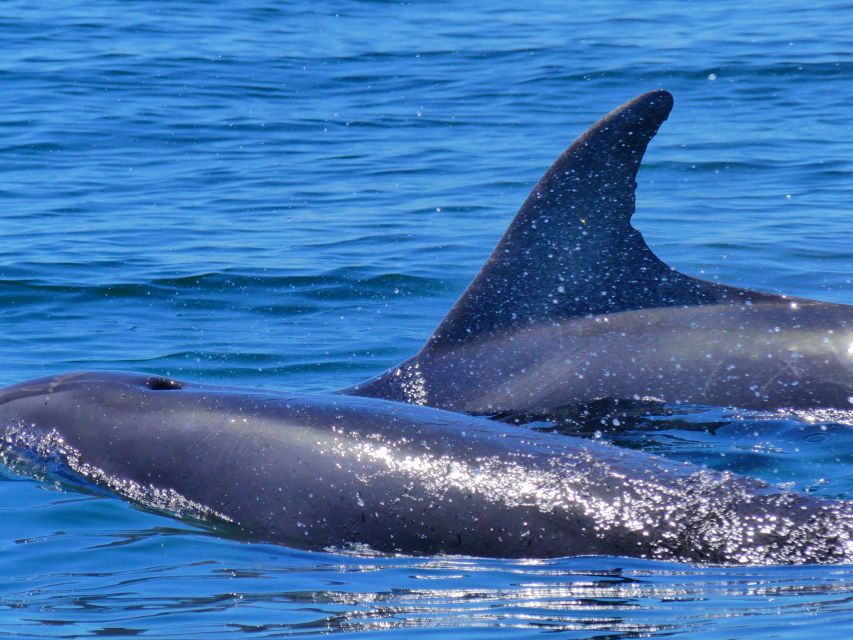
The real draw here is the chance to see wild dolphins on their own terms, not animals trained to perform. From Faro, a small boat crosses the Ria Formosa and heads into the Atlantic, where dolphins, whales, porpoises, seabirds, turtles, sharks, and sunfish may appear. I like the marine biology team’s careful approach, and I like that the tour includes a proper explanation of how dolphin sightings support research. The main catch is simple: wild animals do not follow a schedule.
I also like the strong sense of purpose behind the trip. Guides such as Miguel, Pedro, Ines, Alfredo, and Susanna explain animal behavior and keep a respectful distance. The drawback is the ride itself. The boat moves fast, the Atlantic can be choppy, and your seat may feel hard by the end. Bring a jacket, water, sunscreen, and a stomach that handles motion well.
Key points to know before you book
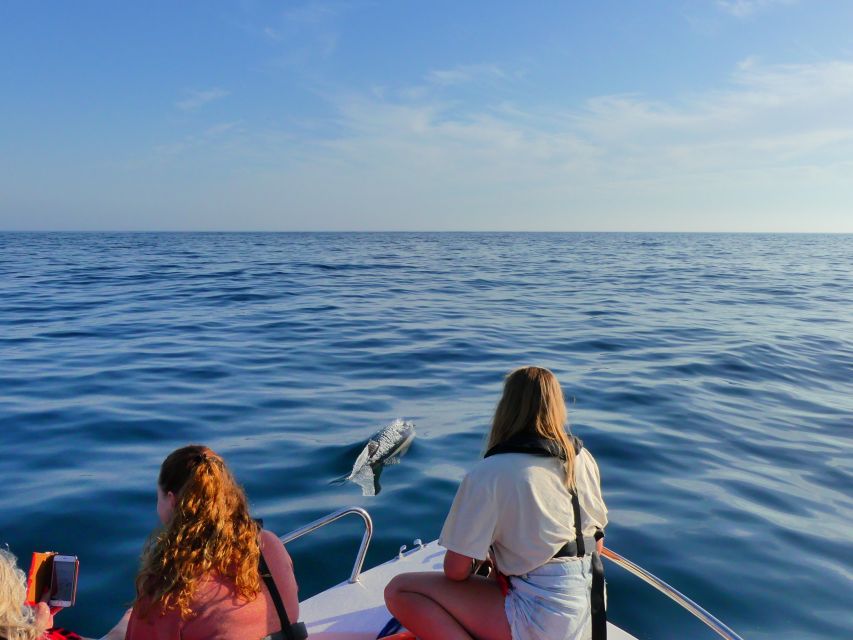
- Dolphins are present year-round, while the best stated period for whale sightings is February through May.
- The trip begins in Ria Formosa, with views of Deserta and Culatra islands before reaching open water.
- Two marine biologists usually guide the outing, combining wildlife searches with clear explanations about local species.
- A dolphin sighting normally includes up to 30 minutes of observation, with strict limits designed to avoid stressing the animals.
- The boat ride can be rough and wet, especially in wind or Atlantic swell.
- Sightings are not guaranteed, although the operator reports success on about nine out of ten tours.
From Faro marina to the edge of the Atlantic
You meet at the Ocean Vibes Algarve office in Faro harbour. Look for the shared shop with the banner marked Ocean Emotions. Hotel pickup is not included, so you need to make your own way to the marina.
The outing lasts about two and a half hours. After a short introduction, the crew explains the safety rules and provides life jackets. The guides speak English, French, Portuguese, and Spanish, so you can choose the language that works best for your group.
The first part is more than a transfer to the open sea. You cruise through Ria Formosa Natural Park, a broad coastal system of marshes, channels, and barrier islands. The views toward Deserta and Culatra give you a calm start before the boat picks up speed.
This section also helps you understand the setting. Faro is not simply a launch point beside a beach. It sits beside a protected wetland that connects inland waters with the Atlantic. Birds and other coastal life may appear here, and the changing scenery gives you something to watch if the ocean search takes time.
More Dolphin and Wildlife Eco Tours in Portugal
- Small Group Dolphin and Wildlife Watching Tour in Faro
★ 5.0 · 578 reviews - Sagres: Wildlife Tour Dolphins and Caves
★ 4.7 · 106 reviews - Terceira: Whale & Dolphin Watching | Best Wildlife Tour
★ 4.7 · 55 reviews
The open-water search takes patience
Once you reach the Atlantic, the guides begin scanning for signs of life. They look for fins, splashes, groups of birds, and other clues that can reveal where animals are feeding or moving.
This is not a ride to a fixed dolphin enclosure. The crew may search in several areas, and you might spend much of the trip looking across open water before anything appears. One group needed about 45 minutes before finding dolphins, while another spent most of the first two-thirds of the trip searching. That waiting is part of the experience, not a mistake in the schedule.
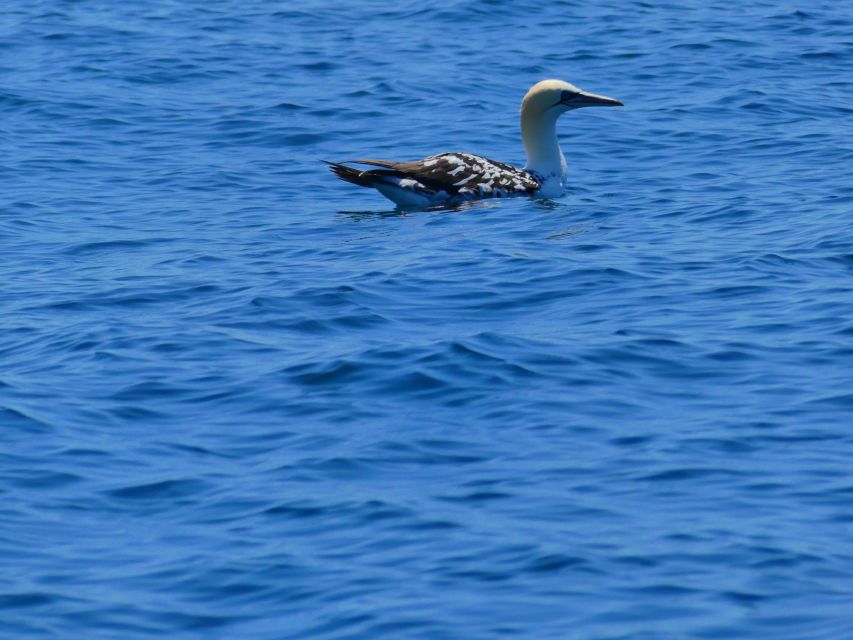
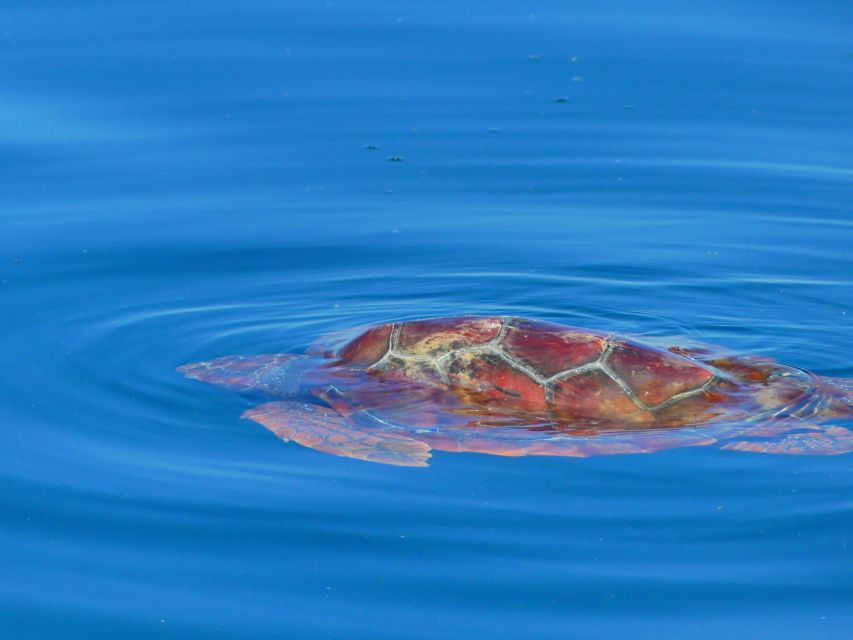
The payoff can be dramatic. Possible sightings include common dolphins, bottlenose dolphins, striped dolphins, porpoises, fin whales, Bryde’s whales, orcas, and false killer whales. Some outings have also produced ocean sunfish, blue sharks, hammerhead sharks, marine turtles, gannets, shearwaters, puffins, and tuna.
You should keep expectations sensible. The activity states that dolphins are seen on roughly nine out of ten tours, but no wild sighting is certain. Even a trip without an animal encounter still gives you a fast boat ride through the Atlantic and views of the Algarve coast, but you should book this for the possibility of wildlife, not a guaranteed show.
Dolphins in the wild, with rules that matter
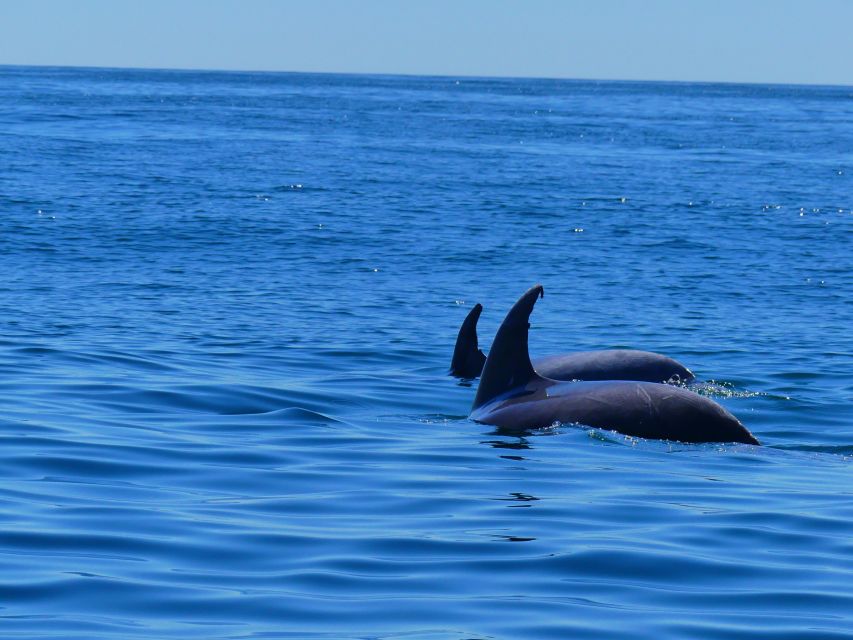
When the boat finds dolphins, the experience changes from a search to a quiet period of observation. The group can normally watch one pod for about 30 minutes. The crew maintains space and lets the animals decide how close they want to come.
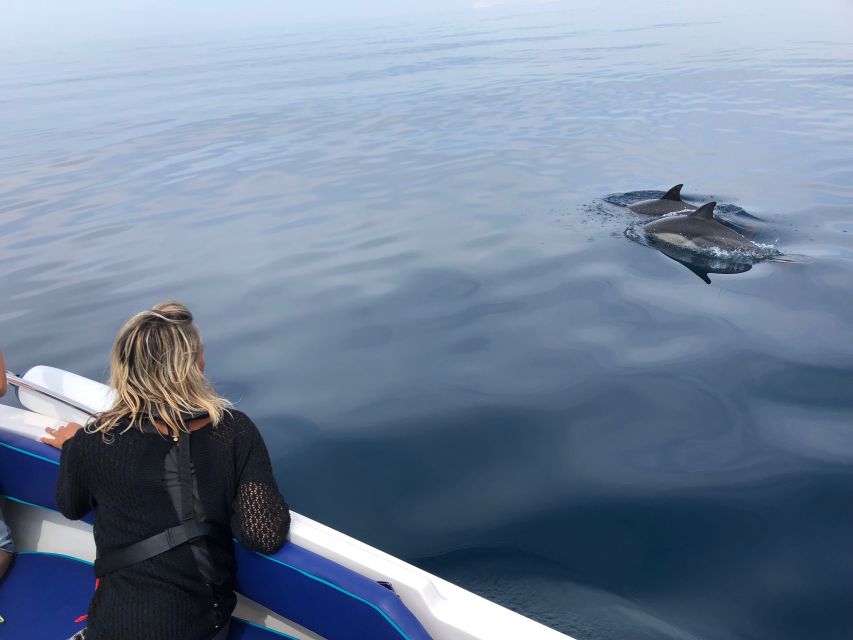
That distinction matters. Dolphins sometimes swim alongside the boat, pass beneath it, or leap near the hull. The boat does not need to chase them aggressively to create a memorable sighting. You can watch natural movement, social behavior, and the way a pod travels through the water.
You are not allowed to feed or touch the animals. Smoking and pets are also not allowed, although assistance dogs are permitted. These rules are easy to follow, and they keep the focus on seeing marine life without turning the encounter into a hands-on attraction.
The guides also explain how biologists collect information about dolphin populations. That extra context gives the sighting more meaning. You are not just trying to take a photograph of a fin. You are learning how researchers identify species, observe behavior, and build a clearer picture of life in the ocean.
Why the marine biologists make a difference
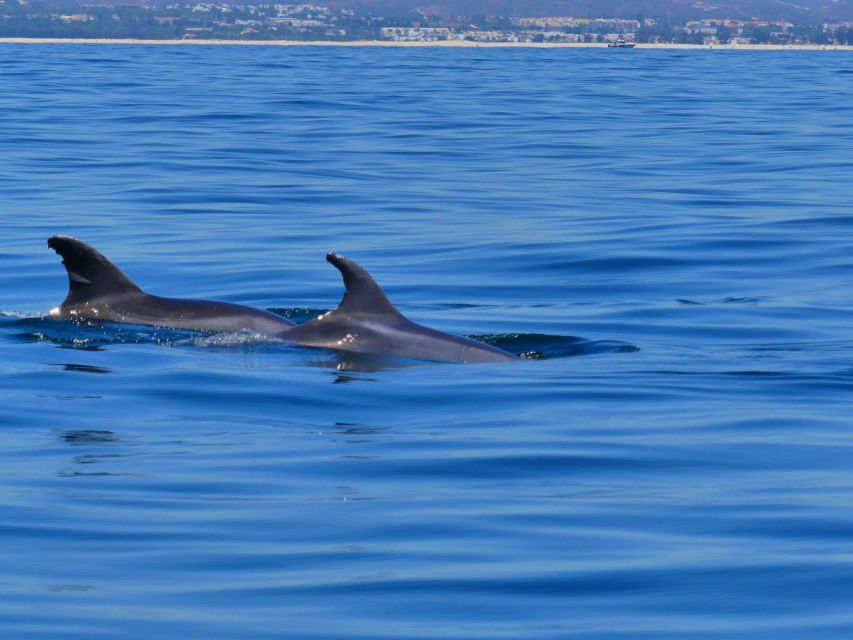
The strongest part of this tour is the guide team. Names reported for different departures include Miguel, Pedro, Ines, Alfredo, Susanna, Pablo, and Inea. The exact pair depends on the day, but the format remains similar: two marine biologists work with the skipper to find animals and explain what you see.
A good wildlife guide has two jobs. First, the guide needs sharp eyes and patience. Second, the guide must help you understand what you are looking at. Here, the crew explains dolphin habits, species differences, feeding patterns, and the rules for approaching marine life.
That education is especially useful when the sea is busy with movement. A quick glimpse of a fin can be hard to identify on your own. The guides can put the sighting into context, explain why certain animals are in the area, and point out seabirds that you might otherwise miss.
I also appreciate the crew’s visible respect for the animals. The experience is built around observing, not touching, feeding, or forcing interaction. On some outings, the crew stayed out longer than planned when there was a worthwhile chance to find or watch wildlife. You should not assume every departure will run late, but it is wise to leave some spare time after the tour.
Same water, a different boat:
- Albufeira: 2.5-Hour Benagil Caves & Dolphin Watching
★ 4.6 · 10,710 reviews - From Funchal: Ecological Catamaran Dolphin Whale Watching
★ 4.5 · 8,204 reviews - Albufeira: Benagil Caves & Dolphin Watching Speed Boat Tour
★ 4.6 · 6,316 reviews - Funchal: Dolphin and Whale Watching Catamaran Cruise
★ 4.5 · 5,697 reviews
Whales, orcas, and the timing of the year
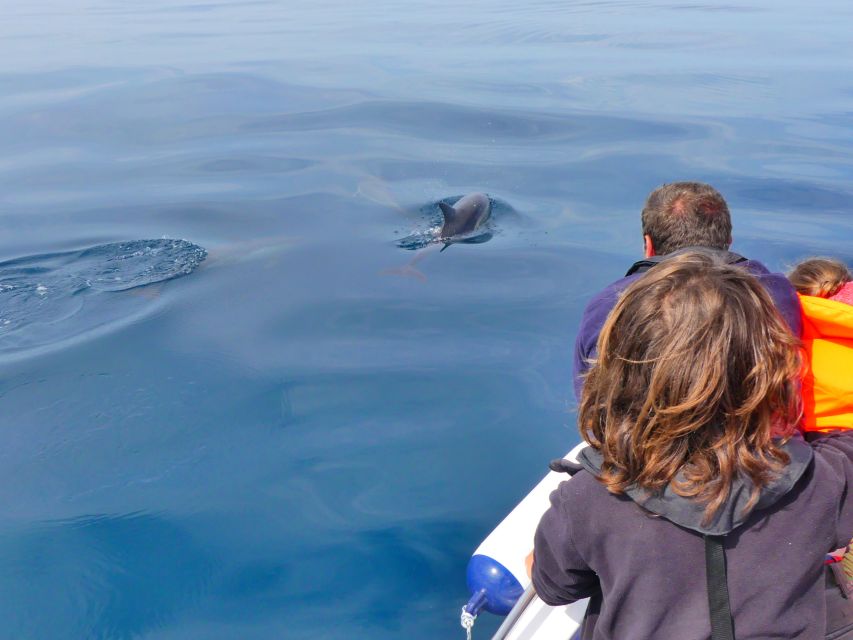
Dolphins are the most dependable target because they live in the area throughout the year. Whale sightings are more seasonal, with February through May identified as the main whale period.
Spring can be an especially appealing time if whales are high on your list. Sightings have included fin whales, Bryde’s whales, and mothers with calves. One outing in March found fin whales early in the season, while several May trips combined dolphins with whales.
Summer and early autumn can still produce excellent wildlife. Reports from June through September include common and bottlenose dolphins, whales, sharks, sunfish, and even orcas. These rarer encounters are exciting, but you should treat them as lucky possibilities rather than normal results.
The best time depends on your priority. Choose February through May if whales matter most. Choose any season if dolphins are your main goal and you can accept the normal uncertainty of wildlife watching.
What the ride feels like in practice
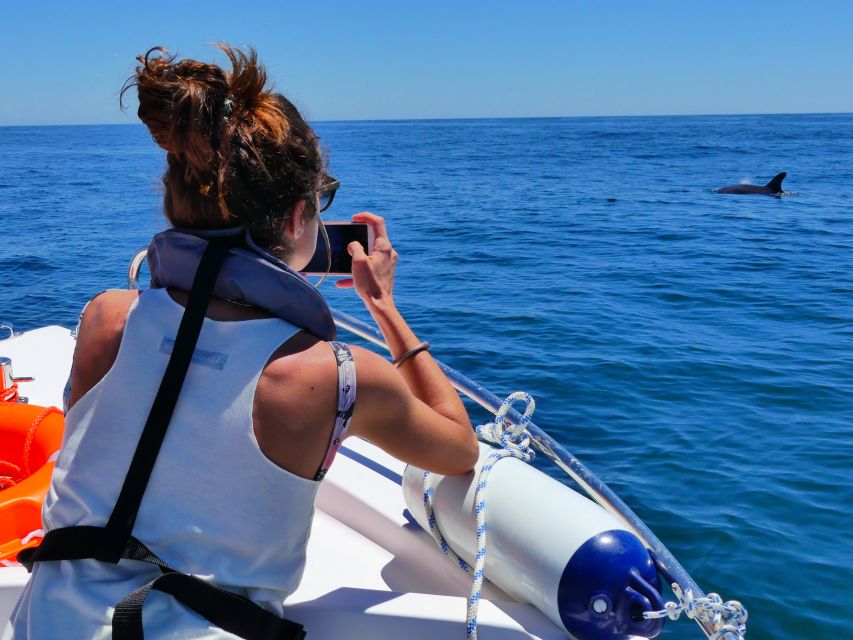
This is a fast boat trip, not a smooth sightseeing cruise. The ride can be bumpy as you leave the harbour and more demanding once the boat reaches Atlantic swell. Several departures were described as fun and exhilarating, but also as rough enough to leave passengers with a sore seat or a touch of seasickness.
You may get a little wet on a windy day. Bring a jacket even if Faro feels warm on land, since the wind can be cold once the boat is moving. Comfortable clothes are recommended, along with water and sunscreen.
The experience is not suitable for children under two, pregnant women, people with back problems, or people with mobility impairments. It is also not recommended for anyone with limited mobility. You need to be comfortable getting onto a boat and sitting through a lively ride.
If you are prone to motion sickness, plan ahead. One person specifically took motion-sickness tablets before facing the Atlantic swell. The trip may feel like a small roller coaster when the water is rough, which is part of its appeal for some people and a real drawback for others.
Is $76 a fair price?
At $76 per person, this is not the cheapest boat ride around Faro. The value depends on what you want from the outing.
You are paying for more than transport. The price includes the guided boat tour, life jackets, and a marine biology team searching for wildlife and explaining what appears. A casual harbour cruise may cost less, but it will not offer the same focus on cetaceans, animal behavior, or conservation.
The small-boat format also matters. You are close enough to hear the guides and follow the search, rather than being one person in a large crowd. The tradeoff is comfort: a small fast boat gives you a closer-to-the-water feeling but less shelter and less room to shift around.
I consider the price reasonable for anyone who values wild animals, expert interpretation, and a genuine Atlantic outing. It is harder to justify if you need a guaranteed sighting, dislike bumpy water, or want a relaxed cruise with very little physical motion.
Free cancellation up to 24 hours before departure and a reserve-now, pay-later option make planning easier. Those policies are useful here because weather and sea conditions can affect how comfortable the outing feels.
Who will enjoy this most
I would choose this trip if you are excited by marine life and happy to spend time searching. It suits couples, families with older children who can handle the boat, solo visitors, and anyone who prefers a small educational outing to a standard coastal cruise.
It is a particularly good fit if you want to:
- See dolphins in their natural habitat
- Learn from marine biologists rather than a general boat narrator
- Combine Ria Formosa scenery with an Atlantic trip
- Look for whales during the February to May season
- Support a wildlife approach based on distance and observation
- Enjoy a fast ride as part of the adventure
I would think twice if you have back problems, limited mobility, are pregnant, or strongly dislike motion. You also need to be comfortable with uncertainty. A beautiful pod may appear, or the ocean may offer only seabirds and open water on your departure.
Small details that improve the outing
Arrive at the Ocean Vibes Algarve office in time to find the correct shared shop and complete the pre-trip instructions. The banner says Ocean Emotions, which is useful because the meeting-point name and activity name are not identical.
Wear layers. Faro can be sunny and warm, while the wind on the Atlantic feels much colder. A light waterproof jacket is more useful than beach clothing.
Keep your schedule open after the activity. If the guides find a rare group or receive useful information from another boat, the search may continue a little longer. This flexibility can lead to a special sighting, but it means you should not book a tight connection or an appointment immediately afterward.
Finally, watch the sea as well as the animals. Even before a sighting, you may see gannets and shearwaters overhead, sunfish near the surface, or the changing colors of the water around the barrier islands. The more you pay attention, the less the search feels like dead time.
Should you book this Faro dolphin tour?
Book it if you want a real wildlife search led by marine biologists, and if the idea of a fast, sometimes bumpy Atlantic ride sounds exciting. The dolphin success rate is strong, the guides take animal welfare seriously, and the possible list of species is unusually broad.
I would book in February through May if whales are a major goal. At other times, go mainly for dolphins and the chance of unexpected sightings such as sharks, sunfish, orcas, and turtles.
Skip it if you need guaranteed wildlife, a smooth boat, or easy access. For everyone else, $76 buys a focused and unusually meaningful half-day experience from Faro, with the chance to see the Atlantic as a living place rather than just a blue view from shore.
FAQ
Where does the dolphin tour meet in Faro?
Meet at the Ocean Vibes Algarve office in Faro harbour or marina. Look for the shared store with a banner saying Ocean Emotions.
How long does the activity last?
The tour lasts about 2.5 hours. You should allow extra time afterward in case the wildlife search runs slightly longer.
Are dolphins guaranteed?
No. Dolphins are wild animals, so sightings cannot be guaranteed. The stated normal success rate is about nine out of ten tours.
When is the best time to see whales?
The stated whale season is between February and May. Dolphins are resident in the area throughout the year.
What other animals might I see?
Possible sightings include whales, porpoises, orcas, seabirds such as gannets and shearwaters, ocean sunfish, blue sharks, hammerhead sharks, marine turtles, and tuna.
How long can I watch a dolphin group?
After a group is found, you normally have up to 30 minutes to watch it. The guides follow rules designed to avoid stressing the animals.
What should I bring?
Bring comfortable clothes, water, sunscreen, and a jacket. Windy days can feel cold, and you may get a little wet.
Is the tour suitable for everyone?
It is not suitable for children under two, pregnant women, people with back problems, or people with mobility impairments. It is also not recommended for people with limited mobility.
Just added on the water around Portugal
- Arrábida Natural Park/Sesimbra: Dolphin Watching★ 5.0 · 2 reviews
- Algarve Dolphin Watching & Marine Life Eco Tour★ 4.6 · 47 reviews
- Albufeira: Benagil Cave and Dolphin Sightseeing Boat Cruise★ 4.8 · 334 reviews
- Albufeira: Dolphins & Benagil Caves RIB Tour★ 4.6 · 241 reviews
- Watching whales and dolphins on Terceira Island★ 5.0 · 150 reviews
- Whale and Dolphin Watching Tour at Terceira Island★ 5.0 · 39 reviews
- Terceira: Swimming with Wild Dolphins | Natural Habitat★ 4.8 · 51 reviews
- Sesimbra: Arrábida Dolphin and Whale Watching with Biologist★ 4.9 · 310 reviews
Portugal Dolphin Watching Tours, compared.
2.5-Hour Benagil Caves & Dolphin Watching
Our review of this trip →
Ecological Catamaran Dolphin Whale Watching
Our review of this trip →
Benagil Caves & Dolphin Watching Speed Boat Tour
Our review of this trip →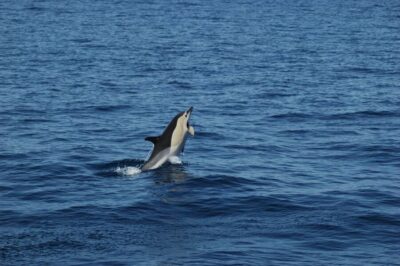
Dolphin and Whale Watching Catamaran Cruise
Our review of this trip →
Dolphins Search and Benagil Caves from Albufeira
Our review of this trip →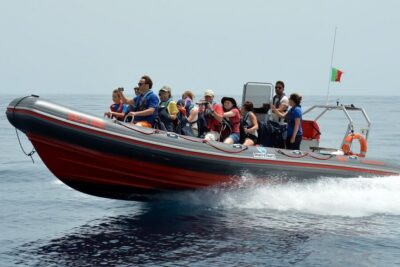
Dolphin Watching and Benagil Cave Boat Cruise
Our review of this trip →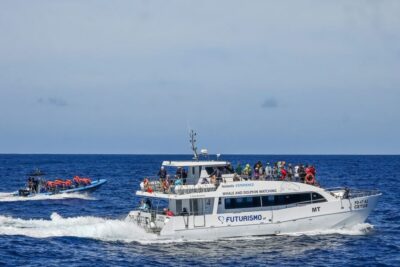
From Ponta Delgada: Whale and Dolphin Watching Trip
Our review of this trip →Browse the lists this tour appears in