
Review · NEW ZEALAND
Motuara Island Sanctuary: Wildlife & Dolphin Watching Tour
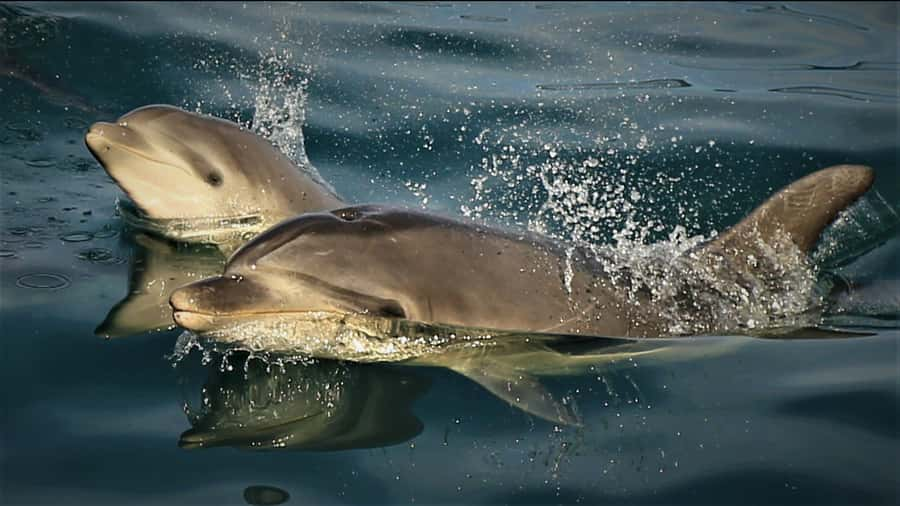
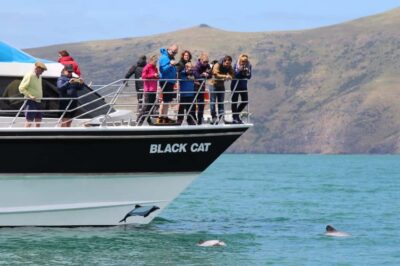
Motuara Island is the star here: a predator-free sanctuary where native birds can live without the pressure of introduced rats and stoats. Getting there by boat adds the fun, with chances to spot dolphins, King Shags, penguins, seals, and perhaps Orca among the calm waters of Queen Charlotte Sound.
I like the small guided groups, with up to 15 people, and the practical touch of onboard binoculars, bird cards, and free wildlife photos. I also like that part of the fare supports conservation. The main caution is simple: wildlife follows its own timetable, and bad weather can limit sightings or push you indoors on a boat with limited interior space.
Key points
- Motuara Island sanctuary: Walk forest trails in a DOC reserve protected from introduced predators.
- Dolphins and seabirds: Look for Hector’s, bottlenose, common, and dusky dolphins, plus King Shags, penguins, gannets, and Orca.
- Small-group guiding: The tour keeps the group to a 1-to-15 guide ratio, with English commentary from WCA-certified marine guides.
- Useful gear included: Binoculars, species ID cards, hot drinks, biscuits, and free high-quality wildlife photos are provided.
- Two useful departure times: Choose the 8:00 AM or 1:30 PM departure, with afternoon trips including local Pinot Gris.
- Conservation with your booking: E-Ko Tours directs part of each booking toward endangered species protection and ecosystem restoration.
Why Motuara Island is worth the boat ride
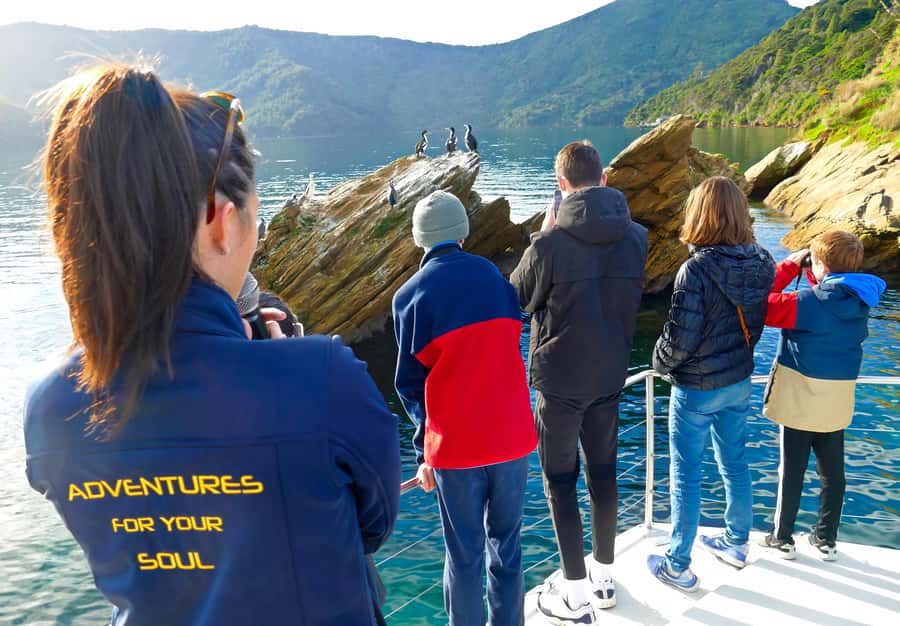
Motuara Island is not simply a scenic stop. It is a DOC reserve managed as a predator-free sanctuary, which gives rare native birds a safer place to feed, nest, and call from the forest.
That matters when you hear a Saddleback, Bellbird, or Robin along the trail. You are not just ticking birds off a card. You are seeing what conservation can make possible when introduced predators are kept away.
The island visit also gives the tour a welcome change of pace. The cruise is about scanning the water and shoreline. On Motuara, you step ashore, walk forested paths, and listen for movement in the trees. Bring comfortable shoes, since this is an active shore visit rather than a boat-only outing.
The information provided does not give a precise walking distance or trail difficulty. I would expect a short guided outing rather than a long hike, but you should still be comfortable walking on uneven ground. The experience is not suitable for wheelchair users, and mobility scooters are not allowed.
More Dolphin and Wildlife Eco Tours in New Zealand:
- Akaroa Dolphins ~ Harbour Nature Cruise
★ 5.0 · 2,143 reviews - Auckland: Whale and Dolphin Watching Half-Day Eco Cruise
★ 4.5 · 1,072 reviews - Akaroa: Dolphin Nature Cruise
★ 4.9 · 440 reviews
Cruising Queen Charlotte Sound from Picton
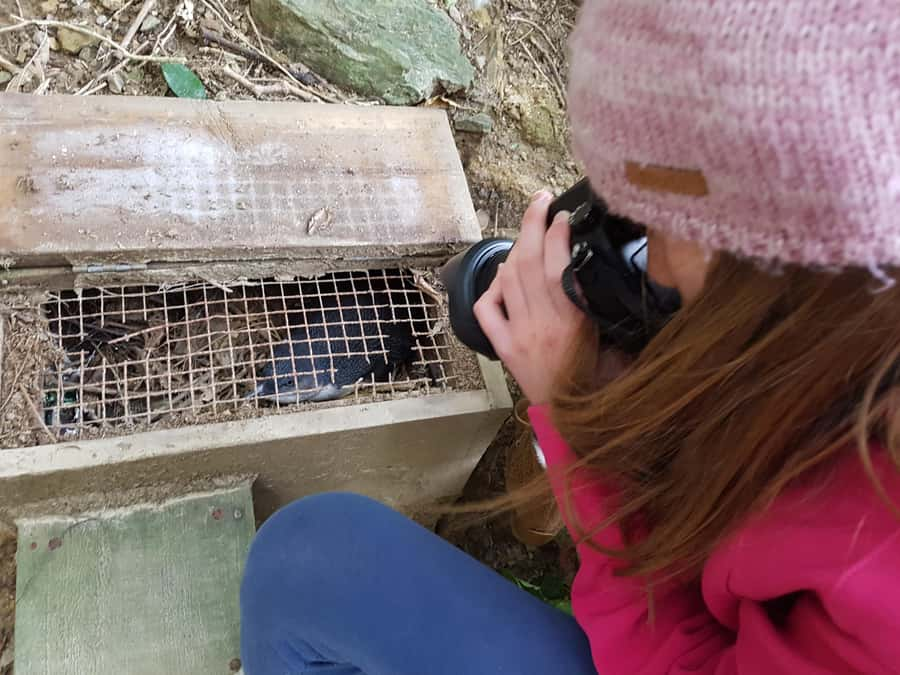
Your morning begins at the E-Ko shop on Picton Waterfront, at 1 Wellington Street. Look for the dolphin sign. The briefing is listed for 7:45 AM, with departure at 8:00 AM. The afternoon briefing is at 1:15 PM, followed by departure at 1:30 PM.
Once aboard, the boat travels through the sheltered waters of Queen Charlotte Sound. This is a good setting for wildlife watching because the route is described as calm and protected, and the crew keeps the focus on the water, islands, and shoreline.
The boat cruise is listed as about one hour within the four-hour tour, with the full outing including the island visit and return journey. Captain Dan, mentioned by name in the feedback, has been praised for both his boat handling and his commentary. Other guides named include Courtney and Connor, both noted for clear, engaging explanations.
The small-group setup is useful here. With no more than 15 people per guide, you should have a better chance of hearing the commentary and getting a look through the binoculars than on a large sightseeing vessel. It also makes it easier to ask about a bird, dolphin, or stretch of coast while the sighting is still fresh.
The boat has an inside area, but the available space is limited. On a sunny day, you will probably want to spend much of the trip outside for the best views and photographs. On a wet or windy day, the limited indoor seating becomes a real consideration, especially for families or anyone who gets cold easily.
Watching for dolphins, seals, and Orca
The wildlife list is broad. Possible sightings include Hector’s dolphins, bottlenose dolphins, common dolphins, dusky dolphins, Orca, seals, King Shags, Little Blue Penguins, and gannets.
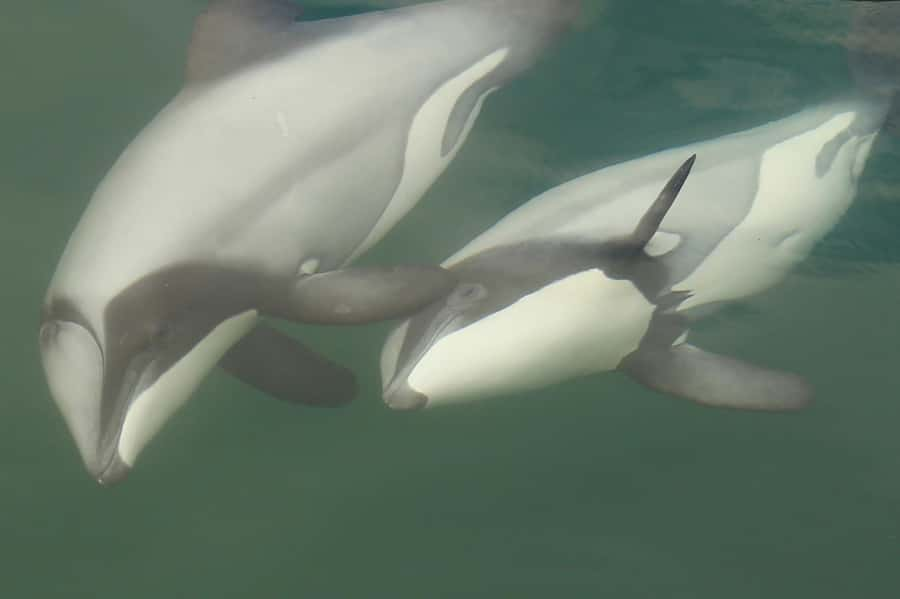
Hector’s dolphins are the special target. They are native to New Zealand and smaller than many dolphin species, so binoculars and a guide who knows where to look are valuable. The tour supplies binoculars and species ID cards, and the crew says some animals can appear close enough for a phone photograph.
You may also see several kinds of seabirds. King Shags are a notable find, while Little Blue Penguins and gannets add variety to the trip. The island itself shifts attention toward forest birds, including Saddlebacks, Bellbirds, and Robins. That mix is one of the tour’s strengths. You are not spending four hours hoping for one particular dolphin species.
Still, do not treat the wildlife list as a menu. One outing had poor weather and did not produce all the hoped-for sightings, although the guides adjusted the experience and kept the commentary useful. Another outing included dolphins, seals, and unusual bird species. That is the honest pattern for any wildlife trip: conditions and animal behavior matter.
E-Ko advertises a 100 percent endangered species encounter guarantee. The exact terms of that promise are not explained in the supplied details, so I would ask the operator how it works before booking if a particular species is your main reason for going. The practical advice is to value the full experience, including the Sound and Motuara Island, rather than judging the day only by whether an Orca appears.
Walking Motuara’s forest trails
The island visit is the part that gives this outing more purpose than a standard dolphin cruise. A guide leads you through the sanctuary, pointing out the birds and explaining why the reserve matters.
Saddlebacks are one of the most appealing possible sightings. Bellbirds provide a familiar New Zealand forest sound, while Robins can reward patient looking near the trail. You may not see every species listed, but the guide helps you notice calls and movement that you might otherwise miss.
The supplied details do not specify how long you spend ashore or how strenuous the trail is. I would plan for a guided walk in comfortable shoes and avoid treating it as a formal hike. Bare feet are not allowed, and the tour is not suitable for wheelchair users.
This stop also changes the rhythm of the day. On the boat, you are watching for movement at a distance. On the island, you can slow down and pay attention to the forest. For anyone interested in New Zealand birds or conservation, that contrast is a major reason to choose this tour.
More dolphin watching tours in New Zealand:
- Auckland Dolphin and Whale Watching Eco-Safari Cruise
★ 4.5 · 1,790 reviews - Paihia/Russell: Hole in the Rock, Dolphins & Island Cruise
★ 4.6 · 821 reviews - Auckland: Tikapa Moana Whales, Dolphins and Islands Cruise
★ 3.9 · 292 reviews - Swimming with Wild Dolphins in Akaroa
★ 4.5 · 261 reviews
The guides make the difference
Wildlife trips depend heavily on the crew. Here, the marine guides hold WCA certification, and the tour includes live English commentary throughout the outing.
Courtney and Dan have been singled out for informative and interesting commentary about the Sound. Connor has been praised for friendly explanations, while Dan has also been noted as a capable skipper. The strongest part of the feedback is not a single lucky sighting. It is the sense that the guides stay engaged when weather or wildlife fails to cooperate.
That is important. A good guide gives you something useful to watch for, explains why an animal is present, and helps you identify species instead of simply pointing and moving on. The tour supplies species cards, but the guide’s interpretation turns those cards into a practical tool.
The crew may also extend the tour to look for more wildlife. That is a generous touch, although you should not assume every departure will run longer. If you have a tight connection afterward, leave plenty of room in your schedule.
What is included, and what you should bring
The $100 price includes the four-hour wildlife outing, the boat cruise, guided access to Motuara Island, expert commentary, binoculars, species ID cards, hot drinks, and biscuits. The company also provides free high-quality wildlife photographs, which can be useful when an animal appears too quickly for your phone.
Morning and afternoon departures have slightly different refreshments. Both include tea, coffee, hot chocolate, and biscuits. Afternoon trips add a complimentary glass of local Pinot Gris on the return journey.
Lunch is not included. Bring your own, or buy water and drinks at the E-Ko shop before departure. The supplied details do not state whether there is a dedicated lunch break, so pack something easy to carry and do not count on a full meal being provided.
Families get a few extra touches: children’s toys, books, and drawing boards are available. That will not replace outdoor clothing or snacks, but it can help during slower stretches of the cruise.
Wear comfortable shoes and dress for changing conditions on the water. The tour describes the Sound as sheltered, and it includes an exclusive no-seasickness guarantee, but no boat trip can make weather irrelevant. If you want to spend time outside, a sunny day will be more comfortable. The inside space is limited, so plan accordingly.
Is the $100 fare good value?
At $100 per person, this is not the cheapest way to see the Marlborough Sounds. The value comes from the combination of services rather than from the boat ride alone.
You are paying for a four-hour outing, a small guided group, a wildlife-focused crew, Motuara Island access, binoculars, species cards, hot drinks, photographs, and a conservation contribution. A standard scenic cruise may give you views of the Sound, but this trip adds a rare-bird sanctuary and hands-on identification help.
I also place real value on the conservation link. Part of each booking supports endangered species protection and ecosystem restoration in the Marlborough Sounds. That does not make the wildlife sightings more certain, but it gives your ticket a useful purpose beyond entertainment.
The fare makes the most sense if you care about birds, marine mammals, photography, or protected areas. If you only want a quick scenic boat ride, four hours and $100 may feel like too much. If you want a guided nature outing with a real shore visit, the price is easier to justify.
Choosing the morning or afternoon departure
The morning tour leaves at 8:00 AM after a 7:45 AM briefing. The afternoon tour leaves at 1:30 PM after a 1:15 PM briefing and includes a glass of Pinot Gris.
Choose the morning if you prefer an earlier start or want to keep the rest of your day open. Choose the afternoon if the wine is appealing or if your schedule works better after lunch. The supplied information does not promise different wildlife conditions between the two departures, so I would choose based on your plans and the weather forecast.
Cruise ship visitors should note the special departure times listed for cruise ship days: 8:30 AM and 1:00 PM. Confirm the correct schedule when booking, since the standard briefing and departure times are listed separately.
Free cancellation is available up to 24 hours before departure, and you can reserve now and pay later. That helps if your plans around Picton are still shifting, but it does not remove the need to check the meeting time carefully.
Who will enjoy this outing most
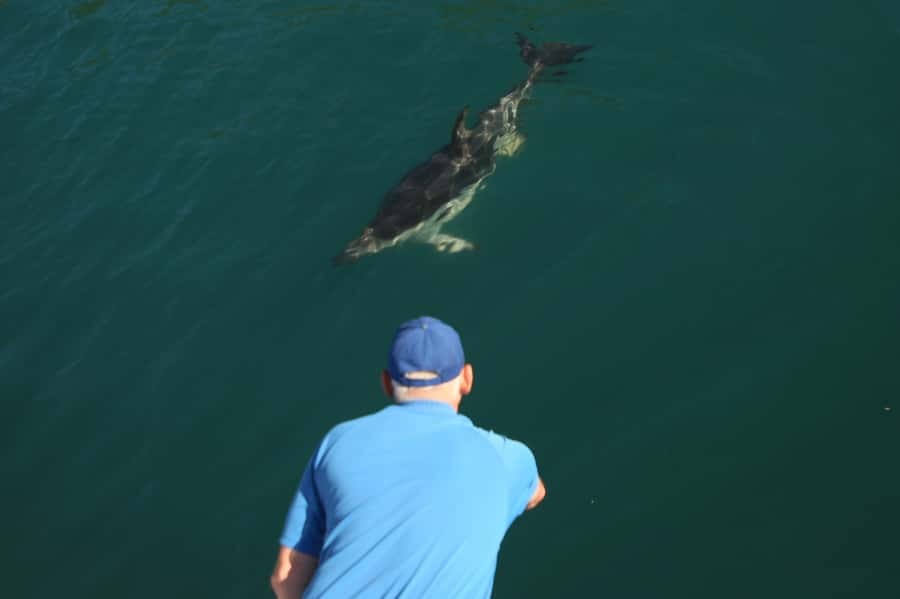
I would recommend this tour to anyone who wants more than a passive boat ride. Bird lovers will appreciate Motuara’s sanctuary and the chance to hear native species in protected forest. Families can use the children’s books, toys, and drawing boards, while the short format keeps the day manageable.
It also suits visitors who want a conservation-minded activity. Your booking supports local efforts, and the island visit shows why predator control matters in practical terms.
Photographers should bring a phone or camera, but keep expectations sensible. The crew provides photographs and says animals can come close, yet wildlife never follows a script. The best approach is to watch first and photograph second.
I would think twice if you need step-free access, rely on a mobility scooter, dislike boats, or need guaranteed sightings of one particular species. The tour is not suitable for wheelchair users, mobility scooters are not allowed, and interior boat space is limited.
Should you book Motuara Island Sanctuary?
Book it if you want a compact, well-supported nature outing that combines marine wildlife with a proper island visit. The small group, useful viewing gear, strong guide commentary, and conservation focus give it more substance than a simple Sound cruise.
Go in with flexible expectations. You may see dolphins, seals, rare birds, penguins, gannets, or even Orca, but weather and animal behavior can change the day. If you can accept that uncertainty, $100 buys a thoughtful four-hour experience in one of New Zealand’s most rewarding protected areas.
FAQ
Where does the Motuara Island tour start and finish?
The tour starts and finishes at the E-Ko Tours shop on Picton Waterfront, at 1 Wellington Street, Picton. Look for the dolphin sign.
How long does the tour last?
The full experience lasts four hours. The itinerary includes a boat cruise of about one hour, along with the cruise through the Marlborough Sounds and the guided Motuara Island visit.
What time does the morning tour leave?
The morning briefing is at 7:45 AM, and the boat departs at 8:00 AM. Cruise ship day departure times may differ, with an 8:30 AM departure listed.
What time does the afternoon tour leave?
The afternoon briefing is at 1:15 PM, and departure is at 1:30 PM. Cruise ship days may use a 1:00 PM departure.
What wildlife could I see?
Possible sightings include Hector’s, bottlenose, common, and dusky dolphins, Orca, seals, King Shags, Little Blue Penguins, gannets, Saddlebacks, Bellbirds, and Robins.
Are binoculars provided?
Yes. Onboard binoculars and species identification cards are included.
Is food included?
Lunch is not included. Tea, coffee, hot chocolate, and biscuits are provided, and you can buy water and other drinks at the shop before departure. Afternoon tours also include a complimentary glass of local Pinot Gris.
Is the tour suitable for wheelchair users?
No. The tour is not suitable for wheelchair users, and mobility scooters are not allowed. Comfortable shoes are required, and bare feet are not permitted.
Can I cancel the booking?
You can cancel up to 24 hours in advance for a full refund. The reserve-now, pay-later option is also available.
Just added on the water around New Zealand
- Dolphin & Wildlife Encounters★ 5.0 · 6 reviews
- Half Day Dolphin & Wildlife Cruise – Tauranga★ 4.5 · 103 reviews
- Swim With Wild Dolphins in Tauranga★ 4.5 · 189 reviews
- Bird Watching and Dolphin Eco-Tour to Blumine Island★ 5.0 · 55 reviews
- Motuara Wildlife Sanctuary Tour and Dolphin Cruise from Picton★ 4.5 · 180 reviews
- Captain Cook and Dolphin Cruise★ 4.5 · 26 reviews
- The Original Full day Bay of Islands Cruise with Dolphins★ 5.0 · 13 reviews
- Hole in the Rock Scenic Cruise including Dolphins and Island stop★ 4.5 · 225 reviews
New Zealand Dolphin Watching Tours, compared.
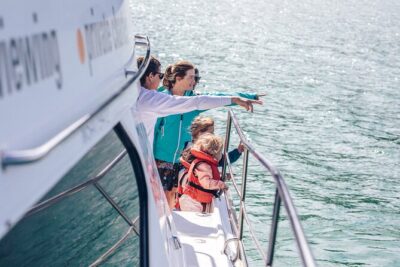
Akaroa Dolphins ~ Harbour Nature Cruise
Our review of this trip →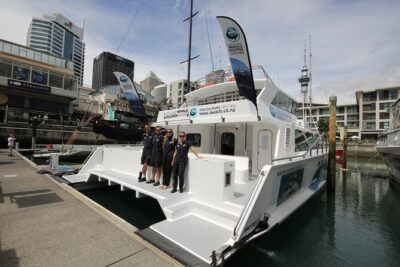
Auckland Dolphin and Whale Watching Eco-Safari Cruise
Our review of this trip →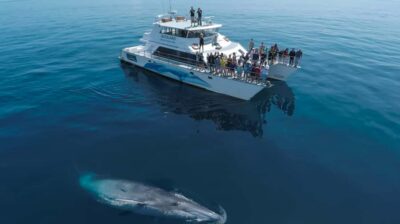
Whale and Dolphin Watching Half-Day Eco Cruise
Our review of this trip →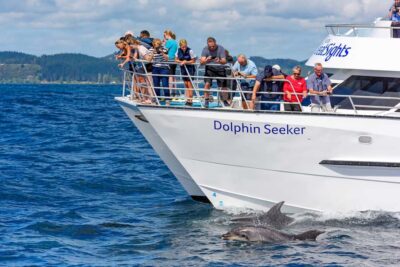
Paihia/Russell: Hole in the Rock, Dolphins & Island Cruise
Our review of this trip →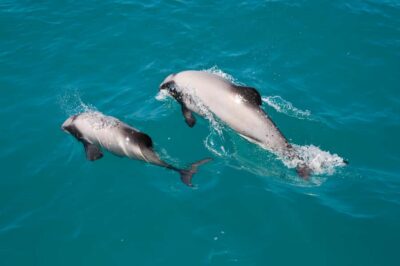
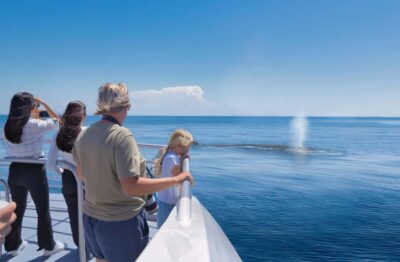
Tikapa Moana Whales, Dolphins and Islands Cruise
Our review of this trip →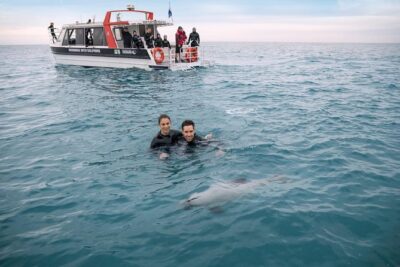
Akaroa Harbour 2-Hour Dolphin Nature Cruise
Our review of this trip →Browse the lists this tour appears in